
Car prices are rising throughout the United States, including American-made car brands. The United States recently announced plans for 25% tariffs on imported cars and parts. Add to that the pressure of supply chain disruptions, increased interest rates, and the potential for tariffs on imported vehicles and parts, it may be best looking into the used car market for your next vehicle.
Many drivers are turning to American-made models as a smarter financial choice for 2025. Although the full impact of tariffs remains uncertain, the trend suggests costs may climb further for imported vehicles.
Choosing an American-made car doesn’t just offer financial benefits; it also supports local jobs, reduces dependence on foreign manufacturing, and provides access to some of the most innovative electric, hybrid, and full-size vehicles available today. Brands like Tesla, Ford, Chevrolet, and Jeep continue to push boundaries in safety, performance, technology, and long-term value.
In this guide, we break down the best American made cars brands, their standout models, and what makes them worth considering in today’s changing market.
Key Takeaways
- American-made vehicles support U.S. jobs, strengthen the local economy, and reduce reliance on imports that may be affected by tariff changes.
- Popular U.S. brands include Tesla, Ford, Chevrolet, Jeep, GMC, Cadillac, and Rivian, all offering unique strengths across EVs, trucks, SUVs, and family vehicles.
- Buying domestic may help avoid long shipping delays, unpredictable import fees, and international supply chain disruptions.
- Many American-made cars offer excellent safety ratings, strong resale value, and advanced features including class-leading EV technology and driver assistance systems.
In This Guide:
- Why Choose an American Car?
- American Cars Brands
- How to Choose an American Car Brand
- USA Car Brand FAQ
Why Choose an American Car?
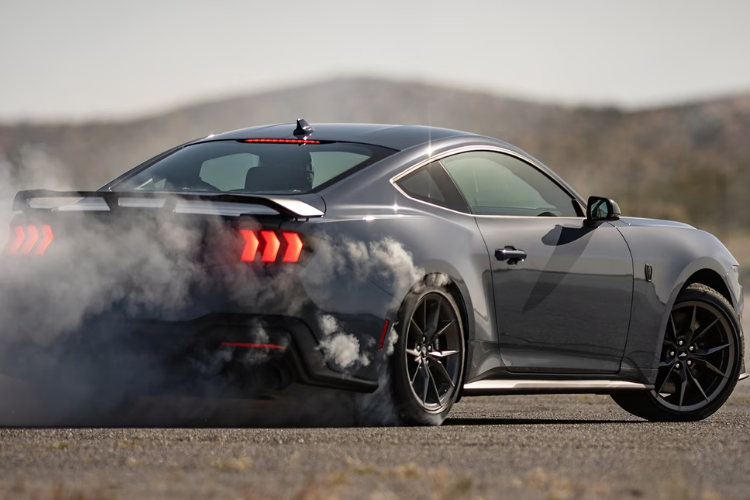
Buying American-made cars means supporting local jobs, innovation, and economic resilience. Vehicles produced in the U.S. often use more domestic parts, reducing the impact of global supply chain disruptions and potentially additional tariffs on those parts. Additionally, American automakers are pushing boundaries in electric vehicle (EV) tech, fuel efficiency, and safety standards.
Whether you’re looking for a reliable commuter, a family-friendly SUV, a hardworking pickup, or a performance EV, the American automotive industry offers something for every lifestyle and budget in 2025. Plus, with car prices rising, buying local can sometimes mean better deals, fewer import taxes, and faster delivery.
American Cars Brands
Here’s a closer look at the top American-made car brands in 2025 including their most popular models, pros and cons, and what makes each manufacturer stand out.
Tesla
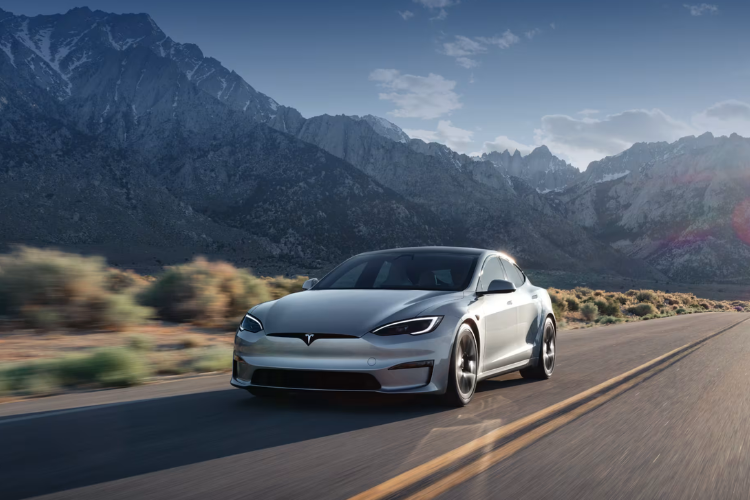
Tesla is based in Austin, Texas and continues to lead the EV market with smart design, groundbreaking tech, and a vision for a fully electric future. The brand has redefined performance and sustainability, with every model offering a class-leading mileage range and autonomous features.
The brand pushes industry standards in battery tech and autonomous driving, setting benchmarks for EV performance. As Tesla grows its charging network and service infrastructure, ownership is becoming increasingly convenient nationwide. Additionally, Tesla offers the ability to buy directly from the manufacturer.
Average Cost: $40,000–$100,000
Additional Info: Tesla ranked #1 in the 2023 Cars.com American-Made Index. Tesla continues to dominate the American-Made Index thanks to high domestic manufacturing content and U.S.-based gigafactories.
Key Features:
- Full self-driving software (beta)
- Over-the-air software updates
- Electric range exceeding 300–400 miles
- Large infotainment screens with advanced UI
Pros:
- High performance with instant torque
- Zero emissions, making it environmentally friendly
- Regular feature updates without dealership visits
Cons:
- Pricey upgrades and premium trims
- Customer service and repair wait times can vary
- Limited physical service locations in some regions
Ford
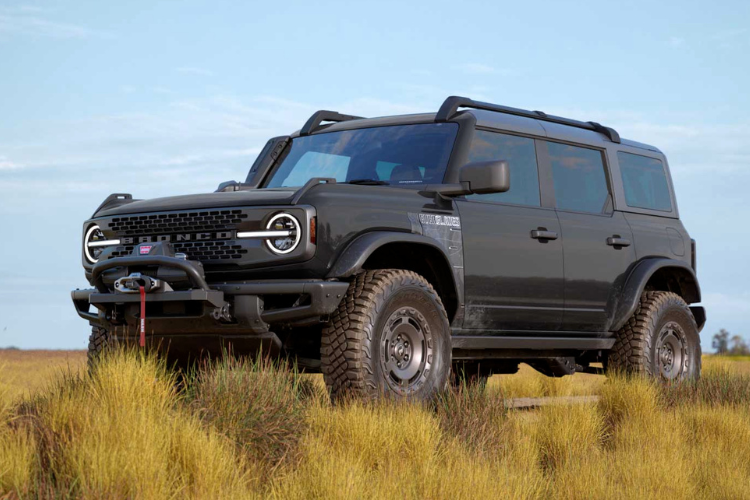
Ford is a historic powerhouse that blends American tradition with cutting-edge innovation. From best-selling trucks to efficient hybrids and exciting EVs like the Mustang Mach-E, Ford continues to evolve with the times. The company also manufactures many of its most popular models in America, supporting thousands of domestic jobs. Ford’s wide dealer network makes maintenance and repairs easier nationwide.
Average Cost: $28,000–$75,000
Additional Info: Ford continues to invest heavily in EV technology, with the F-150 Lightning becoming one of the most in-demand electric trucks in the U.S.
Key Features:
- EcoBoost turbocharged engines
- SYNC infotainment system with voice controls
- Expansive vehicle lineup, including hybrids and EVs
- Advanced safety features with Ford Co-Pilot360
Pros:
- Great overall value and reliability
- Top-rated trucks and accessible repair services
- Expansive dealer network across the U.S.
Cons:
- Some models lag in fuel efficiency
- Base trims can lack features
- Styling on some models can feel outdated
Chevrolet
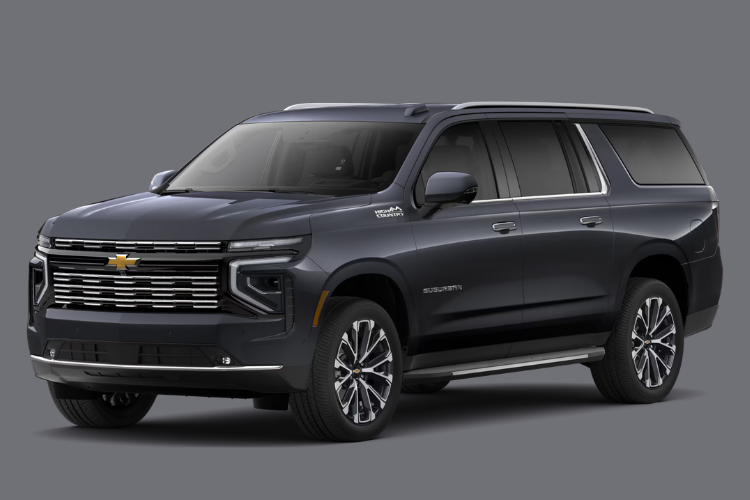
Chevy is synonymous with reliability and everyday utility. It delivers a broad range of options, from budget-friendly sedans to full-size SUVs and electric vehicles. It caters to families, commuters, and workers alike. Chevy’s consistent presence in American manufacturing helps keep production closer to home.
Average Cost: $25,000–$70,000
Additional Info: Chevrolet remains a top contender in trucks and SUVs thanks to long-standing reliability and competitive pricing. The brand is expanding its EV lineup, with models like the Silverado EV entering the market.
Key Features:
- Chevy Safety Assist across most new models
- User-friendly infotainment with Apple CarPlay & Android Auto
- EV options like the Bolt EV and EUV
- Wide network of service centers
Pros:
- Substantial resale value across SUVs and trucks
- Broad selection from compact to heavy-duty
- Affordable maintenance and repair
Cons:
- Some interiors feel less refined
- Lower innovation pace than premium brands
- EV models may have a limited range compared to competitors
Jeep
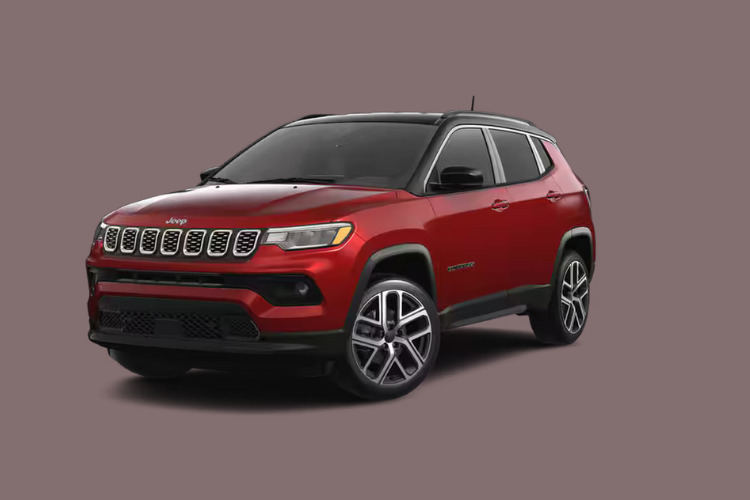
Jeep is the go-to brand for adventure seekers and off-road lovers. Its iconic styling and all-terrain capabilities make it one of the most recognizable American brands in the world. The brand maintains a loyal fan base thanks to its heritage, off-road credibility, and strong aftermarket support. Jeep continues to modernize with hybrid options like the Wrangler 4xe.
Average Cost: $30,000–$60,000
Additional Info: Jeep assembles many of its flagship models including the Wrangler and Gladiator in U.S. factories.
Key Features:
- 4×4 drivetrains with advanced traction management
- Trail Rated® performance certification
- Removable roofs/doors on models like the Jeep Wrangler
- Uconnect infotainment with off-road features
Pros:
- Perfect for outdoor adventures and rugged terrains
- Unique character and customizability
- Versatile lineup with urban and off-road appeal
Cons:
- Lower fuel economy across most models
- Ride comfort may be rougher on off-road models
- Repairs can be expensive over time
Dodge
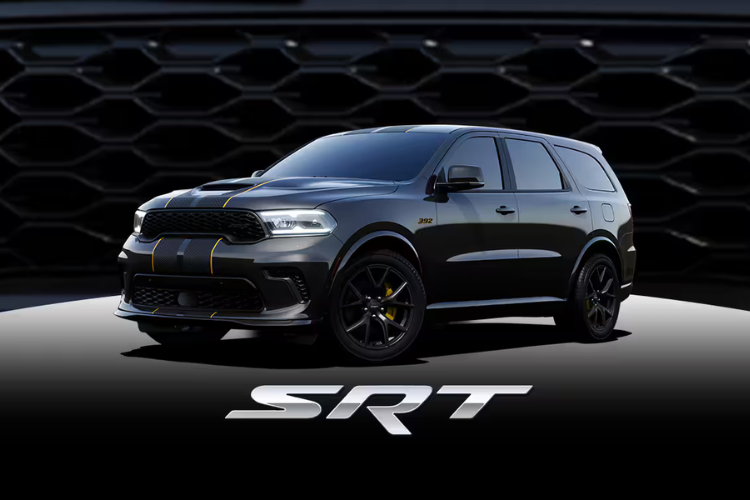
Dodge continues celebrating American muscle with iconic cars like the Charger and Challenger. These vehicles offer raw power, bold styling, and unmistakable engine roars that appeal to performance enthusiasts. The brand is transitioning toward electrified performance, with new models designed to blend traditional power with modern efficiency. Dodge’s strong enthusiast community and heritage keep demand high for both classic and new releases.
Average Cost: $35,000–$85,000
Additional Info: Dodge is doubling down on EV muscle in future models. It has maintained its muscle car legacy with bold styling and high-output engines, many of which are built in U.S. factories.
Key Features:
- High-output V8 HEMI engines
- Performance packages like SRT and Scat Pack
- Available all-wheel drive for select models
- Heritage-inspired design
Pros:
- Powerful acceleration and speed
- Distinctive retro styling and presence
- Great performance value for the price
Cons:
- Lower fuel efficiency and higher emissions
- Not always practical for families or commuters
- Upcoming shift to EVs may affect model availability
GMC
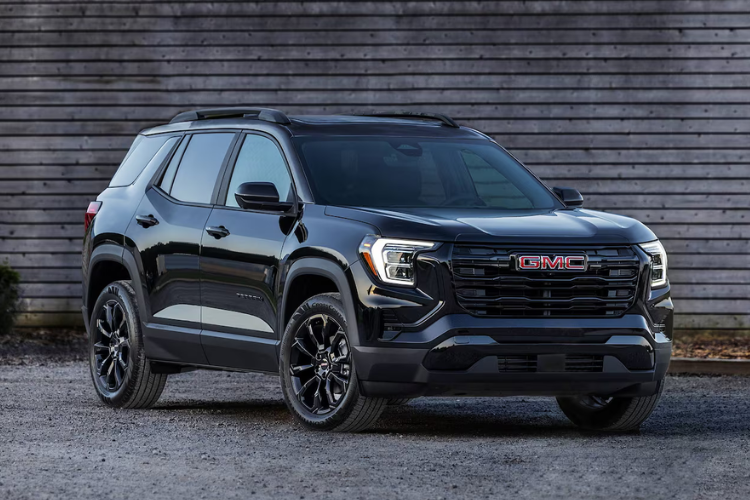
GMC combines premium touches with truck-level toughness. Whether you are towing a boat or driving in luxury, GMC trucks and SUVs deliver refinement and ruggedness in equal measure. Many of its trucks and SUVs are built in the U.S., supporting American manufacturing. The brand is also entering the EV space with the GMC Hummer EV.
Average Cost: $40,000–$90,000
Additional Info: GMC offers a refined upgrade over Chevrolet models with premium materials and unique features across the Denali and AT4 lines.
Key Features:
- Denali and AT4 luxury and off-road trims
- Advanced trailering tech and safety systems
- Large, upscale interiors with tech features
- Available MultiPro tailgate and air suspension
Pros:
- Strong towing and hauling capabilities
- Luxurious feel in higher trims
- Excellent blend of comfort and durability
Cons:
- More expensive than Chevrolet equivalents
- Fuel economy can be below average
- Optional features can drive prices up quickly
Buick
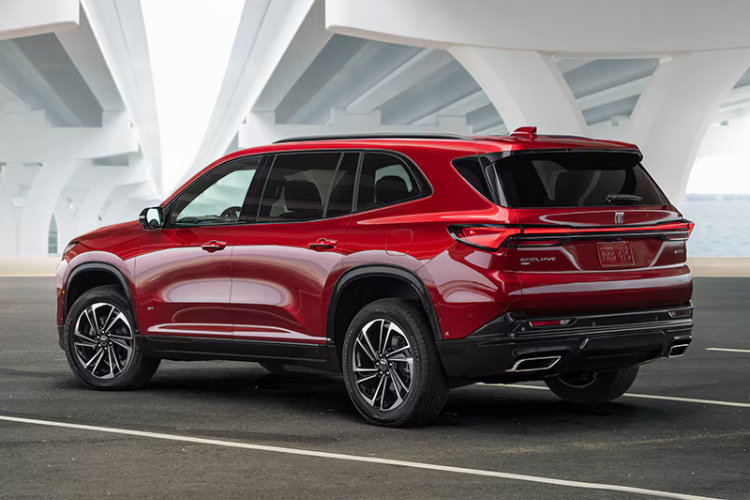
Once known for sedans, Buick has rebranded as a maker of premium yet affordable SUVs. The lineup offers quiet comfort, smooth handling, and great tech, especially for those seeking understated luxury. The brand focuses heavily on providing quiet cabins and comfort-first engineering. Buick continues to appeal to buyers wanting a luxury feel without the premium price tag.
Average Cost: $30,000–$55,000
Additional Info: Although Buick has global roots, its most popular SUVs for the U.S. market are assembled domestically. Moreover, Buick has shifted focus entirely to SUVs as of 2024.
Key Features:
- QuietTuning noise-reduction tech
- Standard driver-assist features like lane-keep assist.
- Elegant interiors with wireless charging and large touchscreens
- Compact and midsize SUV lineup
Pros:
- Affordable luxury without premium pricing
- Smooth and quiet ride quality
- Strong reliability and warranty coverage
Cons:
- Limited lineup after phasing out sedans
- Lacks sporty or performance-focused models
- Not as flashy as luxury competitors
Cadillac
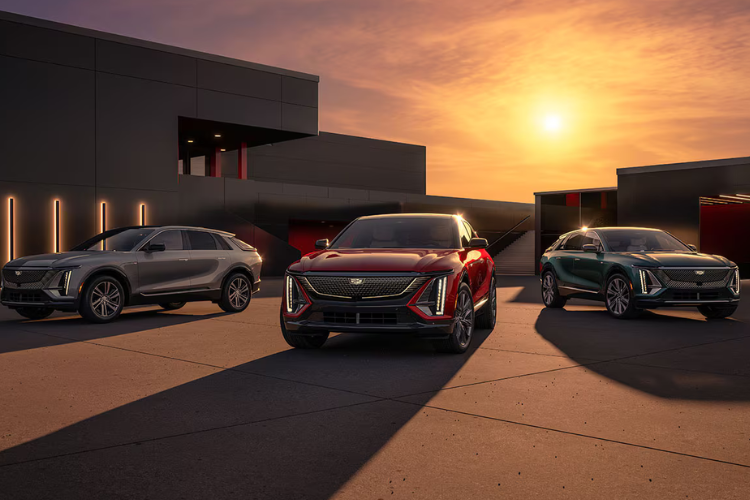
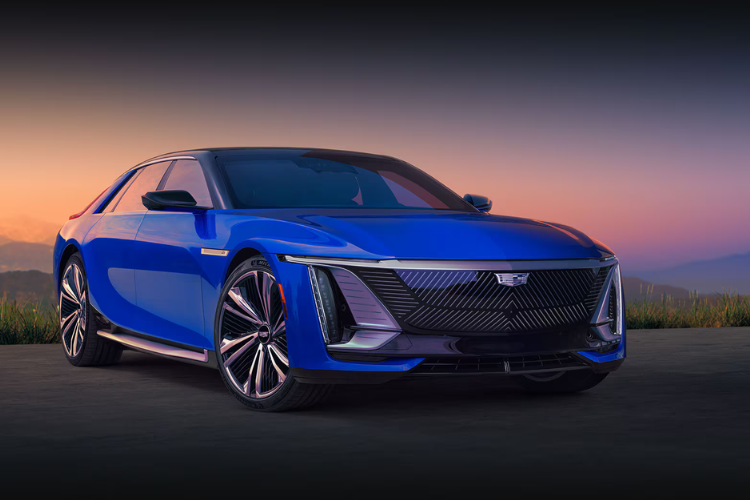
Cadillac is America’s premier luxury brand, known for bold styling and high-performance trims. The brand is investing significantly in EVs, with models like the Celestiq and Escalade IQ joining the lineup. Cadillac also offers some of the most advanced hands-free driving tech available today.
Average Cost: $45,000–$100,000
Additional Info: Cadillac assembles most of its premium sedans and SUVs in U.S.-based factories, contributing to American luxury automotive production.
Key Features:
- Super Cruise hands-free driver assistance
- Premium materials and acoustic insulation
- Strong V-series performance models
- Available electric models like the Lyriq
Pros:
- Striking design and luxurious interiors
- Advanced tech offerings
- Comfortable and refined highway driving
Cons:
- Expensive maintenance and ownership costs
- Some models lag behind German rivals in fit/finish
- Smaller lineup compared to previous years
Lincoln
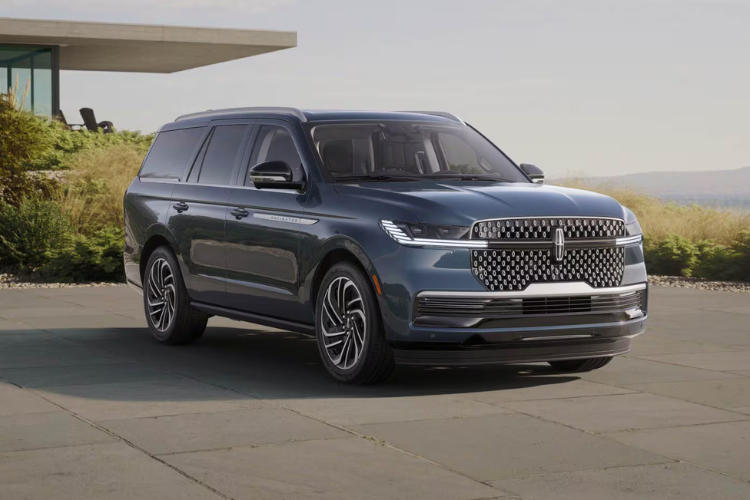
Lincoln builds many of its best-selling SUVs in the United States, supporting American workers and reducing dependency on imports. It delivers elegant design, quiet luxury, and a focus on the driving experience. From the spacious Aviator to the refined Nautilus, Lincoln offers a sanctuary on wheels.
Average Cost: $42,000–$85,000
Additional Info: The brand has fully embraced premium comfort as its identity, focusing on effortless driving and serene cabin experiences. Lincoln’s EV roadmap continues to expand as part of Ford’s larger electrification strategy.
Key Features:
- Lincoln Co-Pilot360 advanced safety suite
- Unique design cues like piano-key shifters
- Whisper-quiet cabins and smooth ride dynamics
- High customer satisfaction and loyalty
Pros:
- Plush interiors and a peaceful drive
- Excellent customer service experience
- Strong warranty and concierge ownership perks
Cons:
- Fewer models than other luxury brands
- Not as sporty or performance-driven
- Some models share platforms with Ford counterparts
Rivian
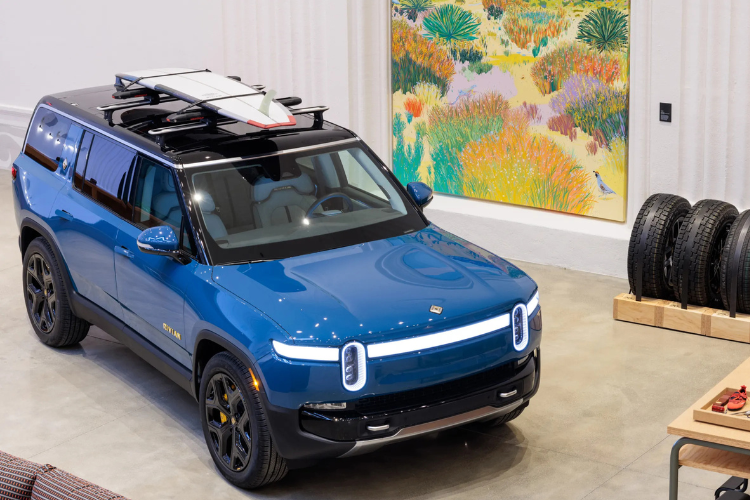
Rivian’s R1T is the first electric pickup to reach mass production in the U.S. Rivian manufactures its vehicles in Normal, Illinois, where it has revitalized a major American factory and expanded EV production capacity. The company focuses on sustainability, innovative storage solutions, and outdoor-focused engineering. With growing partnerships and infrastructure investments, Rivian is rapidly becoming a major player in the U.S. EV landscape.
Average Cost: $70,000–$90,000
Additional Info: Rivian is redefining adventure with its all-electric R1T pickup and R1S SUV. Built for the modern explorer, Rivian blends utility, technology, and sustainability into one futuristic package.
Key Features:
- Quad-motor all-wheel-drive for unmatched traction
- Built-in gear tunnel and camp kitchen options
- Adjustable air suspension with off-road modes
- OTA updates and adventure-centric UI
Pros:
- Innovative design and environmental focus
- Incredible off-road capability for an EV
- Rapidly expanding charging and service network
Cons:
- High upfront cost and limited availability
- The service network is still developing
- Not yet proven long-term reliability compared to legacy brands
How to Choose an American Car Brand
With so many great American-made options, how do you narrow it down? Here’s what to consider:
Purpose
Start by identifying the primary role your car will play in your daily life. Whether you are commuting long distances, navigating city streets, or hauling equipment for work, different brands excel in different areas. Consider how often you will use the car, the type of terrain you’ll drive, and your typical passenger or cargo needs.
Budget
Your budget determines not only your purchase price but also your long-term ownership costs. As you compare models, factor in expenses like insurance, fuel, EV charging, maintenance, and resale value. American-made brands often offer a wide price range, giving you more flexibility when choosing the right vehicle. For instance, American-made cars range from affordable sedans to luxury SUVs. Set a clear price range and factor in ownership costs like insurance, fuel, and maintenance.
Fuel Type
Choosing between gas, hybrid, or electric power matters more than ever. EV brands like Tesla and Rivian prioritize sustainability and long-term efficiency, while Ford and Chevrolet balance traditional engines with hybrid options. Think about your access to charging stations and whether lower emissions or long-range capability are priorities.
Resale Value
Some American brands, especially those producing trucks and SUVs, maintain excellent resale value. Researching expected depreciation can help you choose a model that delivers stronger long-term returns. Use resources like Kelley Blue Book or our best resale value cars guide. Cars with high resale value typically offer better long-term returns and reliability.
Dealer Network & Service
A strong service network means easier maintenance and faster repairs. Established brands like Ford, Chevy, and GMC offer widespread support, which is particularly beneficial for drivers living in rural or remote regions. EV-focused brands are expanding service options, but availability may vary.
Feature Priorities
Create a list of must-have features based on your lifestyle. Whether you need advanced towing capability, premium interior materials, off-road upgrades, or hands-free driving tech, each American brand shines in specific areas. This helps narrow down your options and ensures you’re getting value where it matters most.
Pro tip: Whether you buy new or used, ensure your vehicle gets home safely. Sherpa Auto Transport offers white-glove car shipping services across the U.S. Their door-to-door service ensures your new ride arrives in pristine condition, no matter where it’s coming from.
USA Car Brand FAQ
What is the USA's top car name?
Ford remains the most recognizable American car brand, mainly thanks to the F-Series truck lineup.
What luxury cars are made in the USA?
Cadillac, Lincoln, and Tesla all manufacture high-end models domestically.
What is the most American car brand?
Tesla leads in American-made content and production, followed closely by Ford and GM brands.
What cars are final assembled in the U.S.?
Many models across brands including Tesla, Ford, Chevrolet, Jeep, Honda, Toyota, BMW, Mercedes-Benz, and more have final assembly plants located in the United States. However, the level of “American-made” varies by model.
Is Dodge no longer American?
Dodge is still considered an American brand, but it is owned by Stellantis, a global automotive group formed through the merger of Fiat Chrysler Automobiles and PSA Group. The brand’s identity, heritage, and engineering roots remain very much American.