Electric vehicles are no longer a niche choice; they’re quickly becoming the new normal. Many drivers are actively looking for alternatives that offer long-term savings with gas prices remaining volatile, often averaging above $3.50 per gallon in the U.S. in recent years. According to the U.S. Energy Information Administration, fuel price fluctuations continue to impact household budgets, pushing consumers toward more efficient transportation options.
At the same time, EV adoption is accelerating. The International Energy Agency reports that global electric vehicle sales have surged past 14 million annually, with continued growth expected as automakers expand their electric lineups. With better range, improved charging infrastructure, and more competitive pricing, 2026 brings some of the best electric cars yet.
Key Takeaways
- Electric vehicles can significantly reduce fuel and maintenance costs over time.
- The best EVs in 2026 offer longer range and faster charging than earlier models.
- There are strong options available across all budgets and vehicle types.
- Incentives like federal tax credits can help lower upfront costs.
In This Guide:
Best EVs
Choosing an electric vehicle means balancing range, performance, price, and everyday practicality. Whether you’re upgrading from a gas-powered car or exploring greener options, today’s EVs offer something for nearly every driver from compact sedans to spacious family SUVs.
Tesla Model Y
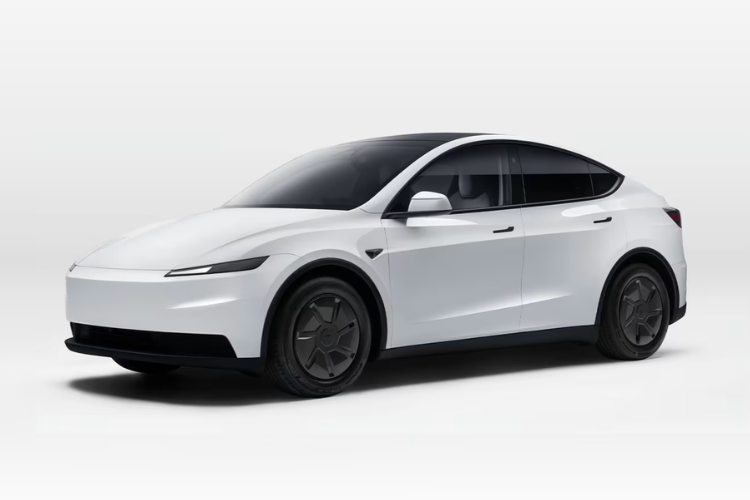
The Tesla Model Y remains one of the most popular electric SUVs thanks to its strong range, advanced technology, and everyday practicality. It delivers a smooth driving experience while offering access to Tesla’s expansive Supercharger network, making long-distance travel easier. Its minimalist interior and over-the-air updates keep it feeling modern and future-ready.
Key Features:
- Offers an EPA-estimated range of up to 330 miles, making it ideal for long trips.
- Includes advanced driver-assistance features like Autopilot for highway driving.
- Receives regular over-the-air updates that improve performance and features.
Pros:
- Delivers excellent range compared to most competitors in its class.
- Provides access to one of the most reliable charging networks in the U.S.
- Maintains strong resale value over time.
Cons:
- Interior design may feel too minimal for some drivers.
- Build quality can vary depending on production batch.
Average Cost: $45,000–$55,000
Additional Information:
This model consistently ranks among top EVs due to its efficiency and strong brand ecosystem. Buyers often compare it with alternatives to evaluate design, pricing, and driving experience. It’s also a frequent choice for long-distance drivers due to charging convenience.
Ford Mustang Mach-E
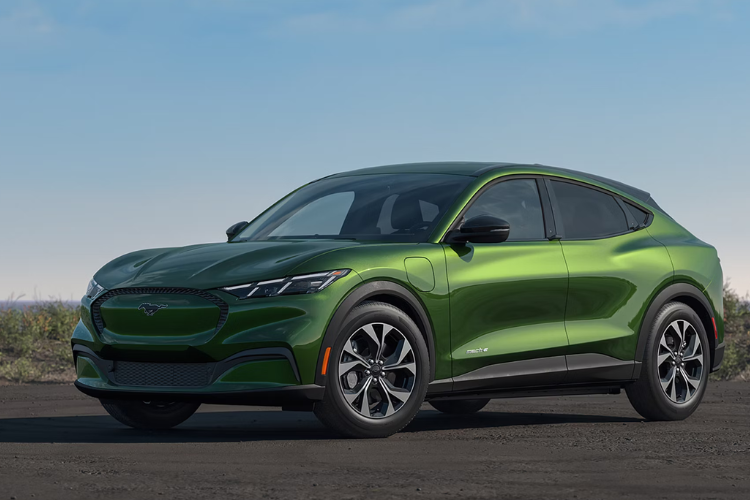
The Ford Mustang Mach-E blends sporty performance with SUV practicality, making it a standout in the EV market. It offers multiple trims, including performance-focused versions, while still maintaining everyday usability. Its bold styling and engaging driving dynamics appeal to drivers who want excitement without sacrificing efficiency.
Key Features:
- Comes in multiple trims, including a high-performance GT version.
- Provides up to 310 miles of range depending on configuration.
- Features a large touchscreen infotainment system with modern connectivity.
Pros:
- Offers a fun and responsive driving experience.
- Stands out with its bold and modern design.
- Provides a good balance between performance and range.
Cons:
- Charging speeds are not as fast as some newer EV competitors.
- Cargo space is slightly limited compared to larger SUVs.
Average Cost: $43,000–$60,000
Additional Information:
The Mach-E has received strong reviews for blending performance with practicality. Independent platforms like Edmunds and Car and Driver highlight its driving dynamics and styling. It’s a solid choice for drivers transitioning from performance gas vehicles.
Hyundai IONIQ 6
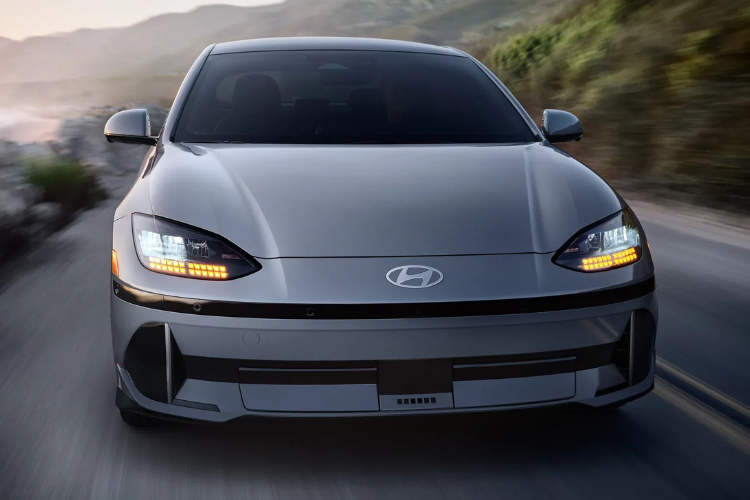
The Hyundai IONIQ 6 is a smart electric sedan designed for efficiency and comfort. Its aerodynamic shape helps maximize range, making it one of the most efficient EVs available. The fast charging capabilities and a smooth ride makes it an excellent choice for daily commuters and long-distance drivers alike.
Key Features:
- Achieves an EPA-estimated range of up to 360 miles on select trims.
- Supports ultra-fast charging that can recharge quickly on compatible stations.
- Features a streamlined design that improves energy efficiency.
Pros:
- Delivers exceptional range for a sedan in its price range.
- Provides a quiet and comfortable driving experience.
- Offers competitive pricing compared to similar EVs.
Cons:
- Rear headroom may feel limited for taller passengers.
- Trunk space is smaller than some competing models.
Average Cost: $40,000–$50,000
Additional Information:
The IONIQ 6 stands out for its efficiency-focused engineering and long-range capability. Data from the U.S. Department of Energy shows it ranks among the most efficient EVs available. It’s particularly appealing for commuters who want fewer charging stops.
Chevrolet Equinox EV
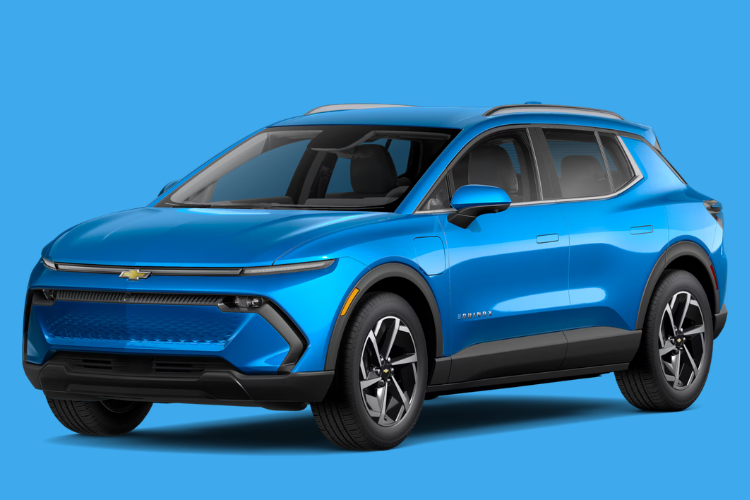
The Chevrolet Equinox EV is designed to make electric driving more accessible with its affordable price and practical design. It offers a spacious interior and solid driving range, making it a strong option for families or first-time EV buyers. Its modern technology and approachable pricing help bridge the gap between gas and electric vehicles.
Key Features:
- Offers an estimated range of over 300 miles on a full charge.
- Designed with affordability in mind for a wide range of buyers.
- Includes modern infotainment and driver-assistance technologies.
Pros:
- Provides one of the most affordable entry points into EV ownership.
- Offers a roomy interior suitable for families.
- Delivers a competitive range for its price.
Cons:
- Availability may be limited during initial release phases.
- Lacks some premium features found in higher-end EVs.
Average Cost: Starting around $35,000
Additional Information:
This EV is a strong contender for budget-conscious buyers entering the electric market. It aligns well with models featured in affordable SUVs, offering value without sacrificing practicality. As production scales, availability and features are expected to improve further.
Rivian R1S
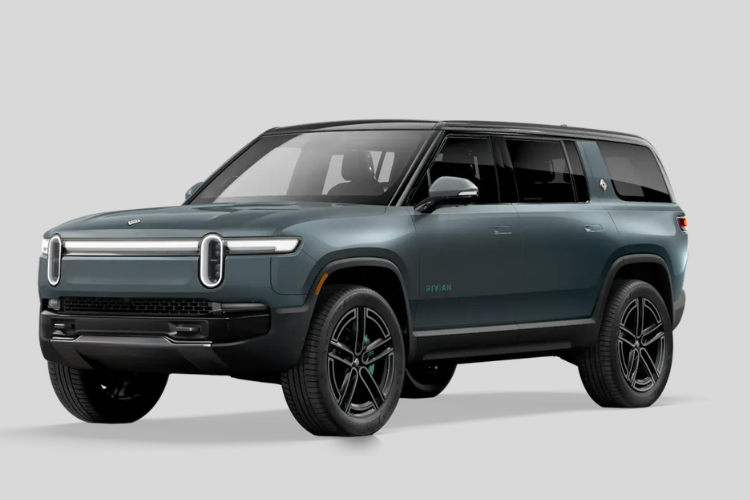
The Rivian R1S is a premium electric SUV built for adventure and off-road capability. It combines rugged performance with a refined interior, making it ideal for drivers who want both luxury and utility. Its powerful drivetrain and innovative features set it apart in the EV market.
Key Features:
- Features a quad-motor system that delivers excellent off-road capability.
- Provides over 300 miles of driving range depending on configuration.
- Includes advanced terrain management systems for different environments.
Pros:
- Excels in off-road and rugged driving conditions.
- Offers a unique and high-end design inside and out.
- Provides strong towing capacity for an electric SUV.
Cons:
- Comes with a high price tag compared to most EVs.
- The service network is still expanding.
Average Cost: $75,000–$90,000
Additional Information:
The R1S is frequently praised for redefining what electric SUVs can do off-road. Publications like MotorTrend highlight its performance and innovation. It’s best suited for drivers who prioritize capability over cost.
Kia EV9
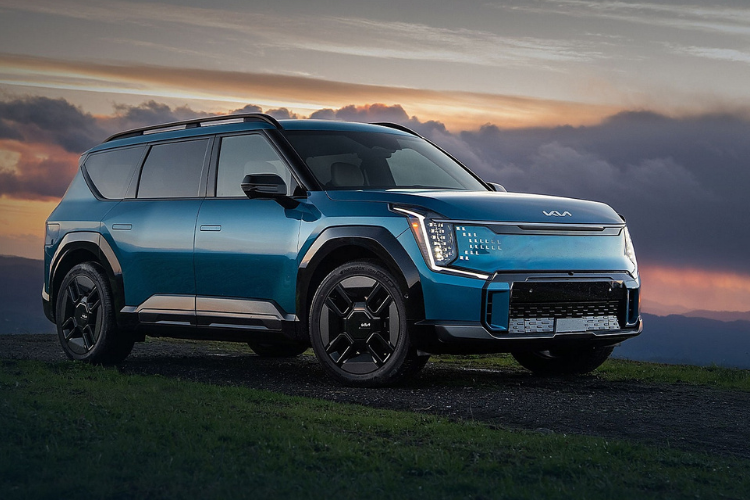
The Kia EV9 is a three-row electric SUV designed for families who need space without sacrificing efficiency. It offers modern styling, advanced safety features, and a comfortable cabin for long trips. It stands out as a practical and forward-thinking option with growing demand for electric family vehicles
Key Features:
- Offers seating for up to seven passengers comfortably.
- Includes fast-charging capability for quicker road trips.
- Equipped with advanced safety and driver-assistance systems.
Pros:
- Provides ample space for families and cargo.
- Features a modern and attractive design.
- Offers good value for a large electric SUV.
Cons:
- Larger sizes may be difficult to maneuver in tight spaces.
- Range is slightly lower than smaller EVs.
Average Cost: $55,000–$70,000
Additional Information:
The EV9 is gaining attention as one of the first mainstream electric three-row SUVs. Experts at Kelley Blue Book note its strong value in the family EV segment. It’s ideal for households transitioning from large gas SUVs.
BMW i4
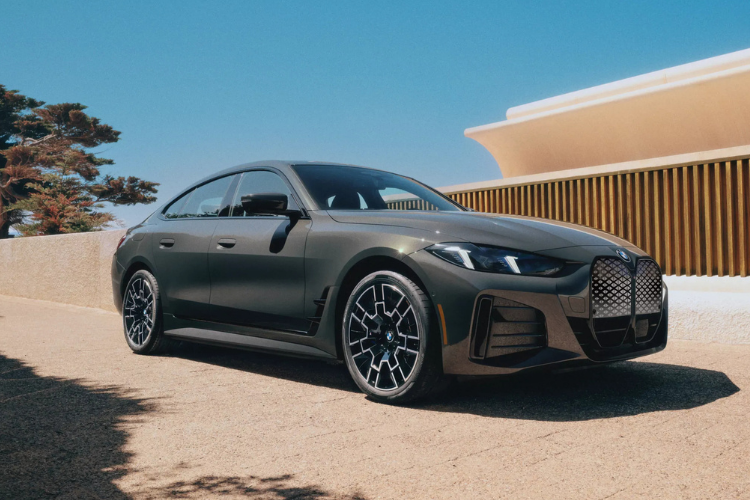
The BMW i4 delivers a luxury driving experience with the performance you would expect from the brand. It combines sporty handling with a refined interior, making it a great option for drivers transitioning from traditional luxury sedans. Its balance of comfort and power makes it one of the best EVs in its class.
Key Features:
- Offers quick acceleration with performance-focused variants.
- Includes a premium interior with high-quality materials.
- Comes with advanced driver assistance and infotainment systems.
Pros:
- Provides engaging and sporty driving dynamics.
- Features a high-end and comfortable interior.
- Maintains strong brand reputation for quality.
Cons:
- Higher starting price than many competitors.
- Rear seating space is somewhat limited.
Average Cost: $52,000–$65,000
Additional Information:
The i4 appeals to drivers who want a familiar luxury feel in an electric format. Reviews from Consumer Reports emphasize its comfort and performance balance. It’s a natural upgrade for BMW sedan owners.
Nissan Ariya
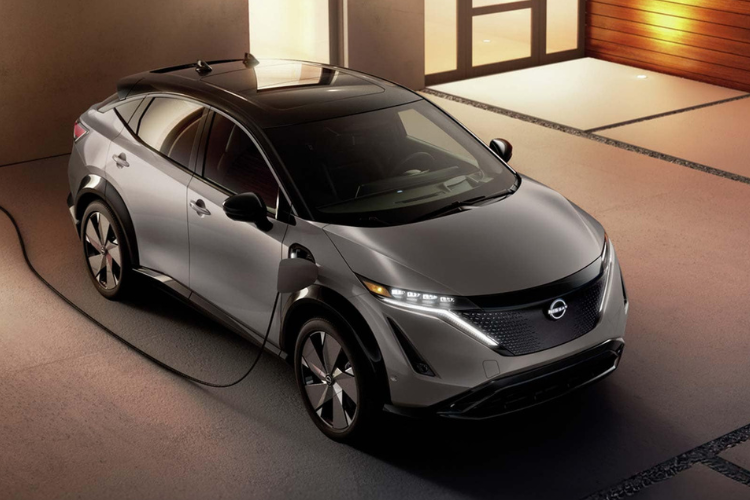
The Nissan Ariya is a well-rounded electric crossover that emphasizes comfort and usability. It offers a smooth ride, intuitive technology, and a stylish interior that feels more premium than its price suggests. It’s a practical choice for everyday driving and long commutes.
Key Features:
- Offers dual-motor all-wheel-drive options for improved traction.
- Provides up to 300 miles of range depending on trim.
- Features a user-friendly infotainment system.
Pros:
- Delivers a comfortable and quiet driving experience.
- Offers a stylish and modern interior design.
- Provides solid value for its price point.
Cons:
- Charging speed is slower than some competitors.
- Lacks the sporty feel of performance-focused EVs.
Average Cost: $40,000–$55,000
Additional Information:
The Ariya is known for its balanced approach to comfort and usability. Insights from J.D. Power highlight its appeal among everyday drivers. It’s a dependable option for those prioritizing ease of use.
How to Choose an Affordable EV
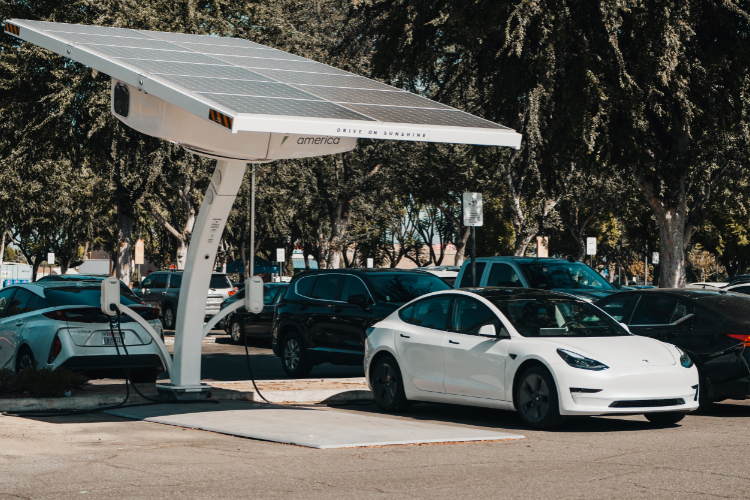
Choosing the right EV starts with understanding your driving habits. If you commute long distances, prioritize models with higher range and fast-charging capabilities. For city driving, a smaller battery may be sufficient, helping reduce upfront costs.
It’s also important to consider total ownership cost. EVs typically require less maintenance and eliminate fuel expenses, which can make them more economical over time. Tools like Kelley Blue Book pricing can help you evaluate fair market value, while researching best resale value cars ensures your investment holds up long-term. Also, federal tax credits and state rebates can significantly lower the cost, making many EVs competitive with models listed among the best affordable cars.
Bottom Line
The best electric vehicles of 2026 highlight how far EV technology has come. With better range, improved affordability, and more options than ever, there’s truly something for every type of driver from budget-conscious buyers to luxury enthusiasts.
Once you have chosen the right EV, getting it delivered safely is just as important. Sherpa Auto Transport stands out with its Price Lock Promise®, highly rated customer service, and transparent pricing. Whether you’re purchasing from another state or relocating, Sherpa ensures your vehicle arrives securely and without surprises.
Electric Vehicle FAQ
What is currently the best electric vehicle?
The Tesla Model Y is widely considered the best overall EV due to its range, technology, and strong resale value.
Which EVs are eligible for a $7500 tax credit?
Eligibility depends on battery sourcing and assembly requirements, but many models from Tesla, Ford, and Chevrolet may qualify.
What brand of EV lasts the longest?
Brands like Tesla and Hyundai are known for producing EVs with long-lasting battery performance and durability.
Is it cheaper to own an EV than a gas car?
Yes, EVs are generally cheaper to own over time due to lower fuel and maintenance costs, despite higher upfront prices.