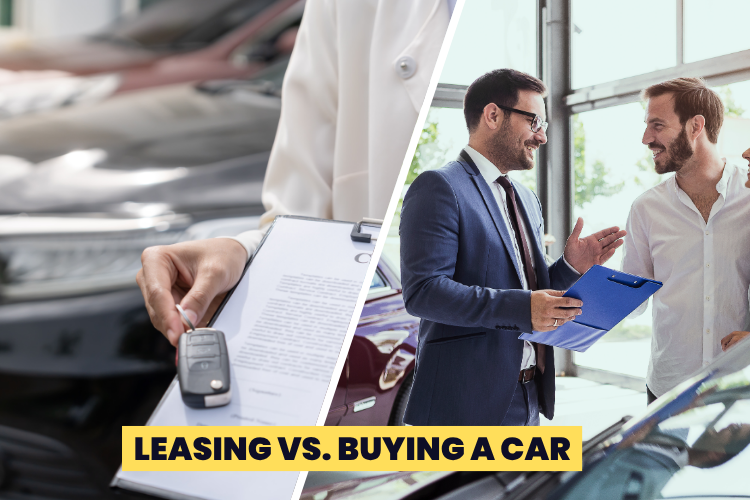
Deciding between leasing and buying a car isn’t always straightforward, especially in today’s market. The average new vehicle prices are hovering near $49,000, forcing many drivers to explore alternatives to traditional ownership.
Simultaneously, higher interest rates have made financing more expensive, increasing monthly loan payments and making leasing a more attractive option for those looking to manage short-term costs. Even insurance, maintenance, and depreciation trends are influencing how people evaluate their options.
These shifting market conditions have made the decision less about what’s traditionally “better” and more about what works for your specific situation. In reality, leasing a car compared to buying comes down to your priorities.
Some drivers value lower monthly payments, predictable expenses, and the ability to upgrade every few years, while others prefer long-term ownership, no mileage limits, and the ability to build equity over time. Understanding how each option works, and how it aligns with your lifestyle, driving habits, and financial goals will help you make a confident and informed choice.
Key Takeaways
- You pay less each month since you’re only covering depreciation so you won’t own the car and will need to return or replace it after the lease ends.
- Higher monthly payments lead to ownership of the vehicle, once the loan is paid off, you have no payments and an asset you can sell or keep.
- Most leases limit how much you can drive each year, as extra miles or damage can lead to additional fees when returning the car.
- Leasing works better for short-term use and lower mileage whereas buying is more practical for long-term ownership and frequent driving.
In This Guide:
- What is a Car Lease?
- How to Lease a Car?
- Car Leasing Pros
- Car Leasing Cons
- When Buying a Car Makes Sense
- Bottom Line
- Buying vs. Leasing a Car FAQ
What is a Car Lease?

A car lease is a type of agreement that lets you drive a new vehicle for a set period, usually two to three years, while making monthly payments based on its depreciation rather than its full purchase price. Instead of building ownership, you’re paying for the portion of the car’s value you use during the lease term.
According to Consumer Reports, key factors that influence lease payments include the vehicle’s depreciation, its residual value at the end of the lease, and the negotiated price. To simplify your search, browsing the best used car sites can help you compare listings, prices, and dealer reviews in one place.
How to Lease a Car?

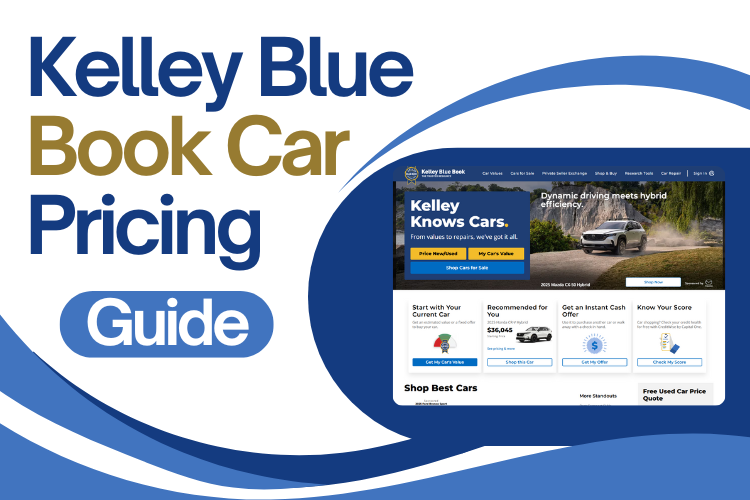
Leasing follows a process that is similar to buying, but with a stronger focus on terms rather than ownership. First, you’ll choose a vehicle and research its value. Using tools like Sherpa’s guide to Kelley Blue Book pricing can help you understand whether you’re getting a fair deal before negotiating.
Next, you’ll agree on key lease terms, including the monthly payment, lease length, and mileage allowance. Experian notes that most leases run around 36 months with mileage caps between 10,000 and 15,000 miles annually.
Before signing, carefully review the agreement. Take note of factors including fees for excess mileage, early termination, or vehicle wear that can add up if you’re not prepared. For buyers who are looking for lower prices, car auction sites can offer competitive deals, though they may require more research and caution
Car Leasing Pros

Leasing can be appealing for drivers who prioritize affordability and convenience.
Here are some of the main benefits:
- Lower monthly payments: Lease payments are typically lower because you’re only paying for the vehicle’s depreciation over the lease term, not its full value.
- Access to newer vehicles with updated features: Leasing allows you to upgrade regularly, so you can enjoy the latest technology, safety features, and improved fuel efficiency.
- Reduced repair costs: Since leases usually last only a few years, the vehicle is often covered by the manufacturer’s warranty, minimizing unexpected repair expenses.
- Lower upfront costs: Leasing often requires a smaller down payment compared to buying, making it easier to get into a newer car without a large initial expense.
- No need to resell the vehicle: At the end of the lease, you can simply return the car without dealing with depreciation, trade-ins, or the hassle of selling it yourself.
Car Leasing Cons
Leasing isn’t the right choice for every driver, especially if you value ownership and long-term savings.
Here are some potential downsides to consider before committing to a lease:
- No ownership or equity: Lease payments don’t contribute toward owning the vehicle, so you won’t have an asset or trade-in value once the term is over.
- Mileage restrictions: Most leases set annual mileage limits, and exceeding them can result in costly per-mile penalties.
- Potential extra charges: Returning the car with damage beyond normal use may lead to additional fees at the end of the lease.
- Limited flexibility for customization: You typically can’t modify a leased vehicle, and you must return it at the end of the agreement unless you choose to buy it.
- Higher total cost over time: While payments are lower short-term, leasing multiple vehicles back-to-back can cost more than buying and keeping a car long-term.
When Buying a Car Makes Sense
For many drivers, buying a car offers better long-term value. While monthly payments are typically higher, you eventually own the vehicle outright, which eliminates ongoing costs and gives you an asset you can sell or trade. Buying is especially practical if you plan to keep your car for several years or drive long distances. It also gives you the freedom to modify your vehicle without restrictions.
AAA’s Driving Costs study highlights that long-term ownership often becomes more economical once a loan is paid off, as ongoing costs drop significantly. For drivers who are looking to save money upfront, starting with the most reliable used car brands can help you find vehicles that hold value and require fewer repairs over time.
Bottom Line
There’s no single answer to whether leasing or buying is better. Leasing a car versus buying depends on how you use your vehicle, your budget, and how often you like to upgrade. Leasing works well for short-term flexibility and lower payments, while buying is typically the better choice for long-term savings and ownership.
Once you’ve made your decision, getting your vehicle where it needs to go is just as important. Sherpa Auto Transport makes that process simple, whether you’re moving, buying from another state, or relocating. With thousands of verified reviews, a Price Lock Promise that eliminates surprise costs, and dedicated customer support, Sherpa delivers a reliable and stress-free shipping experience.
Buying vs. Leasing a Car FAQ
Should I buy my leased car?
It can make sense if the purchase price is lower than the current market value and the car meets your needs.
Do you own the car after making lease payments?
No, lease payments only cover usage, you don’t own the vehicle unless you choose to buy it.
Can you negotiate the price of a leased car?
Yes, the vehicle price and lease terms can often be negotiated, which affects your monthly payment. Factors like fees, mileage limits, and interest rates may also be negotiable depending on the dealer.
References
- Cox Automotive – Kelley Blue Book Report: New-Vehicle Price Gains Accelerate in February as Transaction Prices Increase 3.4% Year Over Year
- Consumer Reports – Buying or Leasing a Car in 2026: Which Makes the Best Financial Sense for You?
- Experian – How Does Leasing a Car Work?
- Edmunds – Leasing vs. Buying a Car: Which is Better for You?
- AAA – Your Driving Costs Study