

A clean car does more than turn heads, it helps protect your investment and keeps your vehicle feeling new for years. Proper car detailing goes far beyond a quick rinse at the local car wash. It involves deep cleaning, restoring, and protecting your vehicle inside and out. According to Fortune Business Insights, the global car detailing service market was valued at approximately $38.93 billion in 2025 and is expected to grow steadily to nearly $63 billion by 2034.
This growth reflects increasing awareness among drivers about the benefits of detailing, which involves thorough cleaning and restoration beyond a standard car wash. Unlike routine washing, car detailing includes both interior and exterior treatments that rely on hands-on techniques to remove built-up dirt, restore surfaces, and help vehicles maintain a like-new appearance.
Many drivers are turning to at-home car detailing as a cost-effective way to maintain their vehicles. Whether you’re preparing to sell, trade in, transport, or simply refresh your ride, learning how to detail your own car gives you full control over your vehicle’s care while helping it maintain long-term value.
Key Takeaways
- Car detailing provides deep cleaning and protective treatment beyond a standard car wash.
- Detailing at home can preserve your vehicle’s paint, upholstery, and overall value.
- The process involves carefully cleaning interior and exterior components step by step.
- A properly detailed car can attract buyers and strengthen resale or trade-in value.
In This Guide:
What is Car Detailing
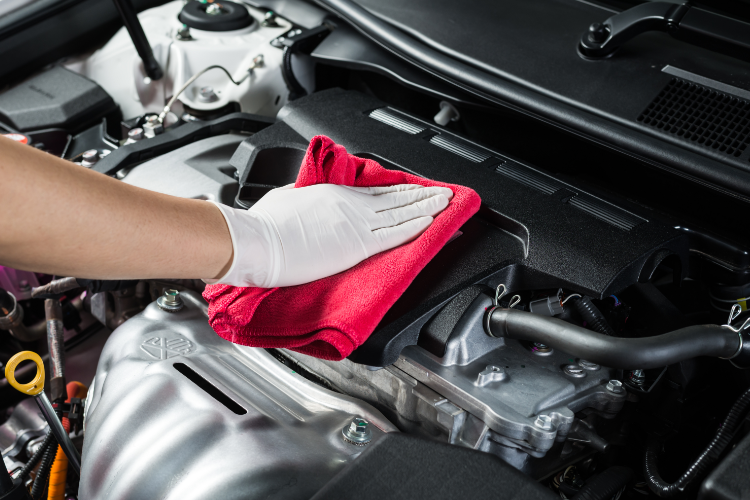
Car detailing is the careful cleaning, restoration, and protection of a vehicle’s interior and exterior surfaces. Unlike a basic wash, detailing focuses on eliminating built-up contaminants, restoring faded finishes, and protecting materials from future damage. Since condition plays a major role in pricing, maintaining a detailed vehicle can help owners better understand its true market worth before deciding on next steps.
Professional detailers often include polishing, waxing, upholstery cleaning, and conditioning treatments as part of the process. Kelley Blue Book notes that maintaining a vehicle’s physical condition can significantly influence its resale value and buyer perception.
Dirt, road salt, and environmental pollutants can slowly damage paint and interior materials, which makes regular detailing an important part of overall vehicle maintenance. This becomes especially valuable when preparing for ownership changes. A well-maintained and detailed car often performs better when evaluating pricing or attracting serious buyers.
Car Detailing Step by Step
Detailing your vehicle at home is easier when you approach it in organized stages. Following these steps carefully can help you achieve professional-looking results without specialized training.
Determine Which Supplies are Needed
Starting with the right tools can make or break your detailing results. Automotive-specific products are designed to clean delicate surfaces safely while protecting finishes. The International Carwash Association stresses on using high-quality, purpose-built products as they help ensure better cleaning results while protecting delicate vehicle surfaces. Rather than relying on generic household cleaners, selecting automotive-specific tools and products allows you to target stubborn dirt, protect finishes, and work more efficiently, helping you achieve longer-lasting and more noticeable results.
Recommended supplies include:
- Microfiber towels and wash mitts
- Car shampoo (not household soap)
- Interior cleaner or all-purpose automotive cleaner
- Vacuum with detailing attachments
- Tire cleaner and tire brush
- Glass cleaner
- Upholstery shampoo or fabric cleaner
- Car wax or paint sealant
- Soft detailing brushes
- Buckets with grit guards
Having everything prepared beforehand helps keep the process smooth and prevents contamination between cleaning stages.
Empty and Dust Interior
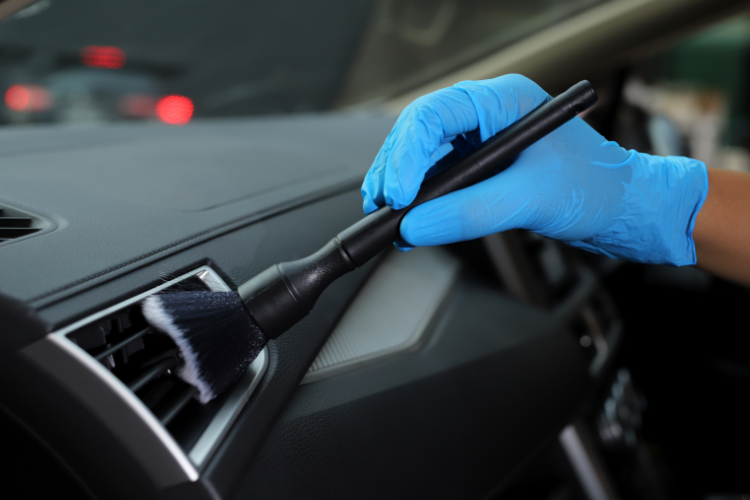
Before diving into deep cleaning, clearing out and dusting your car’s interior lays the foundation for successful detailing. Over time, vehicles naturally collect clutter, loose dirt, crumbs, and dust that settle into small spaces like vents, cup holders, and seat creases.
Removing these items first allows you to fully access every surface and prevents debris from spreading during the cleaning process. Taking a few extra minutes to thoroughly empty and dust the interior makes later steps like vacuuming and surface cleaning far more effective and helps create a fresh, organized space.
Steps to follow:
- Remove personal items, trash, and floor mats
- Take out child seats if possible
- Dust dashboards, vents, and cup holders
- Use a soft brush or microfiber cloth to remove debris from small spaces
- Shake out floor mats before cleaning
Completing this step ensures your interior is ready for deeper cleaning and detailing treatments. By removing loose debris and surface dust early in the process, you reduce the risk of scratching interior materials and improve overall cleaning results. A clutter-free and dust-free cabin not only enhances your vehicle’s appearance but also creates a more comfortable driving environment, making the remaining detailing steps smoother and more efficient.
Vacuum Interior and Trunk
Vacuuming is one of the most important parts of interior detailing because it removes embedded dirt that contributes to long-term wear. Pay close attention to seat seams, floor carpeting, and the areas beneath seats where debris often accumulates. Don’t forget to vacuum door storage pockets and the trunk or cargo area.
Focus on:
- Seats and seat creases
- Carpets and floor mats
- Under seats
- Door pockets and storage compartments
- Trunk or cargo area
Car and Driver recommends routine vacuuming because trapped dirt can slowly damage upholstery fibers and create persistent odors. Using narrow attachments allows you to reach tight spaces and produce a noticeably cleaner interior.
Wipe Hard Interior Surfaces
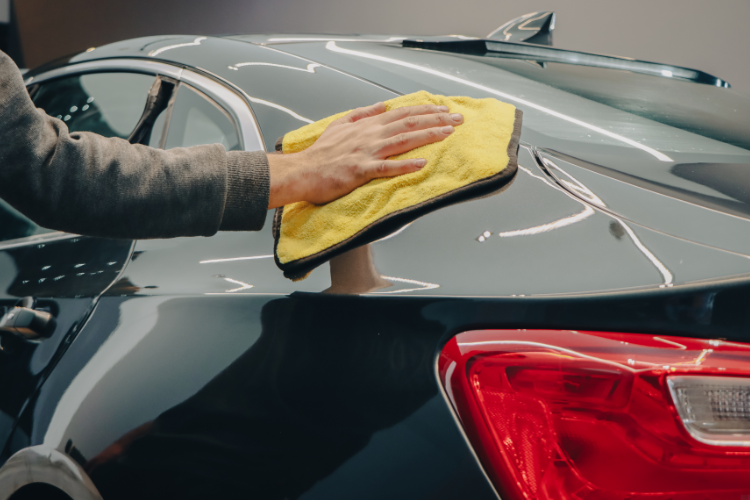
Hard interior surfaces collect oils from hands, dust, and bacteria over time. Cleaning these areas not only improves appearance but also helps preserve materials.
Clean these areas carefully:
- Dashboard and center console
- Steering wheel and gear shifter
- Door panels and handles
- Infotainment screens (use screen-safe cleaners)
- Air vents and trim pieces
Use microfiber towels to avoid scratching delicate surfaces. Infotainment screens require special attention and should be cleaned using products designed specifically for electronics. Leather components benefit from a gentle leather cleaner followed by conditioner to prevent drying or cracking, helping extend the life of the material.
Shampoo Car Seats
Car seats often experience the most wear and tear inside a vehicle, absorbing spills, dirt, body oils, and odors over time. Even with regular vacuuming, contaminants can settle deep into fabric or leather surfaces, making seats look worn and less hygienic. Shampooing your car seats is an essential step in at-home detailing because it removes embedded stains and refreshes materials, helping restore both appearance and comfort inside your vehicle.
Follow these steps:
- Vacuum seats thoroughly first
- Apply upholstery shampoo or leather cleaner depending on material
- Use a soft brush to gently lift stains
- Wipe or extract residue using a damp microfiber towel
- Allow seats to fully dry before driving
Once your seats have been properly shampooed and dried, you will notice a cleaner, fresher interior that feels significantly more comfortable. According to the Environmental Protection Agency, removing trapped contaminants from upholstery can improve interior air quality and reduce allergens.
Clean Tires
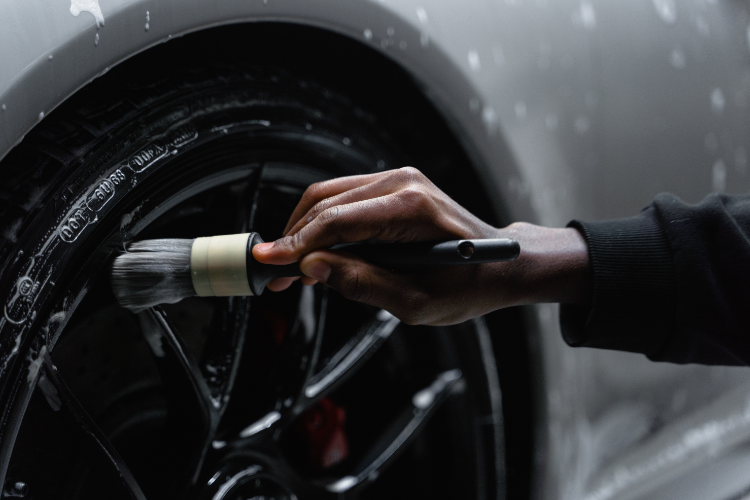
Tires and wheels are some of the dirtiest parts of any vehicle, constantly exposed to road grime, brake dust, grease, and environmental debris. Since they sit closest to the road, they often accumulate stubborn buildup that regular washing may not fully remove. Cleaning your tires is a crucial step in car detailing because it improves overall vehicle appearance while helping protect rubber and wheel finishes from long-term damage caused by contaminants.
Proper tire cleaning includes:
- Spray dedicated tire and wheel cleaner
- Use a stiff tire brush for rubber surfaces
- Use a soft brush or sponge for wheels
- Rinse thoroughly
- Apply tire dressing for protection and shine
Properly cleaned tires and wheels instantly alleviate your vehicle’s overall look and complete the exterior detailing process. Removing built-up grime helps preserve rubber flexibility and prevents premature cracking or fading. When paired with protective tire dressing, this step not only improves shine but also helps maintain tire condition, ensuring your vehicle looks polished and well cared for from top to bottom.
Wash and Polish Exterior
Washing and polishing the exterior is one of the most important steps in car detailing because it removes surface contaminants while restoring your vehicle’s shine. Dirt, road salt, and environmental pollutants can stick to your car’s paint and gradually cause fading or scratches if left untreated.
Properly washing your vehicle prepares the surface for polishing, which helps eliminate minor swirl marks and improves paint clarity, giving your car a refreshed, glossy appearance. The safest method is the two-bucket system, which separates soapy water from rinse water to reduce the risk of reapplying dirt during washing.
- One bucket for soapy water
- One bucket for rinsing your mitt
- Wash from top to bottom to prevent spreading dirt
- Rinse frequently
- Dry using microfiber towels or a drying cloth
Completing the wash and polish process helps restore your vehicle’s exterior and prepares it for protective treatments like waxing. Removing contaminants and smoothing the paint surface will provide shine while reducing visible imperfections. A properly washed and polished exterior not only improves appearance but also helps maintain the condition of your vehicle’s paint over time.
Clean Metal
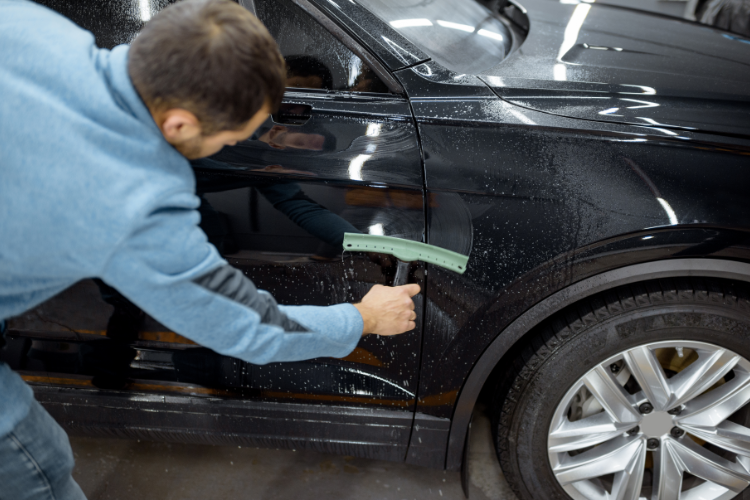
Metal components such as exhaust tips, chrome trim, and badges add distinctive visual details to your vehicle but are often overlooked during regular cleaning. These surfaces are highly exposed to moisture, dirt, and oxidation, which can cause dullness or corrosion over time. Cleaning metal surfaces during car detailing helps restore shine and prevents buildup that may lead to long-term damage.
Focus on:
- Exhaust tips
- Chrome trim
- Metal badges or accents
After cleaning and polishing metal components, your vehicle will display brighter, more refined exterior details. Maintaining these surfaces helps prevent rust and preserves their finish, contributing to a cleaner and more polished overall appearance. Proper metal care also supports the longevity of decorative and functional vehicle components.
Wax Exterior
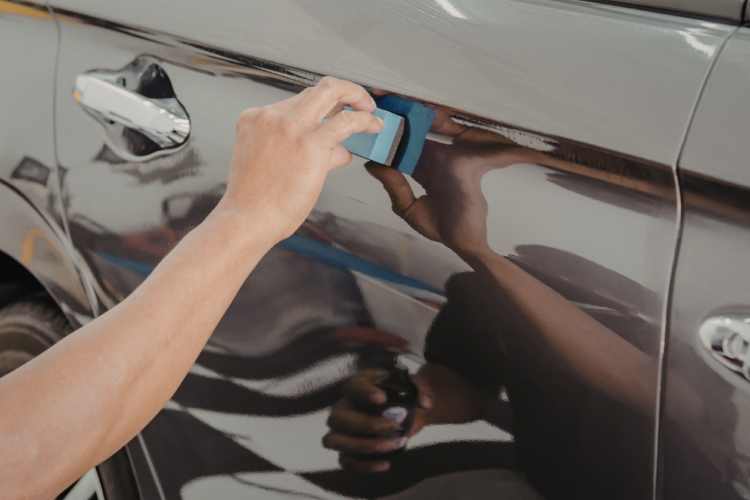
Waxing is a protective finishing step that helps seal and safeguard your vehicle’s paint after cleaning and polishing. Over time, exposure to sunlight, rain, and environmental contaminants can gradually wear down paint surfaces. Applying wax creates a protective barrier that helps shield the paint while enhancing depth and shine, giving your vehicle a smooth, glossy finish.
Steps include:
- Apply wax using a foam applicator pad
- Work in small sections
- Allow wax to haze before buffing
- Use a clean microfiber towel to polish surfaces
Once wax has been applied and buffed, your vehicle gains both visual enhancement and long-lasting protection. Regular waxing helps preserve paint quality, reduce fading, and make future cleaning easier by preventing dirt from sticking to the surface.
This step plays a major role in maintaining your car’s overall appearance and value. Regular detailing is especially important for vehicles known for strong resale performance, helping owners preserve the qualities that make certain models hold their value longer.
Clean Windows
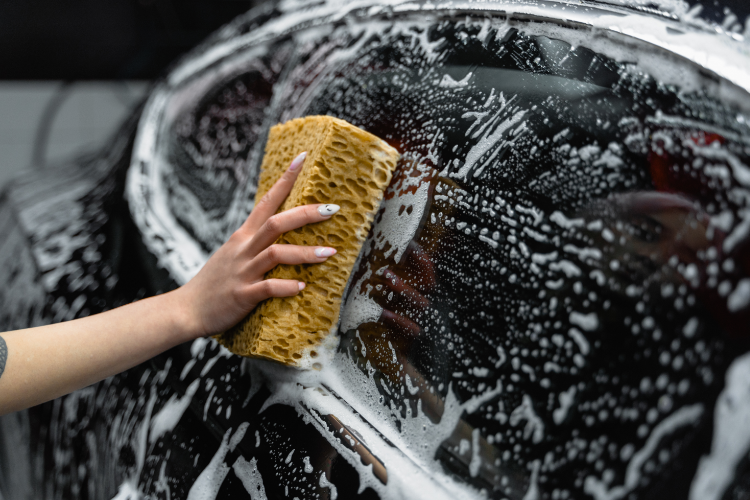
Clean windows are essential for both safety and appearance. Over time, glass surfaces collect dust, fingerprints, water spots, and film buildup that can reduce visibility and diminish your vehicle’s overall presentation. Thoroughly cleaning windows during car detailing ensures clear sightlines for drivers while giving the car a crisp, polished finish.
Tips for streak-free glass:
- Use automotive glass cleaner
- Wipe using microfiber towels
- Clean inside and outside surfaces
- Roll windows down slightly to clean edges
- Avoid cleaning in direct sunlight
Properly cleaned windows improve driving visibility and complete the detailing process with a professional look. Removing streaks and buildup improves safety while contributing to the vehicle’s overall cleanliness. Maintaining spotless glass surfaces helps your car look well cared for and ensures a clearer, more comfortable driving experience.
Bottom Line
Learning how to detail your own car is one of the best ways to maintain your vehicle’s appearance and protect its long-term value. Regular car detailing helps prevent wear, improves driving comfort, and keeps your vehicle looking its best. A freshly detailed vehicle creates a strong first impression for buyers and can help streamline the selling process when preparing your car for listing, negotiations, and final ownership transfer.
Maintaining a clean vehicle also supports accurate pricing when determining your car’s market value and can make negotiations smoother. Vehicles known for holding strong resale value often benefit even more from consistent detailing and care.
Additionally, presenting a clean, well-maintained vehicle can simplify the process when planning to trade in your car for an upgrade. When you are ready to move your vehicle after buying or selling, working with a trusted auto transport provider helps ensure your freshly detailed car arrives safely and in excellent condition.
Car Detailing FAQ
How is car detailing different from a car wash?
Car detailing involves deep cleaning, restoration, and protective treatments, while a standard car wash focuses primarily on removing surface dirt.
Can detailing remove scratches?
Detailing can remove minor scratches and swirl marks through polishing, but deeper scratches typically require professional paint correction.
Does detailing protect my car’s paint?
Yes. Waxing and protective coatings help shield paint from UV damage, contaminants, and environmental exposure.
How often should I detail my car?
Most vehicles benefit from full detailing every four to six months, although routine washing and interior cleaning should be done more frequently.
Sources:
- Fortune Business Insights – KEY MARKET INSIGHTS
- Kelly Blue Book – Resale Value
- The International Carwash Association – The Intelligence Behind High-Performing Car Wash Marketing
- Environmental Protection Agency – Why is IAQ important?
- Autogeek – The Ultimate Guide to Car Paint Protection and Correction
- Car and Driver – Upholstery Cleaner