
Buying a car, whether new or used, can be one of the most expensive purchases you make. The good news is that knowing how to negotiate car prices effectively can save you hundreds or even thousands of dollars on your purchase. In fact, Consumer Reports found that drivers who negotiate can often pay around 8% less than the asking price on used cars, with median savings around $900.
To walk away with the best possible deal, you need to combine preparation, timing, and smart negotiation strategies. This guide breaks down exactly what that looks like, including tips on knowing your budget, navigating dealer tactics, and understanding the crucial out-the-door price, the total you will actually pay once taxes, fees, and extras are included.
Key Takeaways
- Researching prices and setting a firm budget gives you leverage before you ever visit a dealership.
- Always negotiate based on the out-the-door price, the full cost including taxes and fees.
- Keep negotiations for the vehicle price, trade-in, and financing separate so you know exactly what you’re paying for.
- Be prepared to walk away; often, that’s when the best offers appear.
In This Guide:
Prepare Budget
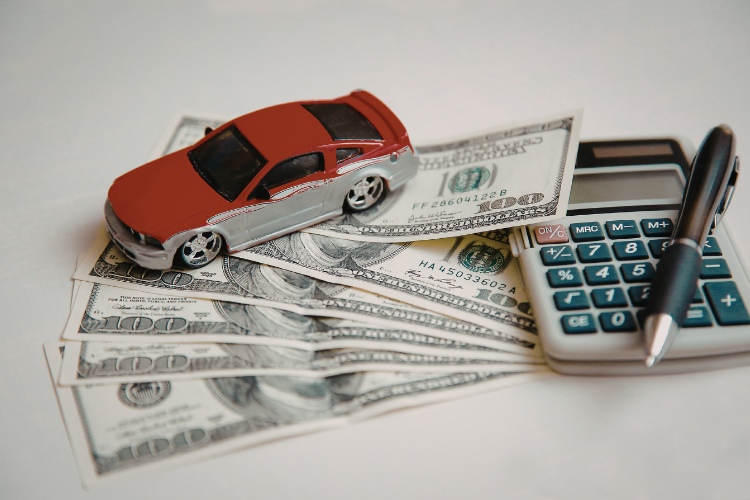
Before searching for a new or used vehicle, it’s critical to clearly define what you can realistically afford. This step sets the foundation for every negotiation that follows and helps you avoid emotional decisions that can stretch your finances further than intended.
A solid car-buying budget goes beyond just the sticker price. You will want to calculate how much you can comfortably put toward a down payment, what monthly payment fits within your current income, and how ownership costs like insurance, fuel, maintenance, and registration factor into your total expenses.
Financial experts generally recommend keeping your total car expenses under 15–20% of your monthly take-home pay. Securing preapproved financing before visiting a dealership is another smart move. According to NerdWallet, preapproval gives you a clear interest rate and loan limit upfront, which prevents dealers from inflating financing costs and gives you a strong benchmark to compare any offers presented at the dealership.
Determine Financing Type
Before negotiating, decide how you plan to pay for the vehicle. Buyers typically choose between paying cash, financing through a bank or credit union, or using dealer-arranged financing. Each option has pros and cons, but the key advantage of outside financing is leverage.
When you walk in with a loan preapproval from a bank or credit union, you are negotiating the car’s price as a cash buyer, not a borrower. This often leads to more transparent discussions and allows you to evaluate whether dealer financing truly offers better terms or simply appears more convenient. Buyers with preapproved loans are less likely to accept higher interest rates or longer loan terms that increase the total cost of the vehicle.
Use Online Tools To Determine Car Prices

Research is one of the most powerful tools you can bring into a car negotiation. Online pricing platforms allow you to see what similar vehicles are actually selling for in your area, not just what dealers are asking. Industry-leading tools from Edmunds and Kelley Blue Book provide fair market values based on vehicle condition, mileage, location, and demand. These insights help you identify whether a listing is competitively priced or marked up well above market value.
In addition, browsing inventory across multiple platforms including some of the best used car sites gives you real-world pricing examples you can reference during negotiations. As an extra step, reviewing a detailed guide on how to determine the value of a car ensures you are prepared to justify your offer with facts, not guesswork.
Consider Incentives and Promotions
Incentives can significantly impact how much you ultimately pay, yet many buyers overlook them. Manufacturer rebates, loyalty discounts, military or student incentives, and seasonal promotions can all reduce the purchase price or improve financing terms.
These offers change frequently and often vary by region. NerdWallet recommends checking for incentives before negotiating so you can factor them into your target price rather than discovering them late in the process. When you know what promotions are available also prevents dealers from presenting incentives as special favors rather than standard offers you already qualify for.
Price Shop
One of the most effective negotiation strategies is simple: compare prices. Limiting yourself to a single dealership weakens your position, while gathering multiple offers strengthens it. By comparing prices across several dealerships, online sellers, and regional listings, you gain leverage and clarity.
When a dealer knows you’ve seen better pricing elsewhere, they’re far more likely to adjust their offer. Shoppers who price shop consistently secure better deals because they can clearly demonstrate market competition. Price shopping also reinforces confidence. When you know what a fair deal looks like, it’s much easier to stand firm, counter inflated offers, or walk away entirely.
Shop for Your Car

Once your preparation is complete, it’s time to start actively shopping. This phase is where many buyers lose leverage, not because they lack information, but because they feel rushed or overwhelmed. Staying organized, patient, and confident while viewing vehicles helps ensure you stick to your budget and avoid paying more than necessary.
At this stage, your goal isn’t just to find a car you like; it’s to confirm that the vehicle aligns with your research, pricing expectations, and long-term needs. Treat shopping as a fact-finding mission rather than a commitment, and you will naturally negotiate from a stronger position.
Bring a Shopping Buddy
Bringing a friend or family member along can make a meaningful difference. A shopping buddy provides a second set of eyes to spot cosmetic issues, ask questions you may overlook, and help evaluate whether the deal makes sense.
More importantly, they can help keep emotions in check especially when a salesperson applies pressure or pushes urgency. Having someone with you also changes the dynamic at the dealership. Sales staff are often less aggressive when they know you are not making decisions alone, giving you more space to think clearly and stick to your negotiation strategy.
Consider Time of Year

Timing plays a surprisingly large role in how much flexibility a dealer has on price. Dealerships often operate on monthly, quarterly, and annual sales targets, which means they may be more willing to negotiate toward the end of those periods. According to insights from PNC Bank, buyers may find better pricing at the end of the month, when sales teams are trying to hit quotas, or at the end of the year, when dealers are clearing inventory to make room for newer models.
Holiday sales events can also offer added incentives, especially when paired with manufacturer promotions. While timing alone won’t guarantee a great deal, combining it with solid research can significantly improve your negotiating position.
Have Research Ready to Go
Walking into a dealership with solid research immediately sets you apart from unprepared buyers. Bring screenshots, printouts, or saved tabs showing fair market values from Kelley Blue Book, along with listings from reputable used car marketplaces.
Having this information readily available allows you to reference real pricing during discussions rather than relying on memory. If a dealer quotes a price above market value, you can calmly point to comparable listings or valuation data that support your offer. Demonstrating that you have done your homework signals to the salesperson that you are informed, serious, and unlikely to accept inflated pricing. This practice often leads to more transparent negotiations from the start.
Negotiate Price

Negotiating doesn’t have to feel awkward or confrontational. When approached with preparation and structure, it becomes a straightforward conversation rooted in facts, not pressure. The key is to remain calm, informed, and focused on the numbers that actually matter. Your research, timing, and budget all come together at this stage. By following these strategies, you can keep control of the discussion and avoid common pitfalls that cost buyers money.
Stay Firm
Start the negotiation with a price grounded in your research and market data, not guesswork. This should be a realistic number based on fair market value, comparable listings, and vehicle condition. Once you have stated your target price, stay consistent. Confidence signals that you understand the market and aren’t negotiating blindly. Letting the salesperson know you have reviewed pricing tools, comparable listings, and valuation data makes it harder for inflated pricing to hold up under scrutiny.
Be Prepared to Walk Away
One of the most powerful negotiation tools is your willingness to leave the dealership without a deal. If the numbers don’t align with your research or budget, walking away protects you from overpaying and often triggers a better offer.
According to insights shared by CarInterior, dealerships are more likely to reconsider their position when they sense a sale may be lost entirely. Even if they don’t follow up immediately, you have reinforced that you won’t accept unfavorable terms under pressure.
Go Low
It’s standard practice to begin negotiations slightly below your ideal price. This creates room to move while still keeping the final number within your acceptable range. Starting low doesn’t mean making an unrealistic offer, it means anchoring the conversation in your favor. As noted by Purr, strategic anchoring allows buyers to compromise without exceeding their budget, rather than being pushed upward from the dealer’s opening price.
Keep Trade-in Conversations Separate

One common dealership tactic is blending the vehicle price, financing, and trade-in value into a single discussion. This makes it difficult to see where you are actually gaining or losing money. To avoid this, negotiate the vehicle’s purchase price first.
Once that’s finalized, move on to your trade-in. This approach prevents inflated pricing from being disguised as a generous trade-in offer. Using a clear valuation strategy, such as those outlined in guides on how to trade in your car, helps ensure your trade-in is assessed fairly and transparently.
Discuss Total Price
Always steer the conversation toward the out-the-door price. This is the final amount you’ll pay after taxes, registration, documentation fees, and dealer charges are included. Focusing solely on monthly payments or sticker price can mask added costs that significantly increase the total. Negotiating the out-the-door price upfront helps buyers avoid surprises and ensures every component of the deal is transparent before signing.
Avoid Unnecessary Costs
Dealers often introduce optional add-ons during the final stages of negotiation. These may include extended warranties, paint protection, VIN etching, fabric protection, or GAP insurance. While some may be useful in specific situations, many are high-margin items that inflate the final cost.
Decline add-ons you don’t need early in the process and reaffirm your agreed-upon out-the-door price. Overlooked fees and add-ons can add hundreds or even thousands of dollars to a vehicle purchase if buyers aren’t vigilant.
Bottom Line
When you know how to negotiate car prices, it gives you control over one of the largest purchases you’ll make. With preparation, timing, and a focus on the full out-the-door price, you can confidently secure a deal that fits your budget. And once your purchase is complete, if you need safe, trusted delivery for your new car, Sherpa Auto Transport makes it easy to transport your vehicle anywhere in the U.S., streamlining the entire buying process from start to finish.
Trading in a Car FAQ
Can I ship a car from a dealership to my house?
Yes. If you’re not local or don’t want to drive the car home, Sherpa Auto Transport can deliver it from the dealership to your address safely.
How much below MSRP can I realistically negotiate?
Expect to negotiate anywhere from a few percent to potentially 10%+ off MSRP, depending on demand, model, and incentives available.
Are dealer fees negotiable?
Yes. Many fees, like documentation or processing fees, can be negotiated or removed entirely if you ask.
Is it better to negotiate in person or online?
Online negotiation lets you gather multiple offers without pressure, but some buyers find in-person negotiation more effective once they’re prepared and confident.
Sources
- CarWhere – How to Negotiate New Car Prices
- NerdWallet – How to Negotiate Car Prices
- Edmunds – Negotiating Car Prices
- Consumer Reports – Car Price Negotiation Benefits
- PNC Insights – Tactics to Use with Salespeople
- Pur – Negotiating Car Prices