
Self-driving cars are no longer just futuristic concepts, they are rapidly transforming the automotive industry and changing how people think about transportation, safety, and convenience. Major automakers and technology companies are investing billions of dollars into autonomous driving systems.
According to the National Highway Traffic Safety Administration (NHTSA), automated driving systems have the potential to significantly reduce crashes caused by human error, which accounts for over 90% of serious roadway accidents in the United States. Whether you are considering purchasing a modern electric vehicle or relocating with a high-tech car, understanding how autonomous technology works can help you make informed decisions about ownership, safety, and long-distance transport.
Key Takeaways
- Self-driving cars use advanced sensors, artificial intelligence, and automation systems to navigate roads with limited or no human input.
- Autonomous driving technology is categorized into six levels, ranging from no automation to fully driverless vehicles.
- Several automakers and technology companies are leading the race to develop the best self-driving cars available today.
- While autonomous vehicles offer safety and convenience benefits, they also present technical, legal, and cybersecurity challenges.
In This Guide:
- What are Self-Driving Cars?
- Autonomous Car Driving Technology
- Cars with Self-Driving Technology
- Self-Driving Car Safety Considerations
- Bottom Line
- Self-Driving Car FAQ
What are Self-Driving Cars?
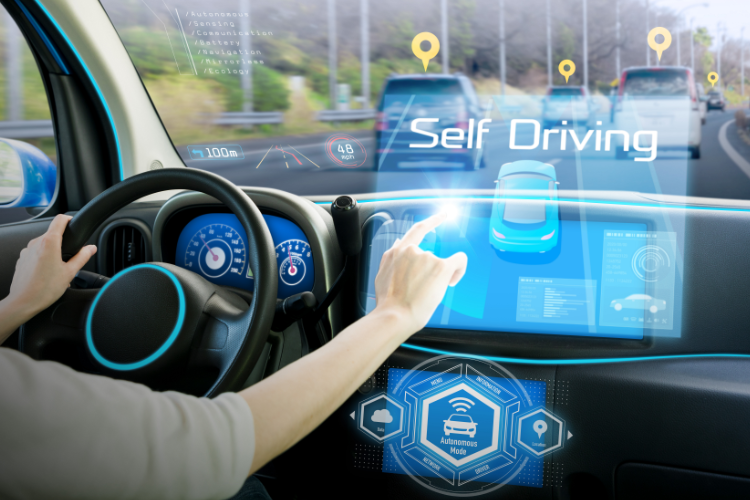
Self-driving cars, also called autonomous cars, are vehicles equipped with technology that allows them to operate with minimal or no human involvement. These vehicles rely on cameras, radar, LiDAR sensors, GPS, and artificial intelligence software to detect surroundings, interpret road conditions, and make driving decisions in real time.
While fully autonomous vehicles are still under development, many modern cars already include partial self-driving features such as adaptive cruise control and lane-keeping assistance.
Autonomous Car Driving Technology
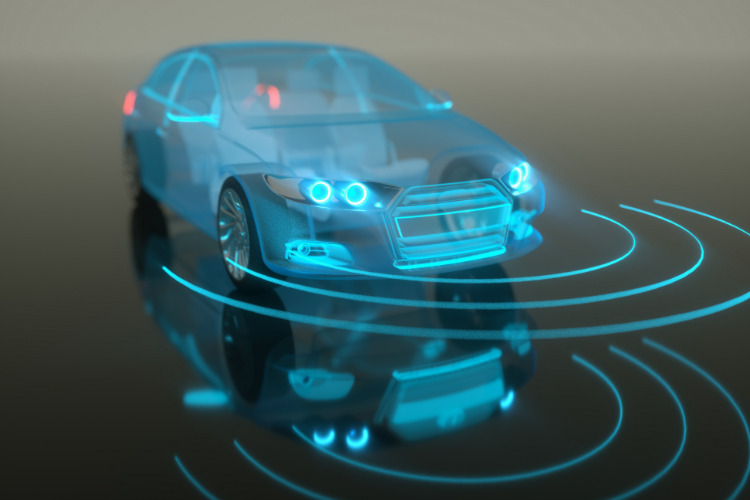
Autonomous car technology is classified into different levels based on how much control the vehicle has compared to the driver. The Society of Automotive Engineers (SAE) defines six levels of driving automation that help categorize driverless technology.
Level 0
Level 0 vehicles have no automation. The driver is fully responsible for steering, acceleration, braking, and monitoring road conditions.
Level 1
Level 1 vehicles include basic driver assistance features such as cruise control or lane assistance. The driver remains responsible for most driving tasks.
Level 2
Level 2 automation combines multiple assistance systems like steering and speed control simultaneously. Many vehicles with advanced driver assistance, including several Tesla models, fall into this category. Drivers must remain fully attentive and ready to take control at any time.
Level 3
Level 3 vehicles can handle most driving tasks under specific conditions, such as highway driving. However, drivers must still be prepared to intervene if the system requests assistance.
Level 4
Level 4 automation allows vehicles to operate independently in designated environments, such as specific cities or mapped routes. Human input is rarely required but still possible in certain scenarios.
Level 5
Level 5 represents fully autonomous driving. These vehicles would operate without steering wheels or driver controls and function entirely without human involvement. Although this level remains under development, several companies continue testing prototypes.
Cars with Self-Driving Technology
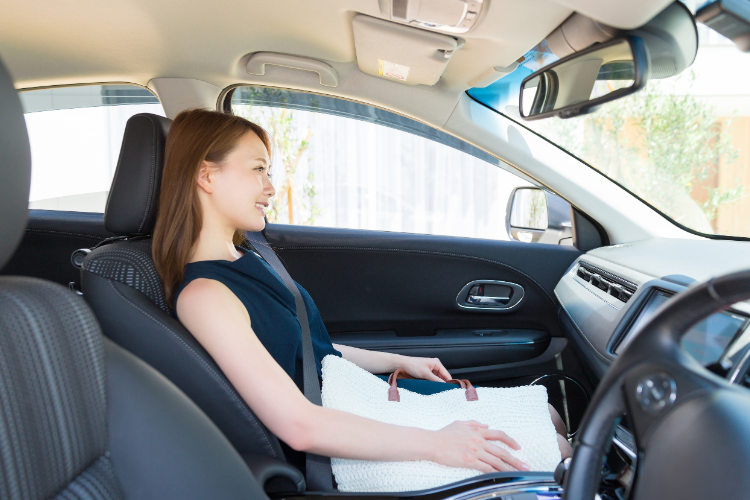
Many automakers are introducing vehicles equipped with autonomous driving features. While these vehicles are not fully self-driving yet, they showcase how rapidly the technology is advancing.
Tesla Model S and Model 3
Tesla remains one of the most recognized names among self driving car companies. It offers Autopilot and Full Self-Driving (FSD) software that assists with lane navigation, traffic-aware cruise control, and parking functions. Buyers considering ownership often evaluate resale value, maintenance, and battery life before buying a used Tesla.
Furthermore, Tesla continuously improves its self-driving capabilities through over-the-air software updates, allowing owners to receive new features without visiting a service center. This ability to enhance vehicle performance over time makes Tesla stand out among competitors.
However, drivers must still remain attentive and prepared to take control, as Tesla’s systems currently function as advanced driver-assistance technologies rather than fully autonomous driving solutions. Additionally, drivers who are still deciding whether to buy a Tesla often weigh performance, cost, and technology.
Mercedes-Benz EQS
Mercedes-Benz introduced Drive Pilot which is a Level 3 autonomous driving system approved for limited use in select regions. The EQS, often cited as a strong alternative to Tesla, combines luxury, electric performance, and automated driving technology, making it one of the best self-driving cars available in premium segments.
In addition to its automation features, the EQS emphasizes passenger comfort with advanced interior technology, including augmented reality navigation and AI-driven infotainment systems. Mercedes-Benz has focused heavily on safety redundancies within Drive Pilot, using multiple sensors and backup systems to ensure reliability. As regulations evolve, the EQS demonstrates how luxury brands are leading the integration of higher-level automation into everyday driving experiences.
Ford Mustang Mach-E
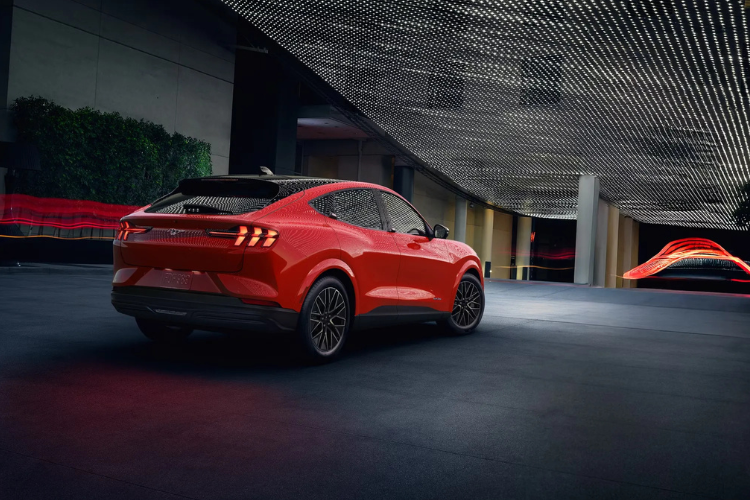
Ford’s BlueCruise system allows hands-free highway driving under certain conditions. As electric vehicles continue advancing alongside autonomous technology, range and charging capabilities remain major factors which are discussed in Sherpa’s overview of the longest-range EVs.
Ford continues expanding BlueCruise compatibility across additional road networks through software updates and mapping improvements. The Mustang Mach-E also appeals to buyers seeking a balance between performance and practicality, It offers multiple battery configurations and trim levels. Combining autonomous driving assistance with electric efficiency, Ford is positioning the Mach-E as a competitive option for drivers transitioning to smart mobility solutions.
Waymo Autonomous Vehicles
Waymo, a subsidiary of Alphabet, focuses entirely on autonomous car development rather than consumer vehicle sales. The company operates driverless ride-hailing services in select U.S. cities, demonstrating real-world Level 4 autonomy.
However, Waymo’s vehicles rely on a combination of liDAR sensors, cameras, radar, and artificial intelligence to navigate complex urban environments safely. Unlike traditional automakers, Waymo’s primary goal is to develop autonomous transportation networks rather than sell vehicles to individuals. Its expanding pilot programs provide valuable data that helps shape future regulations and technology standards for self-driving transportation.
GM Cruise Vehicles
General Motors’ Cruise division develops autonomous ride-sharing vehicles that are designed to operate without human drivers in controlled environments. These vehicles represent major progress toward fully automated transportation networks.
Cruise vehicles are built with purpose-designed interiors that remove traditional driver controls, focusing instead on passenger comfort and shared mobility experiences. GM continues testing and refining Cruise technology in urban environments to improve safety, navigation, and operational efficiency. As autonomous ride-sharing services grow, Cruise highlights how automakers are expanding beyond personal vehicle ownership toward transportation-as-a-service models.
Self-Driving Car Safety Considerations
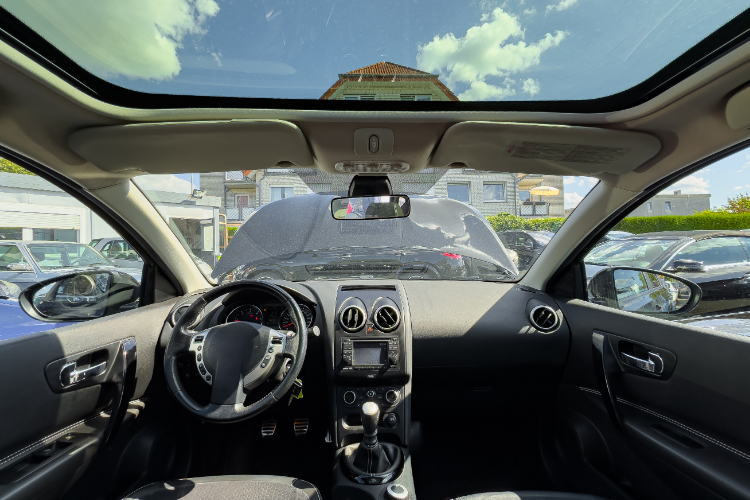
Safety remains one of the most important factors that influence the adoption of autonomous vehicles. While self-driving cars aim to reduce accidents caused by distracted or impaired driving, they also introduce new technological and ethical challenges. Research from the Insurance Institute for Highway Safety (IIHS) indicates that advanced driver assistance systems can reduce certain types of crashes but may also create driver overreliance if not used properly.
Sensor and Technical Limitations
Autonomous vehicles rely heavily on sensors and cameras to interpret surroundings. Weather conditions such as heavy rain, snow, or fog can reduce sensor effectiveness and impact system performance.
Pedestrian and Traffic Accidents
Although automation reduces human driving errors, self-driving systems still face challenges predicting pedestrian behavior and reacting to complex traffic scenarios. The NHTSA continues studying accident patterns involving automated vehicles to improve safety regulations.
Cybersecurity and Hacking Threats
Since autonomous vehicles depend on software and connectivity, they face potential cybersecurity risks. Experts warn that hacking vulnerabilities could allow unauthorized access to vehicle systems if adequate protections are not implemented. This highlights the need for strong data encryption and software updates.
Bottom Line
Self-driving cars represent one of the most significant technological shifts in modern transportation. While fully autonomous vehicles are still evolving, current models already offer impressive safety features, convenience, and innovation.
As these vehicles become more common, owners often require reliable vehicle shipping services when relocating, purchasing from another state, or transporting high-value electric vehicles. Sherpa Auto Transport specializes in safely shipping modern vehicles, including advanced electric and semi-autonomous models, ensuring they arrive securely and efficiently.
Self-Driving Car FAQ
Do you still need to pay attention to the road when in a self-driving car?
Yes. Most vehicles today offer partial automation, which means drivers must remain alert and ready to take control at all times.
How safe are autonomous vehicles compared to human-driven cars?
Early research suggests autonomous vehicles may reduce accidents caused by human error, but ongoing testing and regulation are necessary to confirm long-term safety performance.
Are there completely self-driving cars?
Fully autonomous Level 5 vehicles are still under development and are not widely available to the public yet.
What are the ethical considerations of self-driving cars?
Ethical concerns include decision-making during unavoidable accidents, data privacy, and how vehicles prioritize passenger safety versus pedestrian protection.
Sources
- National Highway Traffic Safety Administration (NHTSA) – Automated Vehicles Safety Overview: https://www.nhtsa.gov/sites/nhtsa.gov/files/documents/13069a-ads2.0_090617_v9a_tag.pdf
- Society of Automotive Engineers (SAE) – Levels of Driving Automation: https://www.sae.org/news/blog/sae-levels-driving-automation-clarity-refinements
- Insurance Institute for Highway Safety (IIHS) – Driver Assistance Systems Research: iihs.org/news/detail/iihs-examines-driver-assistance-features-in-road-track-tests#:~:text=More%20research%20before%20ratings,aren’t%20there%20yet.”
- McKinsey & Company – Autonomous Driving Industry Insights: https://www.mckinsey.com/features/mckinsey-center-for-future-mobility/our-insights/future-of-autonomous-vehicles-industry
- Waymo Official Driver: https://waymo.com/waymo-driver/