Get a free quote 877-850-1231
EV BUYER'S GUIDE

Best Tesla Alternatives in 2026

Nine credible EVs worth your attention — from $33,900 crossovers to 516-mile luxury sedans.

Sherpa Auto Transport

Tesla still leads the U.S. EV market, but its share has slipped from over 55% to roughly 45–48% heading into 2026. The reason is simple: the Tesla alternatives are better than ever. US-built models from Hyundai, Chevrolet, and Rivian now deliver competitive range, NACS Supercharger compatibility, and aggressive pricing — giving buyers real options across every segment and budget.

The nine vehicles below represent the strongest non-Tesla electric cars available in the U.S. right now, spanning affordable crossovers to luxury sedans to adventure-ready trucks. Whether you find your next EV at a local dealership, from a private seller, or from a dealer across the country, Sherpa Auto Transport handles the delivery so you can focus on choosing the right car.

Key Takeaways

What You Need to Know

  • Real competition exists at every price point. From the $33,900 Chevy Equinox EV to the $69,900 Lucid Air, strong Tesla alternatives now cover every body style, budget, and use case in 2026.
  • Match the car to your life. Range, price, charging speed, and daily utility should drive your decision — no single Tesla alternative wins everything.
  • Sherpa moves any EV. Whether you're buying from a dealer, a private seller, or out of state, Sherpa delivers your new EV safely to your door.

Best Electric Car Alternatives to Tesla

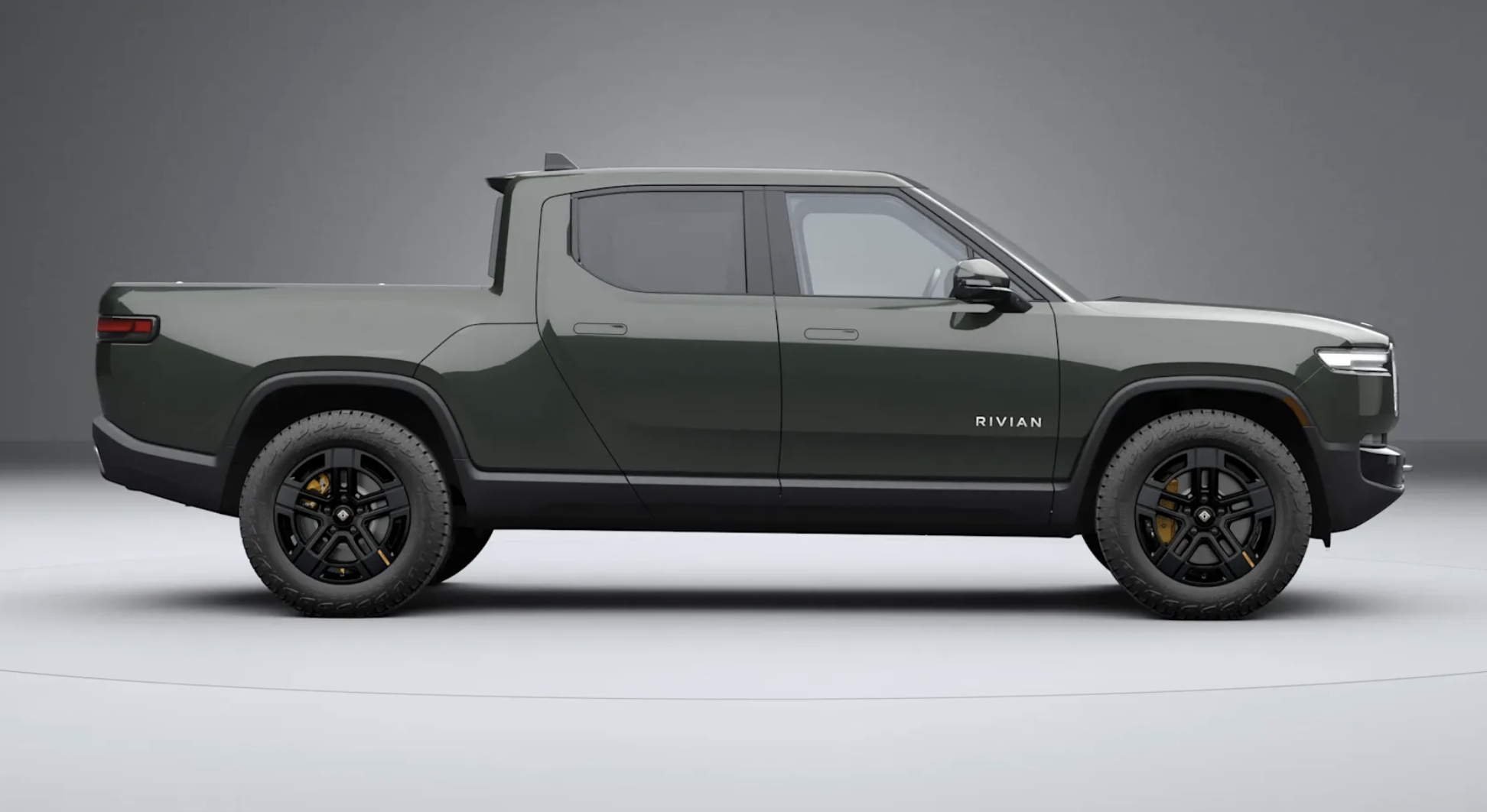
2026 Rivian R1T electric pickup truck — best Tesla alternative for adventure
Image Credit: rivian.com
Best for Adventure

Rivian R1T

The only electric pickup on this list, the Rivian R1T is purpose-built for off-road capability and outdoor living. This American-built truck pairs serious range with storage options no Cybertruck alternative can match.

Starting at $69,900
Pros
  • Adventure-ready with genuine off-road capability and quad-motor AWD
  • 325+ mile EPA range on the Large pack battery
  • Massive storage: gear tunnel, frunk, and full-size truck bed
Cons
  • High price point — this is the premium end of the market
  • Limited service center network compared to legacy automakers
Special Features
  • Available quad-motor AWD with tank-turn capability
  • Integrated camp kitchen accessory slots into the gear tunnel
  • Regular OTA software updates add features over time
2026 Lucid Air electric sedan — best Tesla alternative for luxury range
Image Credit: lucidmotors.com
Best for Luxury Range

Lucid Air

If range anxiety is keeping you from going electric, the Lucid Air eliminates it — the Grand Touring delivers up to 516 miles on a single charge. This purpose-built luxury sedan out-ranges and out-charges every Tesla on the market.

Starting at $69,900
Pros
  • Up to 516-mile EPA range (Grand Touring) — best in class by a wide margin
  • Ultra-fast 300+ kW DC charging on 900V+ architecture
  • Spacious interior from a purpose-built EV platform — no compromises
Cons
  • High starting price even for the base Pure trim
  • Very limited dealership and service network nationwide
Special Features
  • DreamDrive ADAS suite with 32 sensors for advanced driver assistance
  • Glass canopy roof for a panoramic cabin experience
  • 900V+ architecture delivers the fastest charging speeds in its class
2026 Ford Mustang Mach-E electric SUV — best Tesla alternative for legacy brand loyalty
Image Credit: ford.com
Best for Legacy Brand Loyalty

Ford Mustang Mach-E

For buyers who want an EV backed by one of the largest dealer and service networks in the country, the Mach-E delivers. Competitive range, BlueCruise hands-free driving, and Ford's brand recognition make this a practical mainstream choice.

Starting at $36,000
Pros
  • Ford's massive dealer and service network — over 3,000 certified EV dealers
  • Up to ~300 miles of range on select trims
  • Strong brand recognition and solid resale value
Cons
  • Infotainment system has drawn software complaints from owners
  • Not the sportiest ride despite the Mustang name
Special Features
  • BlueCruise hands-free highway driving on compatible roads
  • NACS adapter for Tesla Supercharger network access
  • Available GT Performance trim for enthusiast drivers
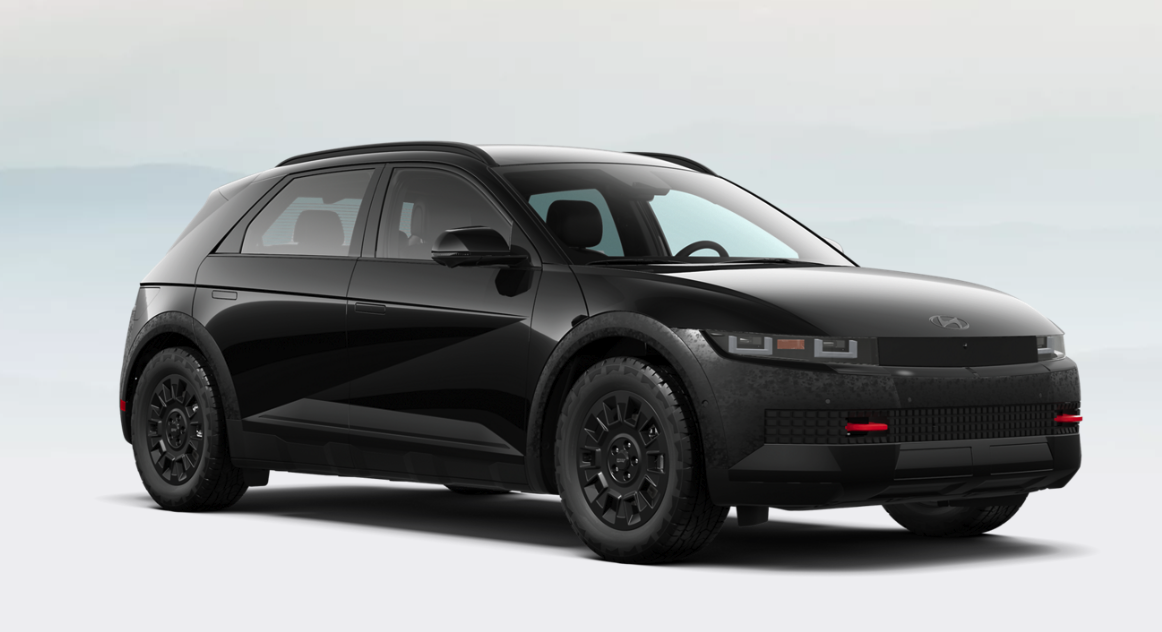
2026 Hyundai IONIQ 5 electric SUV — best Tesla alternative for value
Image Credit: hyundaiusa.com
Best Value for the Money

Hyundai IONIQ 5

Built at Hyundai's Georgia Metaplant and priced roughly $7,500 lower for 2026, the IONIQ 5 delivers flagship-level tech at mid-range pricing. Its 800V architecture charges from 10–80% in about 18 minutes — faster than almost anything in this class.

Starting at $35,000
Pros
  • Ultra-fast 800V charging: 10–80% in ~18 minutes at DC fast chargers
  • Retro-futuristic design that stands out in any parking lot
  • Excellent interior space for a compact SUV — flat floor, reclining seats
Cons
  • Max range of ~303 miles falls slightly below some competitors
  • Rear visibility limited by the angular rear design
Special Features
  • Vehicle-to-Load (V2L) bidirectional power — charge devices or appliances from the car
  • Available HTRAC AWD for all-weather confidence
  • NACS adapter for Tesla Supercharger access
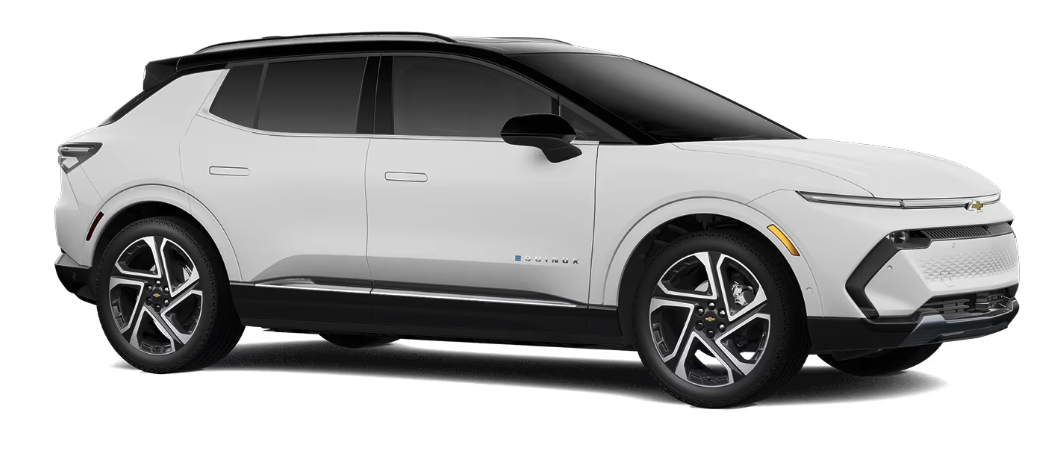
2026 Chevrolet Equinox EV — most affordable Tesla alternative
Image Credit: chevrolet.com
Most Affordable

Chevrolet Equinox EV

At $33,900, the Equinox EV is the lowest entry point on this list — and one of the best-selling non-Tesla EVs in the U.S. right now. Domestically built with a practical compact SUV footprint, it proves you don't need $50K+ to go electric.

Starting at $33,900
Pros
  • Lowest starting price on this list at $33,900
  • Domestically built on GM's Ultium platform
  • Practical compact SUV size for everyday driving and families
Cons
  • ~315-mile range is solid but not class-leading
  • Fewer premium interior touches than pricier competitors
Special Features
  • Available Super Cruise hands-free driving on compatible highways
  • 11.5-inch infotainment display + 11-inch driver display
  • DC fast charge capable for road trips
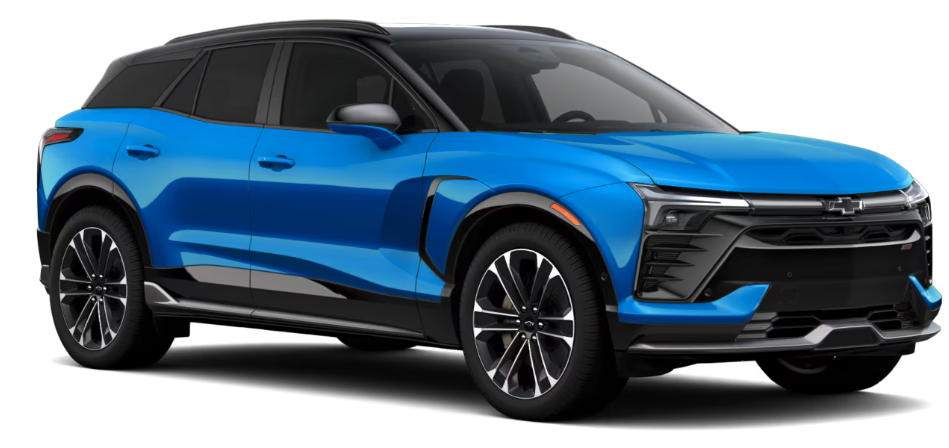
2026 Chevrolet Blazer EV electric SUV — best Tesla alternative for style
Image Credit: chevrolet.com
Best for Style

Chevrolet Blazer EV

The Blazer EV turns heads with aggressive, sport-influenced styling and backs it up with performance — the RS trim hits 0–60 in about 4 seconds. GM has resolved the early software hiccups, and the 2026 model is significantly more refined.

Starting at $45,000
Pros
  • Aggressive, head-turning design unlike anything else in this class
  • Strong performance: 0–60 in ~4 seconds on the RS trim
  • Up to 324 miles of EPA range
Cons
  • Rocky initial launch left some early-adopter frustrations (now largely resolved)
  • Pricier than its Equinox EV sibling for a similar platform
Special Features
  • Available RS performance trim with sport-tuned suspension
  • WideScreen dual-display cockpit for immersive driver experience
  • Super Cruise hands-free driving available on higher trims
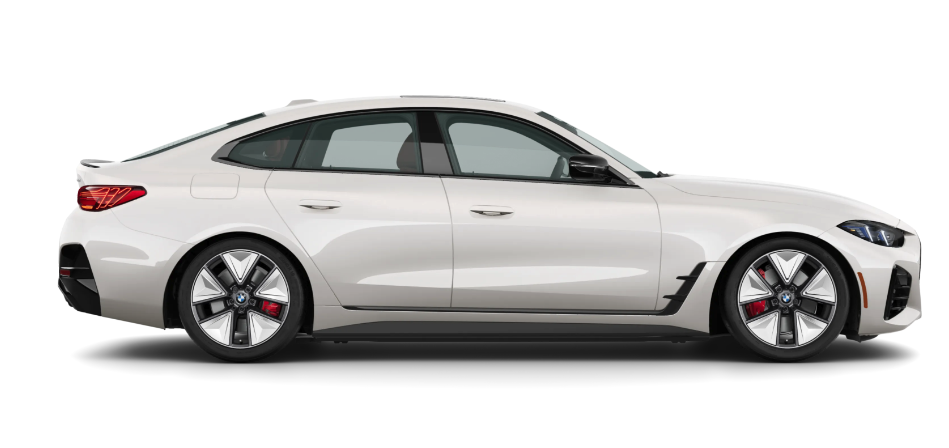
2026 BMW i4 electric sedan — best Tesla alternative for driving enthusiasts
Image Credit: bmwusa.com
Best for Driving Enthusiasts

BMW i4

The i4 is the driver's car on this list. Rear-wheel-drive dynamics, a premium interior, and BMW's well-established dealer network make it the natural pick for anyone who wants an EV that's genuinely fun behind the wheel.

Starting at $52,000
Pros
  • Genuinely engaging rear-wheel-drive dynamics and precise handling
  • Premium BMW interior with high-quality materials and build
  • Well-established dealer and service network nationwide
Cons
  • ~301-mile range is mid-pack for this price bracket
  • Trunk opening is limited — it's a gran coupé, not a hatchback
Special Features
  • M50 xDrive variant delivers 536 hp for serious performance
  • BMW iDrive with curved display — one of the best infotainment systems available
  • Over-the-air updates keep features current
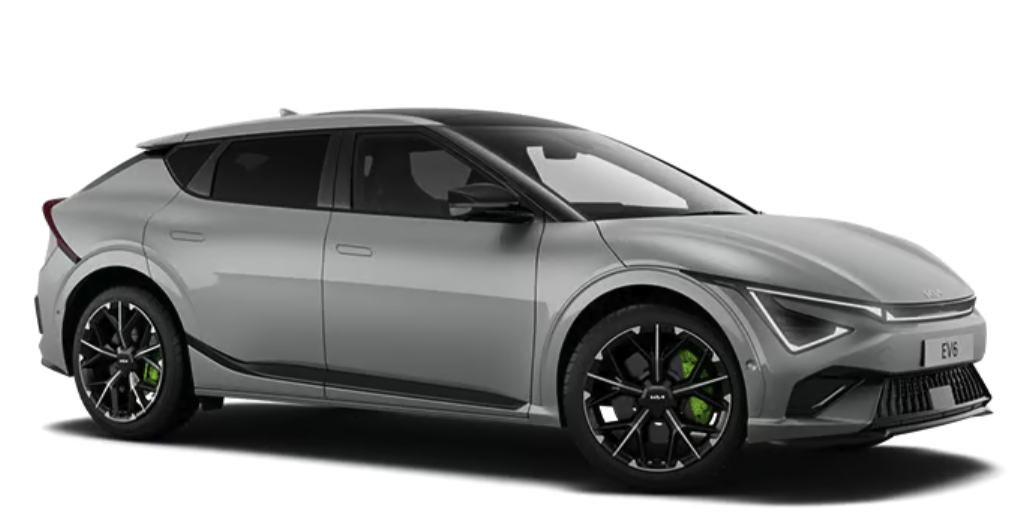
2026 Kia EV6 electric crossover — best Tesla alternative for tech-forward buyers
Image Credit: kia.com
Best for Tech-Forward Buyers

Kia EV6

Built in West Point, Georgia, the EV6 shares the IONIQ 5's ultra-fast 800V charging but wraps it in sharper crossover styling and an augmented reality head-up display. Note: the EV6 GT has been paused for the U.S. 2026 model year due to tariffs — all other trims remain fully available.

Starting at $43,000
Pros
  • Ultra-fast 800V charging shared with the IONIQ 5 platform
  • Augmented reality head-up display with navigation overlay
  • Sharp crossover design with a sportier stance than the IONIQ 5
Cons
  • Back seat is tighter than the IONIQ 5 — less ideal for tall passengers
  • EV6 GT performance trim unavailable for 2026 in the U.S.
Special Features
  • AR HUD projects navigation directions onto your windshield view
  • V2L bidirectional charging — power devices or even other EVs
  • Available AWD with strong towing capacity for its class
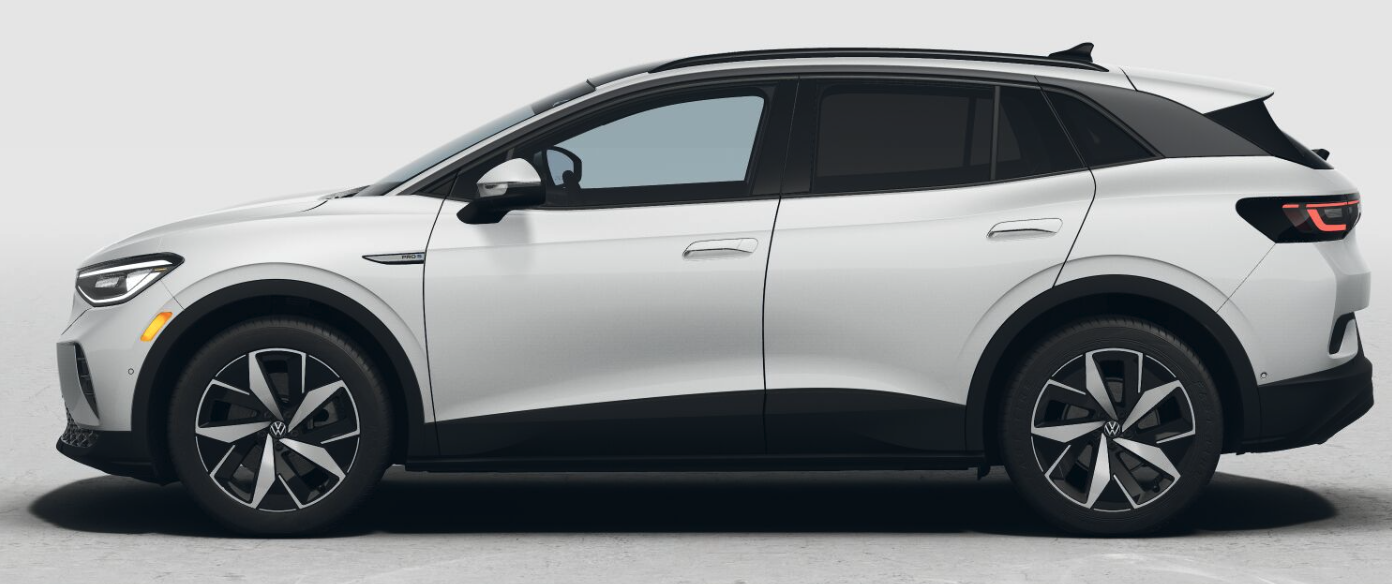
2026 Volkswagen ID.4 electric SUV — best Tesla alternative for Supercharger access
Image Credit: vw.com
Best for Supercharger Access

Volkswagen ID.4

For buyers who want electric cars with Supercharger access without buying a Tesla, the 2026 ID.4 ships with an included NACS adapter — unlocking Tesla's entire charging network from day one. It's a comfortable, practical family SUV with a solid 291-mile range.

Starting at $39,000
Pros
  • NACS adapter included — full Tesla Supercharger network access
  • Solid 291-mile EPA range on a single charge
  • Comfortable and practical family SUV with a spacious cabin
Cons
  • Infotainment criticized for frustrating touch-sensitive controls
  • Acceleration is adequate but not thrilling for performance seekers
Special Features
  • NACS adapter included for 2026 models — no extra purchase needed
  • IQ.Drive advanced driver-assist suite with adaptive cruise and lane keeping
  • Available AWD Pro S Plus trim for all-weather performance

How to Choose an Electric Vehicle

Start with budget — the price spread here runs from $33,900 to $69,900, so that's your first filter. Next, consider daily range needs: most of these vehicles exceed 290 miles, which is more than enough for commuters, but road-trippers should prioritize 350+ miles or ultra-fast charging speed. Body style matters too — sedan, SUV, or truck each serves a different lifestyle. Finally, think about charging infrastructure: home charging access is the biggest factor in daily EV convenience, and NACS Supercharger compatibility is increasingly important for road trips. If you're buying from a private seller rather than a dealer, factor in shipping logistics early in the process.

Pros of an Electric Vehicle

Switching to an EV isn't just about saving money on gas. It changes how you interact with your car daily — charging at home overnight, near-silent acceleration, and far fewer maintenance visits than a gas-powered vehicle.

  • Significantly lower fuel costs — charging an EV costs a fraction of filling a gas tank, especially if you charge at home overnight on off-peak rates.
  • Reduced maintenance — no oil changes, fewer brake replacements (thanks to regenerative braking), and far fewer moving parts to wear out.
  • Environmental benefits — zero tailpipe emissions reduce your personal carbon footprint, even accounting for power grid sources.
  • Instant torque and smooth acceleration — electric motors deliver power immediately, making EVs feel quicker off the line than most gas cars.
  • HOV lane access — many states allow single-occupant EVs in carpool lanes, saving significant commute time.
  • Federal and state tax credits — eligible EVs can qualify for up to $7,500 in federal tax credits, plus additional state incentives.

Cons of Electric Vehicles

EVs are the right fit for most drivers in 2026, but there are real tradeoffs worth understanding before committing — particularly around public charging infrastructure and higher upfront purchase prices.

  • Higher upfront cost — even the most affordable EVs carry a premium over comparable gas models, though tax credits help close the gap.
  • Charging time vs. gas fill-up — even fast charging takes 20–40 minutes compared to a 5-minute gas stop, which adds up on long road trips.
  • Public charging network reliability varies — broken chargers, long waits, and inconsistent pricing remain real frustrations depending on your region.
  • Range anxiety on long trips — while most EVs now exceed 290 miles, extreme cold, highway speeds, and heavy loads can reduce real-world range significantly.
  • Battery degradation over time — all EV batteries lose some capacity with age and use, though modern warranties cover 8+ years.
  • Insurance costs can be higher — EV repair costs (especially battery-related) tend to push insurance premiums above comparable gas vehicles.

Bottom Line

The best Tesla alternative depends entirely on what you need — whether that's luxury range (Lucid Air), adventure capability (Rivian R1T), maximum value (Hyundai IONIQ 5), or the lowest possible entry price (Chevy Equinox EV). The EV market in 2026 gives buyers more credible options than ever before. Once you've found the right one, Sherpa Auto Transport delivers it to your door — whether you're buying from a dealership across the country, a private seller, or anywhere in between, with upfront pricing backed by our Price Lock Promise.

FAQ

Who is Tesla's greatest competitor?

+

No single competitor dominates across all segments. Among Tesla competitors, Hyundai and Kia lead on value and ultra-fast 800V charging speed, Lucid leads on range with up to 516 miles per charge, and Rivian leads in the truck and adventure SUV space. Tesla still holds roughly 45–48% of the U.S. EV market as of early 2026, but the gap is narrowing as alternatives improve in range, pricing, and charging network access.

Should I Buy a Used Tesla?

+

Used Teslas offer strong value — large used inventory, full Supercharger access, and over-the-air software updates keep older models current. Downsides include variable battery degradation, income-based restrictions on federal tax credits for used EVs, and some buyers actively avoiding the brand due to Elon Musk's public profile. Sherpa ships used Teslas too — not just new EVs — so wherever you find one, we can deliver it to your door.

What is the lifespan of a Tesla?

+

Tesla batteries are warranted for 8 years and 100,000–150,000 miles depending on the model. Real-world data shows many Teslas exceeding 200,000 miles with reasonable battery retention. Overall lifespan is competitive with — or better than — most traditional gas-powered vehicles, making Teslas a solid long-term investment.

Get a Free Quote