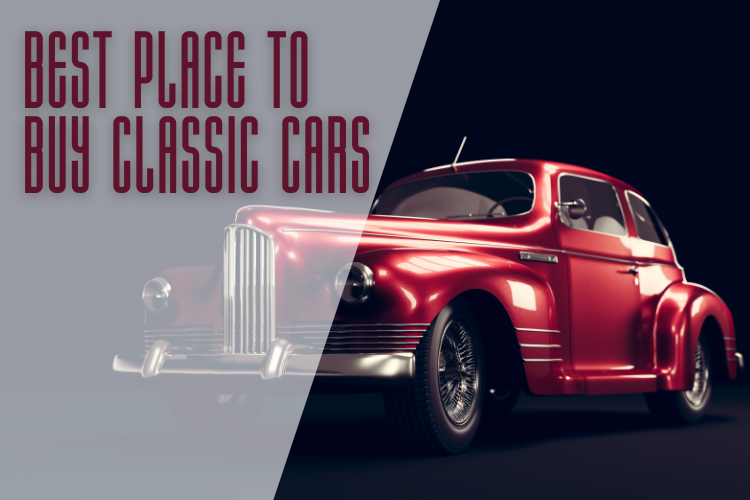
Whether you’re a seasoned collector or a first-time buyer, you need clear guidance on the best place to buy classic cars and how to buy classic cars safely in today’s dynamic market. Once you find the perfect vintage car, having a transport partner experienced in handling collectible automobiles ensures your investment arrives safely and securely.
Key Takeaways
- Classic cars are typically vehicles that are 20–25 years old with historical or collector value.
- Buyers can buy classic cars through auctions, online marketplaces, or specialty dealerships.
- Choosing reputable sellers with verified documentation protects buyers from costly mistakes.
- Professional shipping services help preserve rare or valuable vehicles during transport.
In This Guide:
- What Makes a Car a Classic Car?
- Classic Car Examples
- Where to Buy a Classic Car
- What to Look for in a Classic Car Dealer
- Bottomline
- Classic Car FAQs
What Makes a Car a Classic Car?
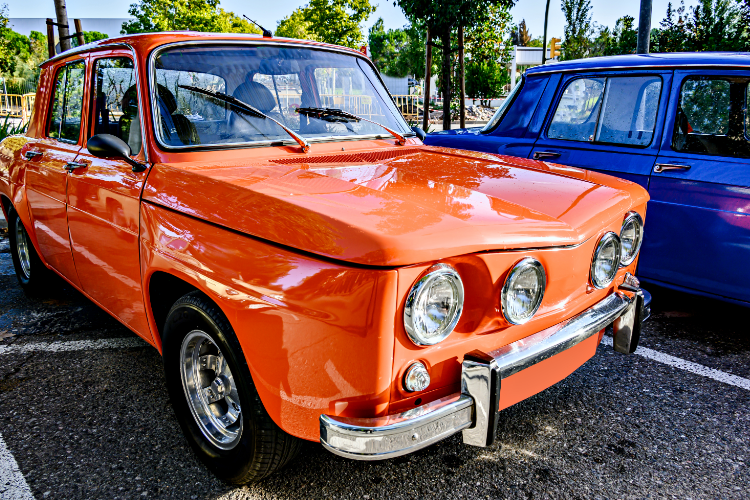
Classifying a vehicle as a classic can vary slightly, but collectors, insurers, and state DMVs generally follow similar guidelines. Most classic vehicles meet specific age, cultural importance, and collector demand requirements. A car is commonly considered a classic if it meets the following criteria:
- Meets a Minimum Age Threshold: Typically 20–25 years old or older. Some insurance companies and state laws even distinguish between “classic,” “antique,” and “vintage” based on more stringent age requirements.
- Holds Cultural or Historical Significance: Maybe it introduced an innovative design feature, represents a breakthrough in engineering, or achieved mainstream popularity that influenced an entire era of automotive styling.
- Enjoys Ongoing Enthusiast Demand: Check out forums, classic car trader online groups, and dedicated clubs, if a certain model has an avid, long-term following, it’s often considered “classic.”
In short, a car’s age, rarity, and iconic status usually define buying classic cars. While personal opinions vary, these attributes remain consistent markers across the hobby. Some states or insurance companies go a step further by offering official labels like “historic vehicle” or “vintage auto ”which can affect registration and coverage. These designations typically impose mileage or usage restrictions to preserve older automobiles for special events and weekend outings.
Why the Labels Matter
Understanding how a vehicle is officially classified as a classic, antique, or vintage is more important than many buyers realize. These labels don’t just describe a car’s age or style, they directly influence how the vehicle is insured, registered, and valued in the marketplace.
Proper classification can unlock specialized insurance coverage, determine DMV requirements, and significantly impact long-term resale and collectibility, making it a key consideration when buying and owning a classic car.
- Insurance Policies: Many insurance providers have special coverage tiers for “classic cars,” often with agreed-upon valuations and limited annual mileage.
- DMV Regulations: Some states require unique license plates or have different inspection rules for antiques or vintage vehicles.
- Resale & Collectibility: A recognized “classic” car generally has a more robust resale value thanks to its documented status and enthusiast interest.
Classic Car Examples
When you picture a “classic car,” your mind might wander to 50s cruisers, muscle cars, or European roadsters. The truth is, “classic” can include a broad spectrum of historical periods:
Ford Mustang (1960s–1970s)
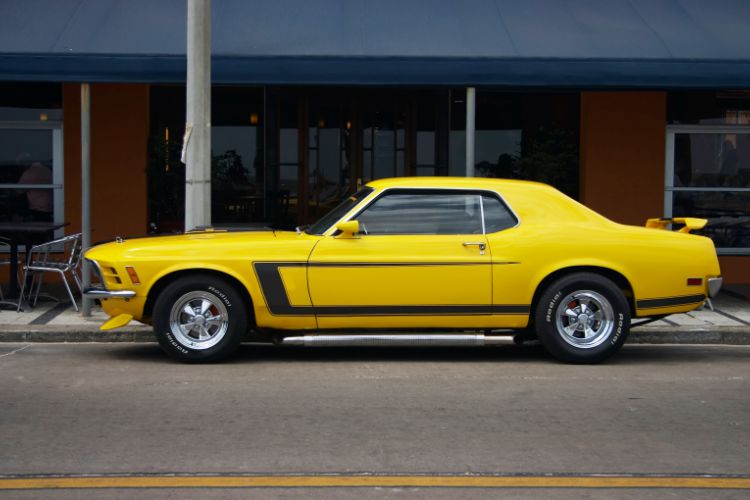
Early Mustangs kicked off the “pony car” movement and are beloved for their sleek profiles and powerful V8 engines. Enthusiasts worldwide celebrate them for redefining affordable performance cars.
Chevrolet Bel Air (1950s)
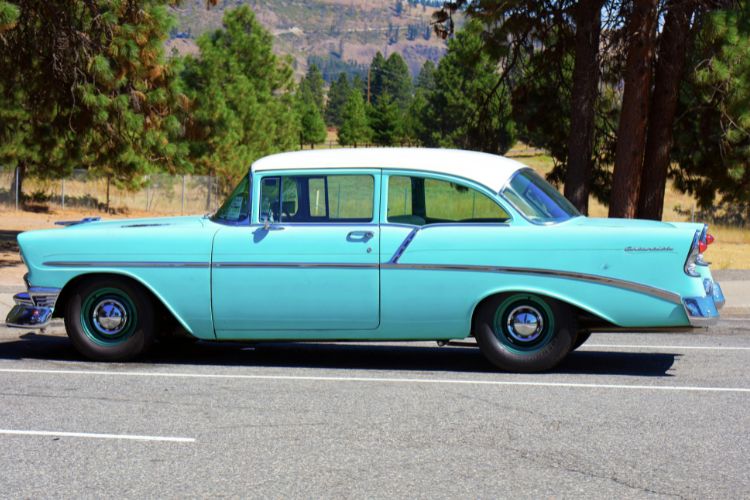
Arguably the quintessential ‘50s icon, Bel Air’s famous tailfins, pastel paints, and chrome grilles embody a golden era of American automotive design. It is perfect for those who crave rock-and-roll-era nostalgia.
Volkswagen Beetle (pre-1980s)
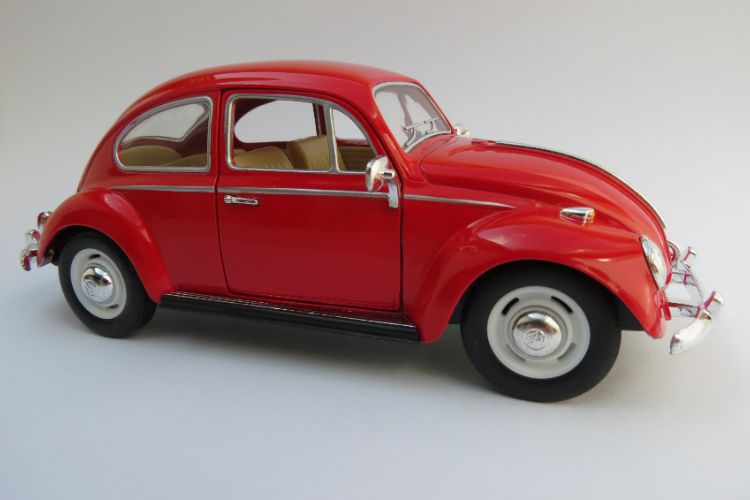
The world’s “people’s car,” the Beetle soared in popularity due to its affordability, distinctive silhouette, and mechanical simplicity. Spotted at countless classic car meets, it remains a global icon.
Mercedes-Benz SL “Pagoda” (1960s)
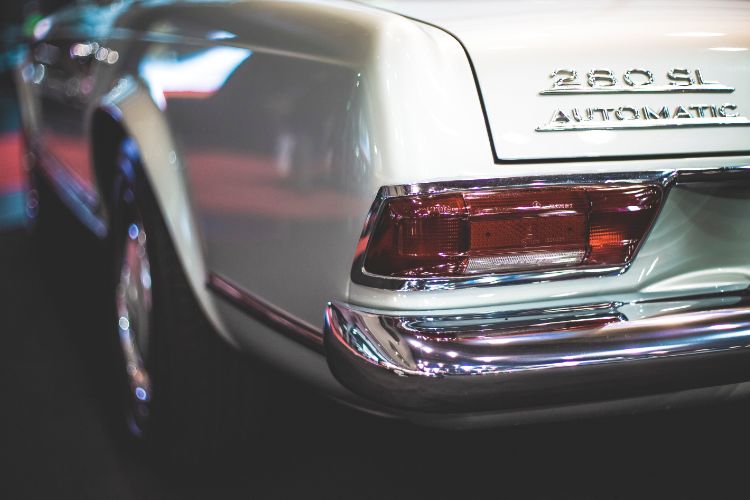
A hallmark of luxury, the Pagoda-era SL features cutting-edge safety innovations for its time and unmistakable European styling. Collectors often praise its balance of classic elegance and reliable engineering.
If you are looking for more inspiration on how to find the best vintage rides, swing by Sherpa’s Best Car Shows to see how diverse the classic car landscape truly is, where muscle machines rub shoulders with vintage trucks and where pre-war sedans share the stage with quirky European imports. Each show offers a glimpse into why these cars remain so captivating for collectors, historians, and enthusiasts alike.
Where to Buy a Classic Car
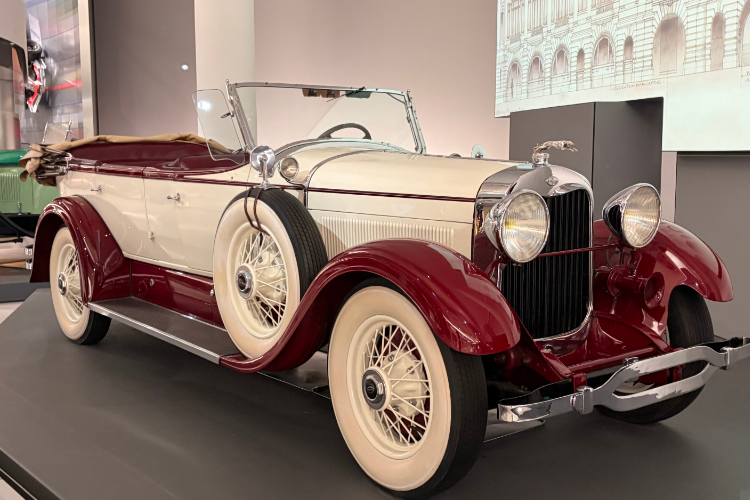
So, you’re interested in discovering where to buy classic cars. Options range from on-site auctions to classic car trader online marketplaces. Let’s explore them in detail.
In-Person Auctions
Live auctions remain one of the most exciting ways to buy classic cars. Auction houses often showcase rare or limited-production vehicles that may not appear on public listings. Benefits of buying at auctions include:
- Exclusive Access: Rare models often show up here first.
- Expert Assessments: Many auction houses provide documentation, mechanical evaluations, and sometimes even a historical background of the car.
However, auctions can involve bidding competition, registration requirements, and buyer premiums that increase final costs. Buyers should always review auction rules, fees, and vehicle documentation carefully before buying a car from an auction.
Classic Car Websites
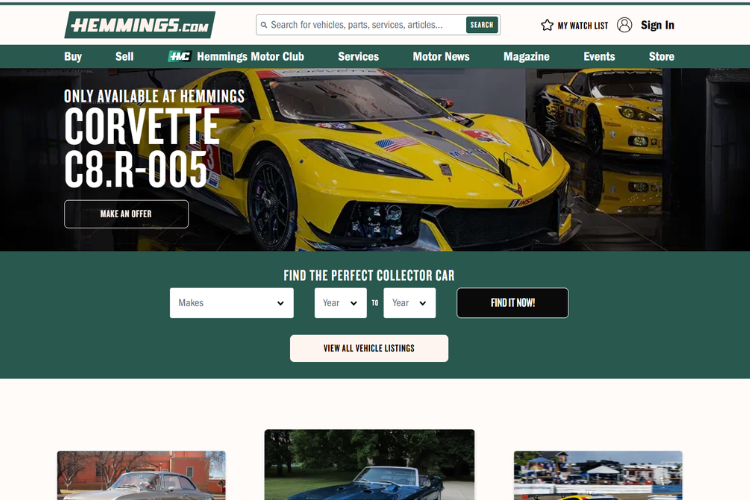
For car enthusiasts who prefer a quieter, more convenient approach, online platforms are a go-to for buying classic cars. These classic car trader online hubs not only provide global reach but also let you filter listings by model, make, year, or even price making it a breeze to compare options before deciding on the best place to buy classic cars.
Whether you live a few miles away or across the country, browsing these sites can connect you to dream vehicles in seconds. Below are three notable platforms to explore:
Hemmings
Hemmings is legendary in the automotive world, a household name for classic car enthusiasts. The platform features vehicle listings, auctions, educational articles, and enthusiast resources. Listings typically include restoration details, ownership history, and high-quality photographs.
- Key Feature: Comprehensive editorial articles and an auction section that regularly features rare gems.
- Additional Tip: For a deeper look at how Hemmings operates, plus pros and cons, check out our Hemmings Review. It’s a handy reference before making your first or next purchase.
Classics.Autotrader.com
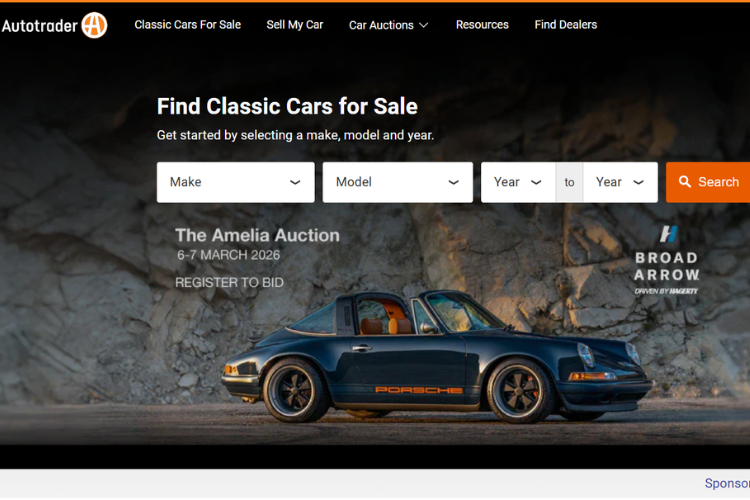
This platform focuses exclusively on classic and collector vehicles including muscle cars, hot rods, and vintage trucks. Advanced search filters help buyers locate vehicles based on price, drivetrain, body style, and condition.
- Key Feature: Intuitive filters for body style, drivetrain, and price range. This helps narrow down choices quickly if you’re set on a specific type of classic car.
- Additional Tip: Sellers range from private owners to professional dealerships. Always read reviews and request detailed photos or service records to ensure transparency.
Classiccars.com
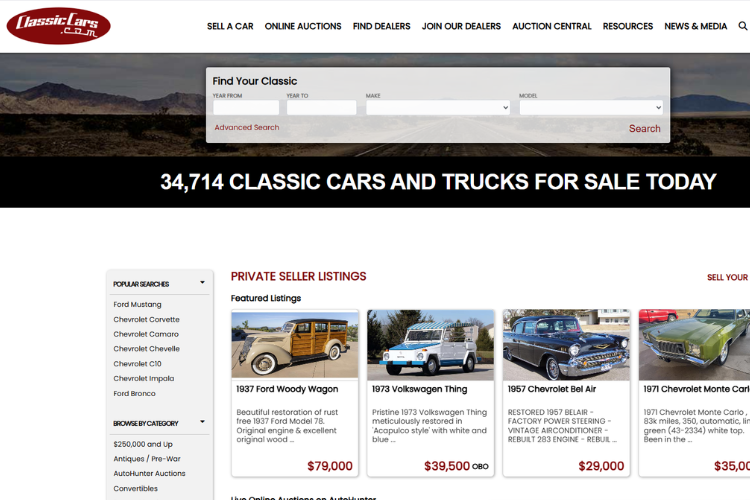
Classiccars.com caters to a broad range of tastes and budgets with thousands of listings. Its advanced search feature lets you zero in on specific criteria like body type, mileage, or even interior color making it easier to discover hidden gems.
- Key Feature: A straightforward, user-friendly interface and a robust seller community that actively responds to questions.
- Additional Tip: Many aficionados tout it as one of the best places to buy classic cars online because of how easy it is to browse and connect with reputable sellers. Still, be sure to do your homework—request additional photos or arrange third-party inspections for high-value vehicles.
Making the Most of Online Shopping
- Read Seller Feedback: Many platforms allow buyers to leave reviews. Look for sellers with consistently positive ratings.
- Check Service Records: Don’t hesitate to ask for maintenance logs, restoration documents, and receipts for new parts.
- Plan for Transport: Once you land your dream car, you’ll need a reliable way to ship it home. Sherpa Auto Transport specializes in Classic Car Transport to ensure vintage rides remain pristine on their journey.
- Negotiate Diplomatically: Prices on these sites can be flexible. Politely discuss any concerns like rust, engine repairs, or upholstery damage—so you don’t overpay.
Online platforms have truly reshaped the landscape of buying classic cars. Using these user-friendly websites Hemmings, Classics.Autotrader.com, or Classiccars.com you can explore countless listings, compare specs, and even connect with fellow collectors around the globe.
Take your time, verify each car’s authenticity, and always keep shipping arrangements in mind for a worry-free purchase. To explore more digital tools for buying classic cars, see our piece on Car Auction Sites or How to Buy a Car Online. These resources can help you compare platforms, spot scams, and seal the deal securely.
What to Look for in a Classic Car Dealer
Not all dealerships are created equal, especially when dealing with prized vintage automobiles. If you prefer an in-person approach, consider these factors:
- Proven Track Record: A dealership’s reputation in the classic community speaks volumes. Browse online forums, check reviews, and ask for references.
- Transparent Vehicle History: Ensure the dealer can produce service records, restoration documentation, and any relevant historical data on the car.
- Expertise: Are the staff knowledgeable about the make and model? This matters for “matching numbers” or verifying authenticity.
- Clean Facilities: Classic cars require special care—look around for how they’re stored and maintained.
- Competitive Pricing: Compare similar models online, or use price guides, to confirm if the dealer’s numbers match market values.
Bottomline
Finding where to buy classic cars depends on your buying style, budget, and comfort level. No matter where you buy classic cars, verifying documentation and working with trusted sellers helps protect your investment. For a deeper look at everything from Car Shows to Car Auction Sites and Classic Car Transport, explore our comprehensive guides. With the right planning, research, and a reliable transport partner like Sherpa Auto Transport, your journey into the world of classic automobiles can be just as smooth and exciting as the cars themselves.
Classic Car FAQs
How can I ship a car to where I am?
Once you decide on your dream ride—be it from an auction in another state or a classic car trader online—you’ll need reliable transportation. Sherpa Auto Transport specializes in classic car transport solutions designed to protect these unique vehicles.
Our enclosed transport options help shield your investment from road debris and weather, ensuring it arrives in pristine condition.
Do classic cars appreciate?
In many cases, yes—certain models appreciate over time, especially if they’re rare or in high demand among collectors. However, appreciation is never guaranteed. Buying classic cars can be a rewarding passion, but it shouldn’t be your only investment strategy.
Maintenance, storage, and insurance costs can offset potential gains.
Do dealerships work on classic cars?
Some specialized dealerships have on-site mechanics well-versed in vintage engines, carburettors, and bodywork. However, your average modern dealership might lack those classic skills. Verify a dealer’s or workshop’s qualifications before entrusting them with a delicate restoration or major repairs.
Do classic cars need special insurance?
Yes—many owners opt for classic car insurance, which typically offers agreed-value coverage and mileage limitations. This protects you in case of theft or damages, acknowledging the collectable nature of the automobile. Always review policy details to ensure you have the right blend of coverage and cost.