
California to Florida Car Shipping

WHY CHOOSE SHERPA?
With 4.86 Stars out of 9,690 reviews and a BBB A+ rating: Sherpa Auto Transport stands out as the premier auto transport company in the United States, offering upfront, transparent pricing backed by our Price Lock Promise.
Our Price Lock PromiseTransport My Vehicle From…
Car Shipping from California to Florida
Shipping a car from California to Florida is a big move — and choosing the right auto transport company makes all the difference. Whether you’re relocating, snowbirding, or sending a vehicle across the country, California to Florida car shipping doesn’t have to be stressful. At Sherpa Auto Transport, we make it simple with our exclusive Price Lock Guarantee — one fixed price, no surprises. Ready to learn everything you need to know? Let’s dive in.
Average Distance, Time and Cost

CA
California

FL
Florida
Popular Routes from California to Florida
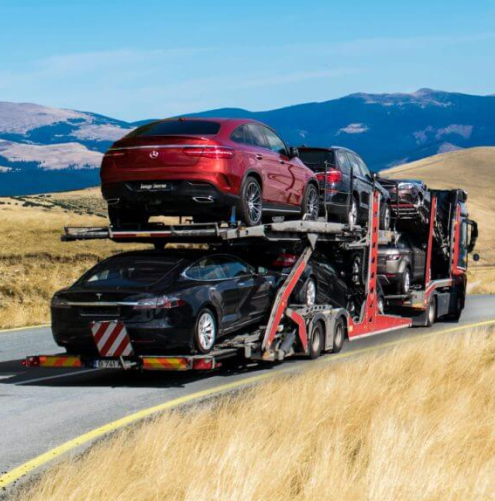
Key Takeaways on Shipping your Car from California to Florida
Auto Transport from California to Florida
Shipping a car from California to Florida costs between $1,175 and $1,550 and takes 4 to 9 days, covering an average distance of 2,654 miles.
Our California & Florida Customers
Sherpa Auto Transport backs every shipment with a Price Lock Promise, a 4.86-star rating across 9,690 reviews, and a BBB A+ rating — so you always know what you’ll pay and who you’re working with.
Factors that Impact Cost
Distance is the biggest cost driver on this route, but timing matters too — shipping during peak snowbird season (November through March) significantly raises prices due to high demand.
Tips and Tricks to Save
The single best way to save money on this route is to book early and choose a flexible 5-day pickup window, which gives carriers more scheduling options and often leads to lower rates.
How Car Shipping Works
Before your vehicle is loaded, the driver will document its condition on a Bill of Lading — this is your most important protection against any damage disputes from California to Florida.
State Insights
Once you establish Florida residency after your shipment arrives, you have 30 days to re-register your vehicle — and you’ll also want to review differences in insurance requirements, window tint laws, and emissions rules between the two states.
What Sherpa’s Customers are Saying
The Sherpa Difference
TRANSPARENCY
Our Price Lock Promise ensures you know exactly what you’ll pay, with no hidden fees or last-minute surprises.
NATIONWIDE COVERAGE
Whether you’re shipping your vehicle across the state or across the country, our extensive network of carriers ships to all 50 states all year round.
CUSTOMER FIRST APPROACH
Sherpa has a 4.86 average customer rating with over 9,690 reviews. We were recognized by Auto Business Outlook as the Top Automotive Shipping Provider in 2023 for our commitment to customer service.
CARRIER QUALITY
We carefully evaluate transportation records, accident history, and customer feedback to vet every one of our carriers. If a carrier does not meet our high standards, we do not use them.
EXPERT HANDLING
From classic cars, everyday vehicles, motorcycles and more, we have the expertise to manage all types of auto transport needs with care and precision.
Popular Routes from California to Florida
Factors that Affect California to Florida Shipping Prices
Distance
California to Florida spans roughly 2,500 miles — one of the longest domestic car shipping routes. That distance means more fuel, more driver hours, and higher overall costs compared to shorter hauls.
Route
Good news: the California-to-Florida route runs along major interstates like I-10, making it a well-traveled corridor. High carrier traffic on this route helps keep prices more competitive than rural or off-highway routes.
Season
Winter is peak season for this route, as many snowbirds head to Florida. Expect higher prices from November through March. Shipping in late spring or summer can save you money when demand drops.
Vehicle Type
Shipping a standard sedan is the most affordable option. Larger vehicles like SUVs and trucks take up more trailer space, add weight, and increase fuel costs — sometimes significantly. Always expect to pay more for bigger vehicles.
Traffic Considerations
Avoid scheduling your shipment around major holidays like Thanksgiving or spring break. Heavy traffic slows carriers down, increases fuel costs, and can delay delivery. Booking during quieter travel windows keeps things faster and cheaper.
Carrier Availability
During peak winter months, carriers on the California-to-Florida route fill up fast. You may wait weeks for a spot. Book early to lock in better rates and avoid delays. Off-season shipping typically means faster carrier assignment.
Open vs Enclosed
Most cars ship on open trailers, which are affordable and widely available. If you’re moving a luxury, classic, or high-value vehicle, consider enclosed transport for added protection — though it can cost significantly more.
Population Density
Delivery into dense metro areas like Miami or Orlando can cost more due to tight streets and traffic. If possible, arrange pickup or drop-off at a nearby suburb. It’s a simple way to cut costs and speed up delivery.
Tips & Tricks for Saving on Vehicle Shipping
Off Season Savings
Shipping during the off-season can save you money. Avoid peak periods like snowbird season in late fall and winter. Even shifting your shipment by a few weeks can lead to noticeably lower rates.
Flexible Pickup & Delivery
Choosing a five-day window for pickup and delivery gives carriers more scheduling options. That flexibility often translates to lower costs, since carriers can plan more efficient routes and fill open spots on their trailers.
Hub City Advantages
Carriers frequent major highway hubs, so choosing a pickup or drop-off near a busy corridor in California or Florida means more competition and better rates. Rural locations often cost more due to limited carrier availability.
Open Trailers
Open trailers are the most affordable option for shipping your car from California to Florida. They work well for standard vehicles. However, if you own a luxury or classic car, an enclosed trailer offers added protection worth the extra cost.
Learn More About Open vs. Enclosed Trailers
How does Car Shipping from California to Florida Work?

California to Florida car shipping is one of the most popular long-distance auto transport routes in the country. Spanning an average of 2,654 miles, this cross-country haul connects two of the largest states in the U.S. — and it requires a reliable, experienced carrier to get your vehicle there safely. Whether you’re relocating, buying a car out of state, or heading south for the season, understanding how the process works can help you plan with confidence.
The car shipping process starts with getting a quote and booking your shipment. Once you’ve selected a pickup date, Sherpa Auto Transport matches you with a vetted carrier heading along the California to Florida corridor. Before your vehicle is loaded onto the transport truck, a driver will perform a thorough inspection and document your car’s condition on a Bill of Lading. This protects you from start to finish. Your vehicle is then transported via open or enclosed carrier, depending on the service level you choose.
There are a few things to keep in mind that are unique to this route. The California to Florida auto transport path often runs through the southern states — crossing through Arizona, New Mexico, Texas, and Louisiana. Weather conditions, seasonal demand, and fuel costs along this corridor can all influence pricing. At Sherpa, our Price Lock Promise means the quote you receive is the price you pay — no surprises. Expect to budget between $1,175 and $1,550 for this route, depending on vehicle size, transport type, and timing.
From booking to delivery, California to Florida car shipping typically takes 4 to 9 days. Once your vehicle arrives, the driver will perform a final inspection alongside you to confirm its condition matches the original Bill of Lading. Auto transport doesn’t have to be stressful. With the right partner, shipping your car from California to Florida is straightforward, transparent, and hassle-free from the first call to final delivery.
California to Florida Car Transport: State Insights and Regulations

Moving from California to Florida means more than just car shipping — it also means adapting to a whole new set of vehicle rules. California requires smog checks for most vehicles every two years, while Florida does not mandate statewide emissions testing. Once your auto transport is complete and you’ve established Florida residency, you have 30 days to re-register your vehicle. Florida registration fees are generally lower than California’s, and you’ll need a valid Florida insurance policy before completing the process.
Vehicle laws differ quite a bit between the two states. California enforces strict window tinting rules, limiting front side windows to 70% light transmission. Florida is more relaxed, allowing 28% on front side windows. Ride height regulations also vary — California closely monitors vehicle lift and frame height modifications, while Florida’s rules are somewhat more flexible. If your vehicle was modified to meet California standards, it’s worth reviewing Florida’s specific codes to see what may no longer apply after your California to Florida car shipping is complete.
Florida’s climate is very different from most of California’s, so a few vehicle adjustments make sense. You can skip the winter tires — Florida rarely sees freezing temperatures. Instead, focus on heat management. Check that your coolant levels and radiator are in good shape, since Florida summers are intense. UV-protective window film is a smart investment to protect your interior. Florida’s humidity and coastal salt air can also accelerate rust, so consider an undercoating treatment after your auto transport delivery arrives.
Insurance is another key area to review. Florida is a no-fault insurance state, meaning your own policy covers your injuries regardless of who caused the accident. California operates under an at-fault system. Florida also requires Personal Injury Protection (PIP) coverage, which California does not. Minimum liability limits differ as well, so contact your insurer before or shortly after your California to Florida car shipping to update your policy and stay fully protected from day one.
Popular Car Shipping Routes from California to Florida
California to Florida Vehicle Transport FAQs
Preparing your vehicle for shipment from California to Florida is simple. Follow these key steps to ensure a smooth and safe transit:
- Clean your car: Wash the exterior so any pre-existing scratches, dents, or damage are easy to spot and document before pickup.
- Document the condition: Take clear photos of all sides of your vehicle. This protects you in the rare event of a damage claim.
- Remove personal items: Clear out any belongings from the interior. Auto transport carriers are not licensed to ship household goods, and items left inside are not covered by insurance.
- Remove or secure accessories: Take off any exterior add-ons like spoilers, bike racks, or custom mirrors that could be damaged or cause damage during the long haul from California to Florida.
- Remove your toll pass: Detach any E-ZPass, FasTrak, or SunPass transponders to avoid being charged for tolls the carrier drives through.
- Check your fluids and tire pressure: Make sure there are no leaks and that your tires are properly inflated.
- Leave a quarter tank of gas: Enough fuel is needed to load and unload the vehicle, but a full tank adds unnecessary weight.
- Disable car alarms: An alarm that goes off in transit can be a major hassle for the driver. Deactivate it or let the carrier know how to turn it off.
- Have a key ready: Provide the carrier with a working key at pickup.
For a full checklist, visit our Vehicle Shipping Tips page. A little preparation goes a long way in making your California to Florida car shipping experience stress-free!
Yes, your vehicle is insured during transport from California to Florida. Every carrier in the Sherpa network is required to carry a minimum of $1,000,000 in liability insurance and $100,000 in cargo insurance.
Before your car ever leaves California, we verify that the carrier’s insurance policy is active and in good standing. We also require every contracted carrier to add Sherpa Auto Transport as a Certificate Holder on their insurance policy — giving you an extra layer of protection throughout the entire shipment.
It’s always a good idea to check with your personal auto insurance provider as well. Some policies offer additional coverage during transport, which can give you extra peace of mind on a long haul like California to Florida.
The sooner you book, the better. We recommend scheduling your pickup at least two weeks in advance — but if you can book three to four weeks ahead, even better. Here’s why:
- Carrier availability: The California to Florida route is one of the most popular in the country, but open spots on carriers fill up fast, especially during peak moving seasons (summer and around the holidays).
- Better pricing: Last-minute bookings often come with higher rates. Booking early gives carriers more time to bundle your vehicle with others heading the same direction, which can help keep costs down.
- More flexibility: Booking in advance means you can choose a pickup window that works best for your schedule.
If you’re in a hurry, we do offer expedited shipping options — but expect to pay a premium. For most people, planning ahead is the easiest way to get a smooth, stress-free shipment. Get a free quote today and lock in your spot early.
No payment is due at the time of booking. We do require a payment method on file so that it is available to charge once a carrier is secured. We accept all major debit and credit cards, including Mastercard, Visa, Discover and American Express. The most convenient option is to pay for your shipment in full by credit card at the time a carrier is secured.
We also allow you to pay for your Initial Payment via credit or debit card and then pay the outstanding balance on delivery day via cash or a certified check made out to the carrier.
Your Sherpa shipment includes up to 100 lbs of personal items or household goods stored in the trunk area or secured below the window line. If you are shipping to or from a port or your shipment includes ocean transit, your vehicle must be emptied of all items. Sherpa and your assigned carrier cannot be responsible for personal items left inside the vehicle. See our Vehicle Shipping Tips for more details.
Yes. It is important that you, or another adult that you trust, is there for pickup and delivery of your vehicle. This designated person plays an important role in the shipping process including documenting the state of the vehicle and signing the Bill of Lading, which acts as a receipt of the vehicle’s condition.
When shipping your car from California to Florida, you have two main options: open transport and enclosed transport.
Open transport is the most popular and affordable choice. Your vehicle rides on an open-air, multi-car carrier — the same type of truck used to deliver new cars to dealerships. It’s safe, reliable, and gets the job done for most standard vehicles.
Enclosed transport provides a fully covered trailer that shields your car from weather, road debris, and outside elements. The tradeoff? It typically costs 40–60% more than open transport due to lower carrier capacity and higher demand.
So, which one is right for you?
- Choose open transport if you have an everyday vehicle and want the best value.
- Choose enclosed transport if you’re shipping a luxury, classic, exotic, or low-clearance vehicle where protecting your investment is the top priority.
Keep in mind that on a long haul like California to Florida — roughly 2,500+ miles — your car will be on the road for several days. Enclosed transport gives extra peace of mind for high-value vehicles on longer routes.
Still not sure which option fits your needs? Check out our in-depth open vs. enclosed auto transport guide to help you decide.
Yes! Sherpa Auto Transport offers door-to-door auto transport service for all shipments, including car shipping from California to Florida. This is the most convenient way to ship your vehicle — no need to drop it off at a terminal or travel out of your way.
Here’s how it works:
- At booking: You provide your preferred pickup address in California and your delivery address in Florida.
- Pickup: Your assigned carrier will come directly to your specified location to load your vehicle.
- Delivery: Your car is delivered right to your door in Florida.
Keep in mind that large car carriers cannot always access every street. If your address has low-hanging trees, narrow roads, or other obstacles, your driver will contact you to arrange a nearby alternative — such as a local parking lot or gas station. This is rare, but it does happen.
Door-to-door service is included as standard with every Sherpa shipment. There are no hidden terminal fees. Get a free quote today and let us handle the heavy lifting on your California to Florida move.
Many Auto Transport companies try to tease customers with lower rates, only to surprise you with “hidden costs” later. At Sherpa Auto Transport, we do things differently. We provide one locked-in price upfront and stick to it. If unexpected costs arise, we pay them out of our own pocket.
While we may not always be the cheapest option at first glance, our commitment to transparency and reliability offers exceptional value. As a premium service, we ensure an stress-free experience from start to finish.
We transport sedans, SUVs, pickup trucks, vans and motorcycles across the nation, including service to Alaska and Hawaii. At this time, we do not service boats, golf carts, ATVs, or RVs. We can ship both operable and inoperable vehicles so long as the vehicle can roll, brake, and steer, and that you can provide the carrier with a key to the vehicle. We can also ship electric vehicles.
Visit Sherpa’s FAQ page to learn more about car shipping!