
Dallas, TX to Los Angeles, CA Car Shipping

Certified by
Auto Transport Expert
WHY CHOOSE SHERPA?
With 4.9 Stars out of 8,000+ reviews and a BBB A+ rating: Sherpa Auto Transport stands out as the premier auto transport company in the United States, offering upfront, transparent pricing backed by our Price Lock Promise.
Our Price Lock PromiseTransport My Vehicle From…
Car Shipping from Dallas to Los Angeles
Planning a move from Dallas to Los Angeles? Shipping your car is often the smartest choice. Our comprehensive guide covers everything you need to know about Dallas to Los Angeles car shipping, including real auto transport costs, transit times, and insider tips. Whether you’re relocating for work or buying a vehicle across state lines, we’ll help you navigate the car shipping process with confidence and ease.
Average Distance, Time and Cost
TX
Dallas, TX

CA
Los Angeles, CA
Pricing by Vehicle & Trailer Type
Based on 363 shipments from Dallas to Los Angeles, SUVs cost about $93 more than standard cars, while pickups add $290. Need enclosed transport? You’ll pay 56% more ($388 extra) compared to open trailers for that added protection.
By Vehicle Type
By Trailer Type
Note: Updated 2026 pricing. Prices shown are averages based on actual Sherpa shipments over the last 12 months. Your quote may vary based on specific pickup/delivery locations, vehicle condition, current market demand, and time of year. Get an instant quote for accurate pricing.
Key Takeaways From This Article
Auto Transport from Texas to California
Shipping a car from Dallas to Los Angeles costs between $825-$1,000 and takes 2-6 days to cover the 1,436-mile route across the southwestern United States.
Our Texas & California Customers
Sherpa Auto Transport stands out with transparent pricing backed by our Price Lock Promise, a 4.9-star rating from over 8,000 reviews, and a BBB A+ rating for reliable service.
Factors that Impact Cost
The Dallas-LA corridor follows major interstates like I-20 and I-10, which keeps costs competitive compared to remote routes with less carrier traffic.
Tips and Tricks to Save
Schedule your shipment during off-peak periods like late winter or early fall to secure better rates and avoid the higher prices of summer and holiday seasons.
How Car Shipping Works
Before pickup, remove personal items, keep gas at 1/4 tank, document your car’s condition with photos, and disable alarms for a smooth shipping process.
State Insights
California requires smog certification within 20 days of registration for vehicles over four years old, which differs from Texas regulations and should be planned for in advance.
What Sherpa’s Customers are Saying
The Sherpa Difference
TRANSPARENCY
Our Price Lock Promise ensures you know exactly what you’ll pay, with no hidden fees or last-minute surprises.
NATIONWIDE COVERAGE
Whether you’re shipping your vehicle across the state or across the country, our extensive network of carriers ships to all 50 states all year round.
CUSTOMER FIRST APPROACH
Sherpa has a 4.87 average customer rating with over 7,000 five-star reviews. We were recognized by Auto Business Outlook as the Top Automotive Shipping Provider in 2023 for our commitment to customer service.
CARRIER QUALITY
We carefully evaluate transportation records, accident history, and customer feedback to vet every one of our carriers. If a carrier does not meet our high standards, we do not use them.
EXPERT HANDLING
From classic cars, everyday vehicles, motorcycles and more, we have the expertise to manage all types of auto transport needs with care and precision.
Factors that Affect Texas to California Shipping Prices
Distance
The Dallas to Los Angeles route spans approximately 1,400 miles, making distance a significant cost factor. This cross-country journey requires substantial fuel and driver time, directly impacting your shipping quote. Longer routes naturally command higher prices than shorter regional moves.
Route
The Dallas-LA corridor follows major interstates like I-20 and I-10, which helps keep costs competitive. These well-traveled highways offer consistent carrier traffic and easier logistics compared to remote routes. Major thoroughfares mean better availability and typically lower shipping rates for customers.
Season
Summer months and winter holidays see increased demand for Dallas to Los Angeles car shipping, raising prices accordingly. Off-peak periods like late winter and early fall often offer better rates. Planning your shipment during slower seasons can result in significant savings on transport costs.
Vehicle Type
Compact cars and sedans ship cheaper than SUVs or trucks on the Dallas-LA route due to weight and space considerations. Larger vehicles consume more trailer space, increase fuel costs, and require specialized equipment. Standard passenger vehicles consistently offer the most economical shipping option available.
Traffic Considerations
Peak travel periods like Thanksgiving week create highway congestion between Dallas and Los Angeles, potentially delaying shipments. Heavy traffic can increase transit times and fuel consumption, affecting costs. Scheduling your transport during off-peak weeks ensures smoother delivery and potentially lower rates.
Carrier Availability
The Dallas-LA route enjoys high carrier availability year-round due to strong demand on this popular corridor. However, peak seasons may require booking several weeks ahead. Off-season shipments typically secure carriers within days, offering more flexibility and sometimes better pricing options.
Open vs Enclosed
Open transport is the most economical choice for Dallas to Los Angeles shipments, suitable for most standard vehicles. Enclosed trailers provide weather and road debris protection but cost significantly more. Reserve enclosed transport for luxury, classic, or high-value vehicles requiring extra protection.
Population Density
Both Dallas and Los Angeles offer excellent accessibility as major metropolitan areas with extensive highway networks. Urban pickup and delivery within city limits is straightforward and cost-effective. Neither location presents the accessibility challenges of remote areas, keeping costs reasonable for customers.
Tips & Tricks for Saving on Vehicle Shipping
Off Season Savings
Timing matters when shipping your vehicle. Off-season shipping offers significant savings compared to peak periods like summer and snowbird season. Even shifting your shipment by a few weeks can reduce costs substantially, making patience a profitable strategy for budget-conscious shippers.
Flexible Pickup & Delivery
Offering flexible pickup and delivery windows can lower your shipping costs considerably. By providing carriers a five-day window instead of specific dates, you increase their routing efficiency. This flexibility translates directly into savings on your quote while maintaining reliable service.
Hub City Advantages
Strategic location selection saves money on car shipping. Choose pickup and delivery points near major highways in Dallas and Los Angeles for better carrier access and competitive pricing. Highway-adjacent locations attract more carriers, increasing competition and lowering your overall shipping costs.
Open Trailers
Open trailers cost significantly less than enclosed options for vehicle transport. Most standard cars ship safely on open trailers, exposed to weather but well-secured. Reserve enclosed trailers for luxury, classic, or high-value vehicles requiring maximum protection from road elements.
Learn More About Open vs. Enclosed Trailers
How does Car Shipping from Texas to California Work?
Shipping your car from Dallas, Texas to Los Angeles, California is a straightforward process with Sherpa Auto Transport. This popular route covers approximately 1,436 miles across the southwestern United States. Our Dallas to Los Angeles car shipping service connects two major metropolitan areas with reliable auto transport solutions tailored to your needs.
The car shipping process begins with requesting a quote and booking your transport. Once you schedule your shipment, we assign a trusted carrier to pick up your vehicle from your Dallas location. Before pickup, you’ll need to remove personal items, ensure your car has less than a quarter tank of gas, and document its current condition with photos. Our drivers conduct a thorough inspection and provide you with a Bill of Lading for your records.
Your vehicle will travel the 1,436-mile journey from Dallas to Los Angeles, typically taking between 2-6 days depending on the carrier’s route and weather conditions. This route crosses through West Texas, New Mexico, and Arizona before reaching Southern California. The price range for this auto transport service typically falls between $825 and $1,000, making it an affordable alternative to driving the distance yourself.
Upon arrival in Los Angeles, the carrier will contact you to arrange delivery at your specified location. You’ll inspect your vehicle and sign off on the delivery paperwork. Throughout the entire car shipping process, Sherpa Auto Transport provides tracking updates and customer support. With over 363 successful deliveries on this route, we have the experience to ensure your Dallas to Los Angeles auto transport is smooth and stress-free.
Texas to California Car Transport: State Insights and Regulations

When shipping your car from Dallas to Los Angeles, understanding the regulatory differences between Texas and California is essential for a smooth transition. California has some of the strictest vehicle requirements in the nation, which differs significantly from Texas regulations.
The most important consideration for Dallas to Los Angeles car shipping is California’s emissions standards. Your vehicle must pass a smog check within 20 days of registering in California. Vehicles less than four years old are exempt, but older cars need certification. Texas doesn’t require emissions testing statewide, so this may be new for Dallas residents. Before arranging auto transport, verify your vehicle can meet California Air Resources Board (CARB) standards to avoid registration issues.
California also has stricter window tinting laws than Texas. While Texas allows 25% tint on front side windows, California requires 70% light transmission, meaning much lighter tint. Additionally, California has specific regulations on vehicle modifications including frame height and exhaust systems. You’ll need to register your vehicle with the California DMV within 20 days of establishing residency, bringing your Texas title, proof of insurance, and smog certification.
Insurance rates typically differ between states, with California often having higher premiums than Texas due to population density and accident rates. Contact your insurance provider before your car shipping date to ensure continuous coverage during transport and after arrival. Weather modifications are generally unnecessary since Los Angeles has a mild Mediterranean climate year-round—no winter tires or cold-weather preparations needed. However, consider that Los Angeles traffic and parking conditions differ greatly from Dallas, so parking sensors or cameras might be worthwhile additions. Planning ahead for these regulatory differences makes your Dallas to Los Angeles auto transport experience much smoother.
Dallas, TX to Los Angeles, CA Vehicle Transport FAQs
Preparing your vehicle for transport from Dallas to Los Angeles is straightforward. Here are the key steps:
Clean your car: Wash the exterior so you can document any existing damage with photos before shipping.
Remove personal items: Take out all belongings, toll tags, and loose items. Carriers typically don’t insure personal property inside the vehicle.
Check fluid levels and battery: Ensure your car has enough gas (about 1/4 tank) and that the battery is charged so drivers can load and unload it.
Disable alarms: Turn off any car alarms to avoid issues during transport.
Document condition: Take clear photos of your vehicle from all angles before pickup.
Remove or secure accessories: Take off or secure any custom accessories, spoilers, or loose parts that could be damaged.
For complete preparation guidelines, visit our Vehicle Shipping Tips page. Following these steps will ensure a smooth shipping experience from Dallas to Los Angeles.
Yes, your vehicle is fully insured during transport from Dallas to Los Angeles. Every carrier in our network must carry at least $1,000,000 in liability insurance and $100,000 in cargo insurance.
Before we assign your shipment, we verify that the carrier’s insurance is active and valid. We also require all carriers to list Sherpa Auto Transport as a Certificate Holder on their policy. This gives you an extra layer of protection throughout your Dallas to Los Angeles route.
You’ll receive a copy of the carrier’s insurance certificate before your vehicle is picked up, so you have complete peace of mind during the entire shipping process.
We recommend scheduling your car shipment from Dallas to Los Angeles at least 1-2 weeks in advance. This gives carriers enough time to plan efficient routes and group your vehicle with other shipments heading to California.
However, booking earlier has clear advantages. With 2-4 weeks notice, you’ll have more carrier options and potentially better rates. Last-minute bookings (less than one week) are possible but may cost more and offer fewer scheduling choices.
Keep in mind that peak seasons (summer months and holidays) often require more advance notice. If you’re shipping during these busy times, aim for 3-4 weeks ahead.
Ready to get started? Contact us today for a free quote and lock in your preferred pickup dates from Dallas.
No payment is due at the time of booking. We do require a payment method on file so that it is available to charge once a carrier is secured. We accept all major debit and credit cards, including Mastercard, Visa, Discover and American Express. The most convenient option is to pay for your shipment in full by credit card at the time a carrier is secured.
We also allow you to pay for your Initial Payment via credit or debit card and then pay the outstanding balance on delivery day via cash or a certified check made out to the carrier.
Your Sherpa shipment includes up to 100 lbs of personal items or household goods stored in the trunk area or secured below the window line. If you are shipping to or from a port or your shipment includes ocean transit, your vehicle must be emptied of all items. Sherpa and your assigned carrier cannot be responsible for personal items left inside the vehicle. See our Vehicle Shipping Tips for more details.
Yes. It is important that you, or another adult that you trust, is there for pickup and delivery of your vehicle. This designated person plays an important role in the shipping process including documenting the state of the vehicle and signing the Bill of Lading, which acts as a receipt of the vehicle’s condition.
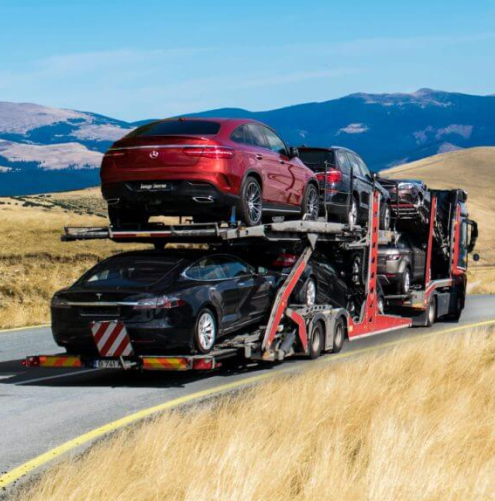
Open auto transport uses an open-air trailer (like the ones you see hauling cars on the highway) and is the most popular and affordable shipping method. Your vehicle will be exposed to weather and road conditions during transit, but it’s perfectly safe for most vehicles.
Enclosed auto transport ships your car inside a fully covered trailer, protecting it from weather, road debris, and dust. This option costs 40-60% more than open transport but is worth considering if you’re shipping a luxury vehicle, classic car, exotic sports car, or any vehicle with custom modifications.
For the Dallas to Los Angeles route, most customers choose open transport since it’s cost-effective and reliable. However, if your vehicle is valued over $100,000 or has sentimental value, enclosed transport offers extra peace of mind. Learn more in our open vs enclosed auto transport guide.
Yes, we offer door-to-door auto transport service from Dallas to Los Angeles. This is our standard service and the most convenient option for shipping your vehicle.
Here’s how it works: When you book your shipment, simply provide your pickup address in Dallas and your delivery address in Los Angeles. Our assigned carrier will come directly to your home, office, or specified location to pick up your vehicle and deliver it right to your door in LA.
In some cases, large car carriers may not be able to access certain residential streets due to low-hanging trees, narrow roads, or tight turns. If this happens on your route from Dallas to Los Angeles, don’t worry – our driver will contact you to arrange a convenient nearby meeting spot, such as a shopping center parking lot or gas station. This is rare, but we always prioritize safety and work with you to find the best solution.
Door-to-door service saves you time and eliminates the need to drive to a terminal. It’s included in your quote at no extra charge.
Many Auto Transport companies try to tease customers with lower rates, only to surprise you with “hidden costs” later. At Sherpa Auto Transport, we do things differently. We provide one locked-in price upfront and stick to it. If unexpected costs arise, we pay them out of our own pocket.
While we may not always be the cheapest option at first glance, our commitment to transparency and reliability offers exceptional value. As a premium service, we ensure an stress-free experience from start to finish.
We transport sedans, SUVs, pickup trucks, vans and motorcycles across the nation, including service to Alaska and Hawaii. At this time, we do not service boats, golf carts, ATVs, or RVs. We can ship both operable and inoperable vehicles so long as the vehicle can roll, brake, and steer, and that you can provide the carrier with a key to the vehicle. We can also ship electric vehicles.
Visit Sherpa’s FAQ page to learn more about car shipping!
Welcome to Los Angeles
Los Angeles is home to nearly 4 million residents, making it the second-largest city in the United States. Known for its entertainment industry, diverse culture, and year-round sunshine, LA offers everything from beach communities to urban downtown living. The city spans 500 square miles across multiple counties, creating distinct neighborhoods each with their own personality. Whether you’re drawn by career opportunities, the creative scene, or the Mediterranean climate, Los Angeles provides a unique blend of metropolitan amenities and laid-back California lifestyle.
Popular Neighborhoods
Santa Monica offers beachside living with excellent public transit and walkable streets, perfect for those who want coastal access. West Hollywood provides vibrant nightlife and dining with a strong sense of community. Silver Lake attracts creative professionals with its artsy vibe, coffee shops, and historic architecture. Manhattan Beach appeals to families seeking quieter beach living with top-rated schools. Downtown LA has transformed into a cultural hub with modern apartments, museums, and professional opportunities. Each area offers different commute times and lifestyle benefits, so consider your work location and preferred atmosphere when choosing.
Practical Moving Tips
California requires new residents to register their vehicles within 20 days of establishing residency and obtain a California driver’s license within 10 days. You’ll need your current registration, proof of insurance, and smog certification for most vehicles over four years old. The DMV requires a VIN verification for out-of-state vehicles. California has strict emissions standards, so some older vehicles may need modifications to pass smog checks. Registration fees vary by vehicle value and can be higher than other states. Schedule your DMV appointment online in advance, as wait times can be lengthy. You’ll also need to update your voter registration and vehicle insurance to California coverage. Keep all moving-related receipts, as some relocation expenses may be tax-deductible.
Climate & Lifestyle
Los Angeles enjoys a Mediterranean climate with mild, wet winters and warm, dry summers. Temperatures rarely drop below 50°F or exceed 85°F near the coast, though inland areas can be significantly hotter. The consistent weather means less wear on your vehicle from temperature extremes, but the strong sun can fade interiors and damage paint over time. Consider window tinting and covered parking when possible. The outdoor lifestyle is year-round here – hiking, beach activities, and outdoor dining are constants. Water conservation is important due to periodic droughts, affecting car washing regulations in some areas.
Getting Around Los Angeles
Los Angeles is built for cars, and having your own vehicle is essential for most residents. The freeway system includes major routes like the 405, 101, and 110, but expect heavy traffic during rush hours. Commute times can vary dramatically based on your route and schedule. The Metro system is expanding but still limited compared to other major cities. Many Angelenos adjust their schedules to avoid peak traffic times. GPS apps are crucial for finding alternate routes during the frequent traffic jams that can turn a 30-minute drive into a 90-minute ordeal.