
Florida to California Car Shipping

WHY CHOOSE SHERPA?
With 4.86 Stars out of 9,690 reviews and a BBB A+ rating: Sherpa Auto Transport stands out as the premier auto transport company in the United States, offering upfront, transparent pricing backed by our Price Lock Promise.
Our Price Lock PromiseTransport My Vehicle From…
Car Shipping from Florida to California
Shipping a car from Florida to California is a big move — and choosing the right auto transport company makes all the difference. Whether you’re relocating, selling a vehicle, or heading west for a fresh start, Florida to California car shipping doesn’t have to be stressful. Sherpa Auto Transport makes it simple with a Price Lock Guarantee, 4.86-star ratings from over 9,690 customers, and one fixed price — no surprises, no upsells, ever.
Average Distance, Time and Cost

FL
Florida

CA
California
Popular Routes from Florida to California
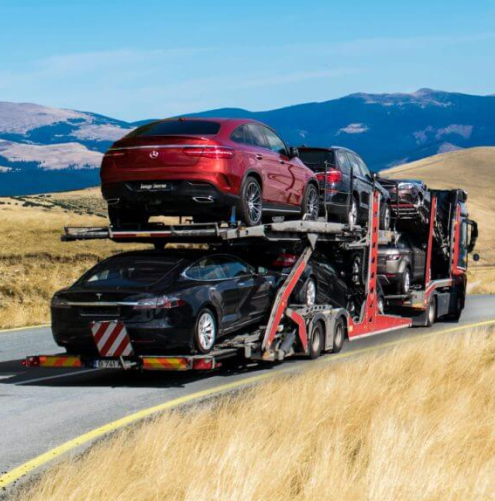
Key Takeaways on Shipping your Car from Florida to California
Auto Transport from Florida to California
Shipping a car from Florida to California costs between $1,050 and $1,525 and takes 4 to 9 days, covering an average distance of 2,703 miles.
Our Florida & California Customers
Sherpa Auto Transport earns a 4.86-star rating from over 9,690 reviews and backs every shipment with a Price Lock Promise — the price you’re quoted is the price you pay, guaranteed.
Factors that Impact Cost
Distance is the biggest cost driver on this route, but seasonal demand during Florida’s snowbird season (January through March) can significantly raise prices, so booking early is key.
Tips and Tricks to Save
The single best way to save money on Florida to California car shipping is to be flexible — choosing a five-day pickup window gives carriers more scheduling options, which often leads to lower rates.
How Car Shipping Works
Once a carrier is assigned, your car is inspected, loaded onto a trailer, and transported along major corridors like I-10, with delivery completed in 4 to 9 days and a final inspection confirming its condition.
State Insights
California requires a smog check, vehicle registration within 20 days of establishing residency, and higher minimum auto insurance coverage than Florida, so plan ahead before your car arrives.
What Sherpa’s Customers are Saying
The Sherpa Difference
TRANSPARENCY
Our Price Lock Promise ensures you know exactly what you’ll pay, with no hidden fees or last-minute surprises.
NATIONWIDE COVERAGE
Whether you’re shipping your vehicle across the state or across the country, our extensive network of carriers ships to all 50 states all year round.
CUSTOMER FIRST APPROACH
Sherpa has a 4.86 average customer rating with over 9,690 reviews. We were recognized by Auto Business Outlook as the Top Automotive Shipping Provider in 2023 for our commitment to customer service.
CARRIER QUALITY
We carefully evaluate transportation records, accident history, and customer feedback to vet every one of our carriers. If a carrier does not meet our high standards, we do not use them.
EXPERT HANDLING
From classic cars, everyday vehicles, motorcycles and more, we have the expertise to manage all types of auto transport needs with care and precision.
Popular Routes from Florida to California
Factors that Affect Florida to California Shipping Prices
Distance
Florida to California spans roughly 2,500 miles — one of the longest domestic routes. That distance means more fuel, more driver time, and higher overall shipping costs compared to shorter hauls.
Route
The Florida-to-California route runs along major interstates like I-10, making it a well-traveled corridor. Popular routes attract more carriers, which helps keep prices competitive compared to remote or rural paths.
Season
Winter and snowbird season drive up demand for this route, especially January through March. Shipping costs rise when more people are moving vehicles. Book early in peak months to lock in better rates.
Vehicle Type
Shipping a standard sedan is cheaper than shipping an SUV or truck. Larger vehicles take up more trailer space, weigh more, and burn more fuel. Some carriers can’t accommodate oversized trucks at all.
Traffic Considerations
Avoid scheduling your shipment around major holidays like Thanksgiving or spring break. High-traffic periods slow transit times and can increase costs. Choosing off-peak windows keeps things moving faster and often cheaper.
Carrier Availability
Florida-to-California is a busy lane, but peak season can still strain carrier availability. During high-demand months, you may wait weeks for pickup. Booking 2–3 weeks ahead gives you the best shot at a smooth schedule.
Open vs Enclosed
Open transport is the most affordable option and works well for standard vehicles. If you’re shipping a luxury, classic, or high-value car, enclosed transport offers extra protection — but expect to pay a premium for it.
Population Density
Delivering to dense metro areas like Los Angeles or Miami can increase costs due to tight roads and limited carrier access. Consider coordinating pickup or drop-off at a nearby suburb to save money and reduce hassle.
Tips & Tricks for Saving on Vehicle Shipping
Off Season Savings
Shipping during the off-season can save you money. Avoid peak times like snowbird season. Even shifting your shipment by a few weeks can lead to noticeably lower rates and better carrier availability.
Flexible Pickup & Delivery
Choosing a five-day window for pickup and delivery gives carriers more scheduling flexibility. This flexibility often translates to lower shipping costs, making it a simple and effective way to save money.
Hub City Advantages
Carriers travel major highways frequently, so choosing a pickup or drop-off location near one increases your options. More carrier competition along busy routes means better rates, especially compared to rural or off-highway locations.
Open Trailers
Open trailers cost less than enclosed ones and work well for most standard vehicles. If you’re shipping a luxury or classic car, an enclosed trailer offers added protection but will come at a higher price.
Learn More About Open vs. Enclosed Trailers
How does Car Shipping from Florida to California Work?

Florida to California car shipping covers an average distance of 2,703 miles, making it one of the longest and most popular interstate auto transport routes in the country. Whether you’re relocating, buying a vehicle online, or sending a car to a family member on the West Coast, understanding how the process works helps you plan with confidence. Sherpa Auto Transport makes this long-distance journey straightforward by connecting you with vetted, professional carriers who specialize in cross-country routes.
The process starts with getting a quote and booking your shipment. Once booked, a licensed carrier is assigned to pick up your vehicle from your location in Florida. Before loading, you and the driver complete a vehicle inspection report, documenting any pre-existing condition. Your car is then secured onto an open or enclosed transport trailer and begins its journey west. Because this route spans multiple states and thousands of miles, carriers typically follow major corridors like I-10, one of the most direct highways connecting Florida to California.
There are a few considerations unique to this route. California has strict vehicle emissions and inspection standards, so if your car is being registered in California after transport, be prepared for a smog check. Additionally, Florida’s hurricane season and California’s wildfire season can occasionally cause minor carrier delays, so building flexibility into your timeline is always a smart move. Florida to California car shipping also tends to have strong carrier availability year-round due to high demand, which helps keep pricing competitive. Expect to pay between $1,050 and $1,525 depending on your vehicle type, chosen transport method, and seasonal demand.
From pickup to delivery, most Florida to California auto transport shipments are completed in 4 to 9 days. Once your vehicle arrives, you’ll conduct a final inspection with the driver to confirm its condition matches the original report. Sherpa’s Price Lock Promise means the quote you receive is the price you pay — no surprises at delivery. It’s a simple, reliable way to ship your car across the country.
Florida to California Car Transport: State Insights and Regulations

Moving from Florida to California comes with important vehicle rules to know before your car shipping journey begins. California has some of the strictest vehicle laws in the country. One big difference is emissions testing. California requires most vehicles to pass a smog check every two years. Florida has no statewide emissions testing requirement. When you complete your Florida to California car shipping, you must register your vehicle within 20 days of establishing residency. You will also need a California-issued driver’s license within 10 days of becoming a resident.
California also has unique rules on window tinting. The front side windows must allow over 70% of light in. Florida allows much darker tinting at 28% for front side windows. Vehicle lift height is another key difference. California limits frame height based on vehicle weight, while Florida follows more relaxed federal standards. Make sure your vehicle meets California standards before or shortly after auto transport is complete to avoid fines.
When planning your Florida to California car shipping, think about how the climate change may affect your vehicle. California has diverse weather, from hot desert regions to cold mountain passes. If you plan to drive in areas like Lake Tahoe or the Sierra Nevada, all-season or winter tires are strongly recommended. Florida vehicles are also more prone to rust from salt air exposure. Have your undercarriage inspected before or after car shipping to check for corrosion issues that could worsen in wet California climates.
Insurance is another area where the two states differ. California requires higher minimum liability coverage than Florida. Florida is a no-fault insurance state, meaning your own insurer covers injuries regardless of fault. California follows an at-fault system, so liability coverage matters more. Review your policy before your auto transport is scheduled. Updating your coverage to meet California minimums protects you legally and financially once you arrive with your vehicle.
Popular Car Shipping Routes from Florida to California
Florida to California Vehicle Transport FAQs
Preparing your car for shipping from Florida to California is simple. Follow these key steps to ensure a smooth and safe transport:
- Clean your vehicle: Wash the exterior so any pre-existing scratches, dents, or damage are easy to see and document before pickup.
- Document the condition: Take clear photos of all sides of your car. This protects you in the unlikely event of a dispute after delivery.
- Remove personal items: Carriers are not licensed to transport personal belongings. Remove all items from the interior to avoid loss or damage.
- Remove toll passes and parking tags: Devices like SunPass (common in Florida) can accidentally register tolls while your car is on the carrier truck. Take them out before shipping.
- Check fluids and tire pressure: Make sure there are no active leaks and that your tires are properly inflated for safe loading and unloading.
- Leave only a quarter tank of gas: A full tank adds unnecessary weight. About ¼ tank is the ideal amount for transport.
- Disable car alarms: An alarm that triggers during transit can cause delays and complications for your carrier.
- Remove exterior accessories: Take off custom spoilers, bike racks, or antennas that could be damaged during the long haul from Florida to California.
- Have a key ready: Provide the carrier with a working key so they can load, unload, and reposition your vehicle as needed.
For a full checklist, visit our Vehicle Shipping Tips page. A little preparation goes a long way in making your Florida to California car shipment stress-free!
Yes, your vehicle is insured during transport from Florida to California. Every carrier in the Sherpa network is required to carry a minimum of $1,000,000 in liability insurance and $100,000 in cargo insurance.
Before your car ever leaves Florida, we verify that the carrier’s insurance policy is active and in good standing. We also require all contracted carriers to add Sherpa Auto Transport as a Certificate Holder on their insurance policy — giving you an extra layer of protection throughout the entire shipment.
It’s always a good idea to check with your personal auto insurance provider as well. Some policies offer additional coverage during transport, which can give you extra peace of mind on a long-distance route like Florida to California.
The sooner, the better. We recommend scheduling your pickup at least two weeks in advance, but booking three to four weeks ahead is even better — especially for a long-haul route like Florida to California.
Here’s why early booking matters:
- More carrier options: Carriers plan their routes in advance. The earlier you book, the more drivers are available to choose from.
- Better pricing: Last-minute shipments often cost more. Early booking gives you access to more competitive rates.
- Faster pickup: Carriers can bundle your vehicle with others heading west, which speeds up scheduling and reduces your overall cost.
If you have a hard move-out date, work backward from that date and give yourself as much lead time as possible. The Florida-to-California route is one of the most popular in the country, so carriers are available — but high demand can still tighten availability, especially in peak seasons like summer.
Ready to get started? Get a free quote from Sherpa Auto Transport and lock in your shipment today.
No payment is due at the time of booking. We do require a payment method on file so that it is available to charge once a carrier is secured. We accept all major debit and credit cards, including Mastercard, Visa, Discover and American Express. The most convenient option is to pay for your shipment in full by credit card at the time a carrier is secured.
We also allow you to pay for your Initial Payment via credit or debit card and then pay the outstanding balance on delivery day via cash or a certified check made out to the carrier.
Your Sherpa shipment includes up to 100 lbs of personal items or household goods stored in the trunk area or secured below the window line. If you are shipping to or from a port or your shipment includes ocean transit, your vehicle must be emptied of all items. Sherpa and your assigned carrier cannot be responsible for personal items left inside the vehicle. See our Vehicle Shipping Tips for more details.
Yes. It is important that you, or another adult that you trust, is there for pickup and delivery of your vehicle. This designated person plays an important role in the shipping process including documenting the state of the vehicle and signing the Bill of Lading, which acts as a receipt of the vehicle’s condition.
Open transport is the most popular and affordable option. Your car rides on an open-air trailer — the same type used to deliver new cars to dealerships. It’s safe, reliable, and the right choice for most vehicles making the long haul from Florida to California.
Enclosed transport costs roughly 30–50% more, but it shields your vehicle inside a fully covered trailer. This is the best choice if you’re shipping a:
- Luxury or exotic car
- Classic or antique vehicle
- Car with a custom paint job or low ground clearance
The Florida-to-California route is one of the most traveled in the country, so carriers are plentiful for both options. However, enclosed carriers are less common, which can mean slightly longer pickup windows.
Not sure which is right for you? Check out our in-depth open vs. enclosed auto transport guide to help you decide.
Yes! Sherpa Auto Transport offers door-to-door auto transport service for all shipments, including routes from Florida to California. This is the most convenient and popular option for our customers.
Here’s how it works: when you book your shipment, simply provide your preferred pickup address in Florida and your delivery address in California. Your assigned carrier will come directly to you — no need to drop your vehicle off at a terminal.
Keep in mind that door-to-door does not always mean your exact front door. Large auto transport trucks need room to maneuver safely. In some cases — such as narrow residential streets, low-hanging trees, or HOA restrictions — the driver may need to meet you at a nearby open location, like a parking lot or gas station. This is common and easy to arrange.
The good news? The Florida to California route is one of the most heavily traveled car shipping lanes in the country, so carriers are very familiar with pickup and delivery locations along the way. This means smoother scheduling and more flexibility for you.
Many Auto Transport companies try to tease customers with lower rates, only to surprise you with “hidden costs” later. At Sherpa Auto Transport, we do things differently. We provide one locked-in price upfront and stick to it. If unexpected costs arise, we pay them out of our own pocket.
While we may not always be the cheapest option at first glance, our commitment to transparency and reliability offers exceptional value. As a premium service, we ensure an stress-free experience from start to finish.
We transport sedans, SUVs, pickup trucks, vans and motorcycles across the nation, including service to Alaska and Hawaii. At this time, we do not service boats, golf carts, ATVs, or RVs. We can ship both operable and inoperable vehicles so long as the vehicle can roll, brake, and steer, and that you can provide the carrier with a key to the vehicle. We can also ship electric vehicles.
Visit Sherpa’s FAQ page to learn more about car shipping!