Motorcycles continue to grow in popularity across the United States, offering riders a blend of freedom, fuel efficiency, and excitement that traditional vehicles can’t replicate. In 2023, there were approximately 8.8 million registered motorcycles on U.S. roads, more than double the number from 2002, highlighting a long-term increase in motorcycle ownership and interest among riders.
At the same time, riding on two wheels comes with serious safety considerations. In the same year, motorcyclists accounted for 15 % of all U.S. traffic fatalities, despite motorcycles making up only a small fraction of registered vehicles, making risk awareness a critical part of deciding whether the pros and cons of owning a motorcycle align with your lifestyle and goals.
Key Takeaways:
- Motorcycle ownership offers freedom, fuel efficiency, and easier parking, but it also comes with safety risks and lifestyle limitations.
- The financial benefits of motorcycles can be appealing, though costs related to gear, insurance, and theft prevention should be considered.
- The decision ultimately depends on how you plan to use the motorcycle, your riding experience, and your tolerance for risk and weather exposure.
- Motorcycle ownership is best suited for riders looking for over all-weather comfort and cargo capacity, making it a lifestyle choice as much as a transportation decision.
In This Guide:
Pros of Owning a Motorcycle
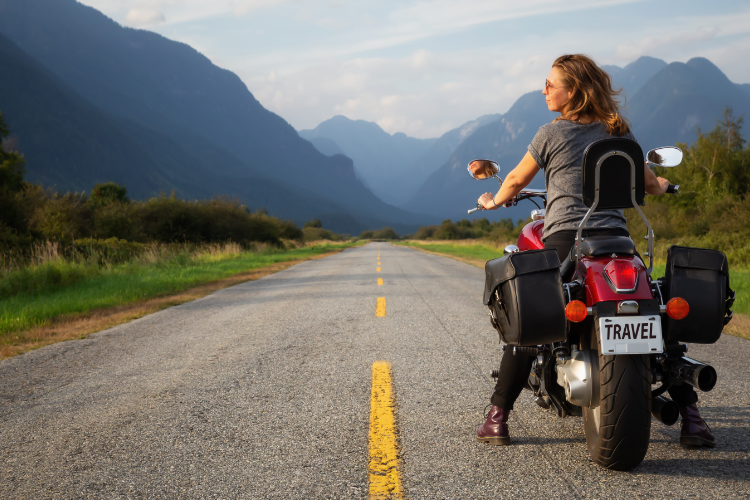
Owning a motorcycle provides more than just transportation. For many riders, it represents independence, efficiency, and a unique connection to the road. Motorcycles are known for their fuel efficiency and reduced environmental impact, often providing a deeper sense of community among riders. Additionally, they’re easier to park and maneuver in crowded urban environments, making them a practical choice for city dwellers. Below are some of the most common advantages riders experience.
Easier Parking
One of the top advantages of owning a motorcycle is how easy it is to find parking. Motorcycles can fit into tight spaces where cars cannot, making them ideal for urban areas with limited parking. Many cities also provide designated motorcycle parking, reducing time spent searching for a spot. Cities with limited parking infrastructure also offer designated parking spots, providing even more convenience. The ability to avoid parking frustrations makes motorcycles an excellent option for city commuting.
Environmental Impact
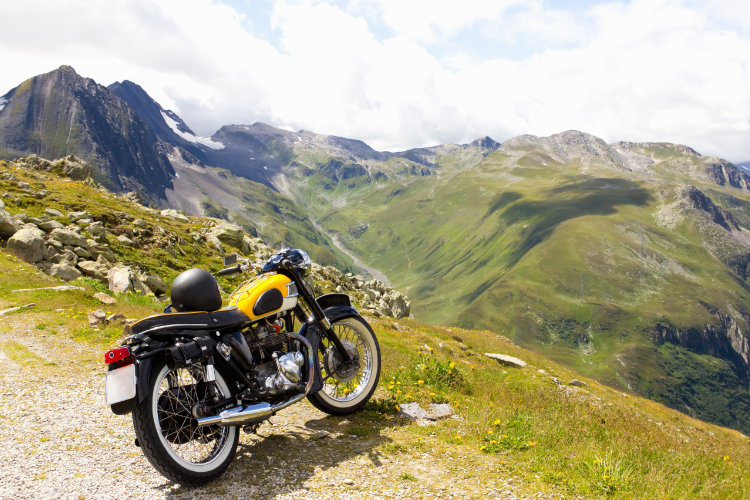
Motorcycles generally consume less fuel than cars. Most modern bikes average between 50 and 70 miles per gallon, which results in lower emissions and reduced fuel costs. For environmentally conscious riders looking for ways to reduce their carbon print, this is a meaningful benefit when weighing the pros and cons of motorcycles.
Social Community
Motorcycle culture is built around a strong sense of camaraderie among riders. Riding groups, clubs, and events bring people together over a shared passion. Many riders value the social aspect just as much as the ride itself, forming long-lasting connections through group rides and rallies.
Lower Maintenance Than Cars
Motorcycles generally have lower maintenance costs compared to cars. They require fewer parts and less labor for repairs, making routine maintenance more affordable. Additionally, motorcycles consume less fuel, have simpler mechanical systems, and cost less for standard upkeep like oil changes, tires, and brake replacements. However, riders should still ensure regular maintenance to keep their bikes in top condition. Check out the Best Motorcycles for Beginners to narrow down your research.
Cons of Owning a Motorcycle

While motorcycles offer exciting benefits, it’s equally important to understand the cons of owning a motorcycle. These drawbacks can significantly affect daily usability and long-term ownership satisfaction. Riders face the increased danger of accidents, limited storage space, and exposure to adverse weather conditions. Below, we will look into the critical drawbacks of motorbike ownership.
Safety Concerns
Motorcycles offer little physical protection compared to cars. The Insurance Institute for Highway Safety reports that motorcyclists are disproportionately represented in traffic fatalities. Even with helmets and protective gear, riders face higher injury risks, making safety the most serious downside when evaluating the pros and cons of owning a motorcycle. While helmets and safety training, including how to communicate with your fellow motorcycle riders through hand signals can reduce the risk or serious injuries, it’s undeniable that riding a bike comes with safety concerns.
Licensing and Insurance Challenges
Riding legally requires a motorcycle endorsement, which involves additional testing and training. Insurance premiums can also be higher due to increased accident risk. These requirements add time, effort, and cost to ownership. In many states, the renewal process involves ongoing education, making it challenging to keep up with the legal requirements. Additionally, insurance premiums for motorcyclists can be higher due to the increased risk of accidents.
High Risk of Theft
Motorcycles are easier to steal than cars due to their size and weight. Their small size and ease of transport make them attractive targets for thieves. According to the National Insurance Crime Bureau (NICB), 4,500 motorcycles are stolen monthly on average. Without a secure storage location or anti-theft devices, owners face a higher risk of losing their bike to theft.
Exposure to Bad Weather
Riding a motorcycle means being exposed to the elements. Rain, snow, and extreme temperatures can make travel both uncomfortable and dangerous. Motorcyclists need to wear weather-appropriate gear and plan for unpredictable conditions. Unlike cars, which provide a controlled environment, motorcycle riding does not offer shelter from bad weather.
Limited Storage Space
One of the practical downsides of owning a motorcycle is the lack of storage space. While cars provide room for groceries, luggage, or other items, motorbikes offer very limited storage options.
Riders often need to invest in additional saddlebags or backpacks to carry their belongings, which can still fall short of the storage capacity needed for longer trips.
Shorter Lifespan
Motorcycles often have a shorter lifespan than cars. Engines are smaller, components wear faster, and exposure to the elements accelerates deterioration. Frequent maintenance and careful storage can extend longevity, but higher wear is a common concern. While some bikes can last over 100,000 miles, many require major repairs or rebuilds after 50,000–75,000 miles. Frequent maintenance, riding conditions, and storage practices all play a role in a motorcycle’s lifespan.
Bottomline
The pros and cons of owning a motorcycle come down to freedom versus practicality. Motorcycles offer efficiency, excitement, and convenience, but they also demand greater responsibility, safety awareness, and lifestyle adjustments. For riders who understand the risks and embrace the experience, motorcycle ownership can be incredibly rewarding.
If you already own a motorcycle or are planning to buy one, transporting it safely matters just as much as riding it. Sherpa Auto Transport provides reliable, professional motorcycle shipping services, helping riders move their bikes securely across the country without adding wear, risk, or unnecessary miles. Whether you are relocating, purchasing a bike out of state, or heading to a seasonal destination, Sherpa makes motorcycle transport simple and stress-free.
Motorcycle FAQs
Are motorcycles dangerous?
Yes, motorcycles are more dangerous than cars due to the lack of physical protection for riders. Motorcyclists are more likely to suffer severe injuries or fatalities in accidents, as noted by the NHTSA.
However, wearing protective gear and completing rider safety courses can reduce the risk of injury.
How can I get a motorcycle shipped to me?
You can work with a professional vehicle shipping company like Sherpa Auto Transport to ship a motorcycle. We offer specialized motorcycle shipping services, ensuring your bike is transported safely using an enclosed trailer specifically outfitted for motorized vehicles.
Shipping a motorcycle is convenient for moving your bike long distances without adding mileage.
What's the best time of year to buy a motorcycle?
The best time of year to buy a motorcycle is typically in the fall after the riding season has ended. Demand tends to be lower during the cooler months, which can result in better prices and more negotiating power with sellers.
Look at dealerships and private sellers during this time for potential deals.
Is Owning a Motorcycle Worth It?
Owning a motorcycle can be a great experience for those who love adventure, fuel savings, and a sense of freedom. However, it comes with higher risks and practical challenges like limited storage and exposure to bad weather. If you’re considering buying one, weigh the pros and cons carefully to see if it fits your lifestyle.
What Is the Best Motorcycle for a Beginner?
For beginners, choosing a lightweight, easy-to-handle bike is essential. Cruisers, sportbikes, and standard motorcycles with moderate power and smooth handling are great choices. Check out our guide on the Best Motorcycles for Beginners for expert recommendations.