
Los Angeles, CA to Miami, FL Car Shipping

Certified by
Auto Transport Expert
WHY CHOOSE SHERPA?
With 4.9 Stars out of 8,000+ reviews and a BBB A+ rating: Sherpa Auto Transport stands out as the premier auto transport company in the United States, offering upfront, transparent pricing backed by our Price Lock Promise.
Our Price Lock PromiseTransport My Vehicle From…
Car Shipping from Los Angeles to Miami
Planning to ship your car from Los Angeles to Miami? You’re looking at one of America’s most popular auto transport routes. Whether relocating for work, heading to sunny Florida, or delivering a vehicle cross-country, understanding car shipping costs and timelines is essential. This comprehensive guide covers everything you need to know about Los Angeles to Miami car shipping, including pricing, transit times, and expert tips to ensure a smooth transport experience.
Average Distance, Time and Cost

CA
Los Angeles, CA

FL
Miami, FL
Pricing by Vehicle & Trailer Type
Based on 617 shipments from Los Angeles to Miami, SUVs cost about $26 more than cars, while pickups add $380. Need enclosed transport? You’ll pay 73% more ($837 extra) compared to open trailers for that added protection.
By Vehicle Type
By Trailer Type
Note: Updated 2026 pricing. Prices shown are averages based on actual Sherpa shipments over the last 12 months. Your quote may vary based on specific pickup/delivery locations, vehicle condition, current market demand, and time of year. Get an instant quote for accurate pricing.
Key Takeaways From This Article
Auto Transport from California to Florida
Shipping from Los Angeles to Miami costs $1,250-$1,500 and takes 4-9 days across 2,735 miles, with pricing varying based on vehicle type and season.
Our California & Florida Customers
Sherpa customers love our Price Lock Promise—no hidden fees or last-minute surprises—backed by 4.9 stars from 8,000+ reviews and BBB A+ rating.
Factors that Impact Cost
Distance is the biggest cost factor on this 2,735-mile route, but choosing open transport and avoiding peak winter months saves you the most money.
Tips and Tricks to Save
Book 1-2 weeks ahead and offer flexible pickup dates to secure lower rates and faster carrier assignment on this popular cross-country route.
How Car Shipping Works
You must be present at both pickup in Los Angeles and delivery in Miami to inspect your vehicle and sign the Bill of Lading.
State Insights
Florida requires new residents to register vehicles within 10 days and has no emissions testing, making the transition easier than California’s strict requirements.
What Sherpa’s Customers are Saying
The Sherpa Difference
TRANSPARENCY
Our Price Lock Promise ensures you know exactly what you’ll pay, with no hidden fees or last-minute surprises.
NATIONWIDE COVERAGE
Whether you’re shipping your vehicle across the state or across the country, our extensive network of carriers ships to all 50 states all year round.
CUSTOMER FIRST APPROACH
Sherpa has a 4.87 average customer rating with over 7,000 five-star reviews. We were recognized by Auto Business Outlook as the Top Automotive Shipping Provider in 2023 for our commitment to customer service.
CARRIER QUALITY
We carefully evaluate transportation records, accident history, and customer feedback to vet every one of our carriers. If a carrier does not meet our high standards, we do not use them.
EXPERT HANDLING
From classic cars, everyday vehicles, motorcycles and more, we have the expertise to manage all types of auto transport needs with care and precision.
Factors that Affect California to Florida Shipping Prices
Distance
The Los Angeles to Miami route spans approximately 2,750 miles coast-to-coast, making it one of the longest domestic shipping routes. This extensive distance significantly impacts your shipping cost, as carriers account for fuel, driver time, and vehicle wear across this cross-country journey.
Route
Shipping from Los Angeles to Miami follows major interstate highways like I-10, providing excellent carrier accessibility and competitive pricing. This well-traveled corridor connects two major metropolitan areas, ensuring consistent carrier traffic and more affordable rates compared to routes serving remote locations.
Season
Winter months see increased demand as snowbirds relocate to Florida, driving up prices from Los Angeles to Miami. Summer offers more moderate rates, while spring and fall provide the best balance of availability and cost for this popular cross-country route.
Vehicle Type
Compact cars and sedans cost less to ship from Los Angeles to Miami than SUVs or trucks. Larger vehicles require more trailer space, add significant weight affecting fuel consumption, and may need specialized carriers, increasing your overall shipping expense considerably.
Traffic Considerations
Holiday periods, especially Thanksgiving week and late December, create highway congestion that delays deliveries and increases costs. Planning your Los Angeles to Miami shipment during off-peak weeks ensures faster transit times and helps carriers maintain efficient schedules, potentially lowering your rate.
Carrier Availability
Summer and winter see high demand on the Los Angeles to Miami route, potentially requiring two to three weeks for carrier assignment. Off-season months like April or October typically offer quicker carrier matches within days, providing faster service and better rates.
Open vs Enclosed
Open transport is the most economical choice for shipping from Los Angeles to Miami, costing significantly less than enclosed options. However, luxury or classic vehicles benefit from enclosed trailers that provide complete weather protection during the 2,750-mile journey, justifying the premium price.
Population Density
Both Los Angeles and Miami feature dense urban cores with traffic challenges and access restrictions. Consider scheduling pickup and delivery in accessible suburban areas with easier truck access to reduce costs and avoid the complications of navigating congested downtown streets and parking limitations.
Tips & Tricks for Saving on Vehicle Shipping
Off Season Savings
Timing your shipment during off-peak periods can significantly reduce costs. Avoid busy snowbird season (October-March) when demand spikes. Even shifting your shipment by a few weeks can result in substantial savings on your Los Angeles to Miami route.
Flexible Pickup & Delivery
Offering carriers a five-day window for both pickup and delivery dates typically lowers your shipping costs. This flexibility allows carriers to optimize their routes and schedules more efficiently, and they pass those savings directly to you.
Hub City Advantages
Select pickup and delivery locations near major highways like I-10 in both cities. Highway-accessible locations attract more carriers, increasing competition and lowering rates. Rural deliveries cost more, so consider meeting your carrier at a convenient highway-adjacent spot instead.
Open Trailers
Open trailers cost significantly less than enclosed options and safely transport most vehicles. Your car receives the same care while exposed to normal weather conditions. Reserve enclosed trailers for luxury, classic, or exotic vehicles requiring maximum protection.
Learn More About Open vs. Enclosed Trailers
How does Car Shipping from California to Florida Work?

Shipping a car from Los Angeles to Miami is a popular cross-country route covering approximately 2,735 miles. This coast-to-coast auto transport service connects two major metropolitan areas, making it a well-traveled corridor for car shipping companies. The process typically takes 4-9 days, depending on carrier availability, weather conditions, and specific pickup and delivery locations within each city.
The car shipping process begins with requesting a quote and booking your transport. For Los Angeles to Miami car shipping, prices generally range from $1,250 to $1,500, influenced by factors like vehicle size, transport type (open or enclosed), and seasonal demand. Once you book with Sherpa Auto Transport, you’ll be assigned a dedicated agent who coordinates every detail of your shipment.
Before pickup in Los Angeles, remove personal items from your vehicle and ensure it’s in running condition. Your driver will conduct a thorough inspection, documenting the vehicle’s condition with photos and signatures. During transit across the southern route through states like Arizona, Texas, and Louisiana, your car is fully insured. You can track your shipment’s progress and receive updates from your transport coordinator throughout the journey.
Upon arrival in Miami, the driver contacts you to schedule delivery. You’ll perform a final inspection to confirm your vehicle arrived in the same condition as pickup. This Los Angeles to Miami auto transport route is one of the most efficient in the country, with consistent carrier availability year-round. With over 617 successful deliveries on this route, Sherpa Auto Transport ensures your vehicle arrives safely and on schedule, making cross-country car shipping simple and stress-free.
California to Florida Car Transport: State Insights and Regulations

When planning your Los Angeles to Miami car shipping, understanding the regulatory differences between California and Florida is essential. Florida requires new residents to register their vehicles within 10 days of establishing residency, while you’ll need to obtain a Florida driver’s license within 30 days. The registration process in Florida is generally more straightforward than California’s, with lower fees and no smog check requirements.
One major difference you’ll notice is emission testing. California has some of the strictest emissions standards in the nation, but Florida has no state-mandated emissions testing program. This means your vehicle will likely pass Florida’s requirements easily. However, window tinting laws differ significantly. Florida allows 28% light transmission on front side windows, while California requires 70%, so your current tint may actually be too light for Florida standards. You can legally go darker after your auto transport is complete.
Preparing your vehicle for Miami’s climate is crucial. Unlike Los Angeles, Miami experiences intense humidity, frequent thunderstorms, and hurricane season. You won’t need winter tires, but consider rust-proofing treatments to protect against moisture and salt air. Check your air conditioning system thoroughly, as it will work much harder in Florida’s heat and humidity. Many Los Angeles vehicles aren’t prepared for the extreme weather conditions Miami presents year-round.
Insurance considerations are important when using car shipping services between these states. Florida operates under a no-fault insurance system, requiring Personal Injury Protection (PIP) coverage, which differs from California’s tort-based system. Florida’s minimum coverage requirements are actually lower than California’s, but insurance rates in Miami can be higher due to weather risks and uninsured motorist rates. Contact your insurance provider before your move to ensure continuous coverage during and after your Los Angeles to Miami car shipping process.
Los Angeles, CA to Miami, FL Vehicle Transport FAQs
Preparing your vehicle for the cross-country journey from Los Angeles to Miami is simple. Follow these key steps:
Clean your car: Wash the exterior so you can document any existing damage with photos. A clean car also makes the inspection process easier.
Remove personal items: Take out all belongings, toll passes, and loose items. Carriers typically don’t insure personal property left inside.
Check for leaks and mechanical issues: Ensure your car runs properly and has no fluid leaks. Fix any problems before pickup.
Disable alarms: Turn off your car alarm to prevent it from going off during transport.
Secure or remove accessories: Remove or secure antennas, spoilers, bike racks, and other external accessories that could be damaged.
Keep fuel low: Maintain about a quarter tank of gas. This reduces weight while ensuring enough fuel for loading and unloading.
Provide a spare key: Have a working key ready for the driver.
For complete preparation guidelines, visit our Vehicle Shipping Tips page. Proper preparation protects your vehicle and ensures a smooth shipping experience across the 2,750-mile journey to Miami.
Yes, your vehicle is fully insured during transport from Los Angeles to Miami. Every carrier in the Sherpa Auto Transport network must carry a minimum of $1,000,000 in liability insurance and $100,000 in cargo insurance.
Before your cross-country shipment begins, we verify that your assigned carrier’s insurance policy is current, valid, and in good standing. We also require all carriers to add Sherpa as a Certificate Holder on their insurance policy for added protection.
You’ll receive a copy of your carrier’s insurance certificate before pickup. While damage during transport is rare, this coverage ensures your vehicle is protected throughout the entire 2,800-mile journey from Los Angeles to Miami.
We recommend scheduling your car shipment from Los Angeles to Miami at least 1-2 weeks in advance. However, booking earlier gives you the best results.
Here’s why advance booking matters:
- Better pricing: Carriers can plan efficient routes and bundle multiple vehicles
- More carrier options: Popular routes like LA to Miami fill up quickly
- Flexible pickup dates: You’ll have more control over your schedule
- Peak season preparation: Summer months and holidays require even more lead time
That said, we also handle last-minute shipments. If you need faster service, expedited shipping options are available for an additional fee.
Best practice: Book as soon as you know your moving dates. This 2,700+ mile cross-country route is one of our most popular, so early planning ensures a smooth shipping experience.
No payment is due at the time of booking. We do require a payment method on file so that it is available to charge once a carrier is secured. We accept all major debit and credit cards, including Mastercard, Visa, Discover and American Express. The most convenient option is to pay for your shipment in full by credit card at the time a carrier is secured.
We also allow you to pay for your Initial Payment via credit or debit card and then pay the outstanding balance on delivery day via cash or a certified check made out to the carrier.
Your Sherpa shipment includes up to 100 lbs of personal items or household goods stored in the trunk area or secured below the window line. If you are shipping to or from a port or your shipment includes ocean transit, your vehicle must be emptied of all items. Sherpa and your assigned carrier cannot be responsible for personal items left inside the vehicle. See our Vehicle Shipping Tips for more details.
Yes. It is important that you, or another adult that you trust, is there for pickup and delivery of your vehicle. This designated person plays an important role in the shipping process including documenting the state of the vehicle and signing the Bill of Lading, which acts as a receipt of the vehicle’s condition.
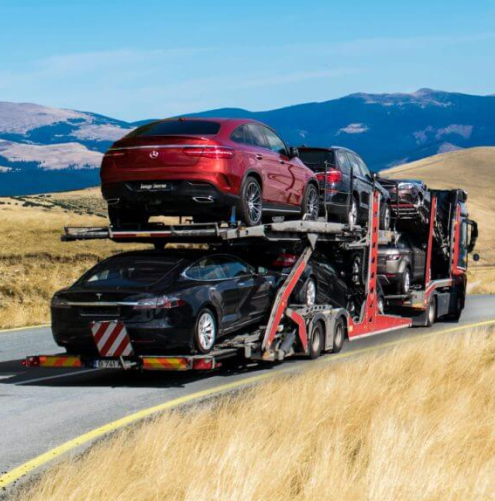
Open auto transport uses open-air trailers that carry multiple vehicles at once, leaving your car exposed to weather and road elements. It’s the most common and affordable option, costing significantly less than enclosed transport.
Enclosed auto transport ships your vehicle in a fully covered trailer, protecting it from weather, dust, and debris. This premium service typically costs 40-60% more than open transport.
Which should you choose for LA to Miami? Most customers select open transport—it’s safe, reliable, and the same method dealerships use to ship new cars. Choose enclosed transport if you’re shipping a luxury vehicle, classic car, exotic sports car, or any vehicle worth over $100,000.
For more details on making the right choice, check out our open vs enclosed auto transport guide.
Yes, we offer door-to-door auto transport service from Los Angeles to Miami.
Door-to-door shipping means our carrier will pick up your vehicle at your home or business in Los Angeles and deliver it directly to your address in Miami. This is our standard service and the most convenient option for most customers.
In some cases, large car carriers cannot access certain residential streets due to low-hanging trees, narrow roads, or tight turns. If your location has these restrictions, our driver will contact you to arrange a nearby meeting spot, such as a shopping center or major intersection. This happens in less than 10% of shipments.
When you book with Sherpa Auto Transport, we’ll confirm both your pickup and delivery addresses upfront. Our team will let you know right away if there are any access concerns for your specific LA or Miami locations.
Many Auto Transport companies try to tease customers with lower rates, only to surprise you with “hidden costs” later. At Sherpa Auto Transport, we do things differently. We provide one locked-in price upfront and stick to it. If unexpected costs arise, we pay them out of our own pocket.
While we may not always be the cheapest option at first glance, our commitment to transparency and reliability offers exceptional value. As a premium service, we ensure an stress-free experience from start to finish.
We transport sedans, SUVs, pickup trucks, vans and motorcycles across the nation, including service to Alaska and Hawaii. At this time, we do not service boats, golf carts, ATVs, or RVs. We can ship both operable and inoperable vehicles so long as the vehicle can roll, brake, and steer, and that you can provide the carrier with a key to the vehicle. We can also ship electric vehicles.
Visit Sherpa’s FAQ page to learn more about car shipping!
Welcome to Miami
Miami is a vibrant coastal city of over 470,000 residents, with the greater metropolitan area home to more than 6 million people. Known for its year-round sunshine, diverse cultural communities, and thriving business scene, Miami offers a unique blend of Latin American influence and American opportunity. The city serves as a major international gateway, creating a dynamic environment where multiple languages are spoken and cultures blend seamlessly in daily life.
Popular Neighborhoods
South Beach draws residents with its Art Deco architecture, walkable streets, and beachfront lifestyle, though it comes with higher costs. Coral Gables offers a more suburban feel with beautiful Mediterranean-style homes and excellent schools. Brickell serves as the financial district with modern high-rise living and urban amenities. For families, Kendall provides spacious homes and good schools at more affordable prices, while Coconut Grove combines historic charm with a laid-back, artsy atmosphere near the water.
Practical Moving Tips
Florida requires new residents to obtain a Florida driver’s license within 30 days of establishing residency. You’ll need to register your vehicle within 10 days of becoming a resident or starting employment. Visit your local DMV office with proof of identity, Social Security number, and two proofs of Florida residency. Your vehicle will need a VIN verification and Florida title transfer. Florida requires vehicle insurance with minimum coverage of $10,000 personal injury protection and $10,000 property damage liability. The state also requires annual vehicle registration renewals. If your car is financed, you’ll need a lien verification form. Consider scheduling your DMV appointment in advance, as wait times can be lengthy, especially in busy areas like Miami-Dade County.
Climate & Lifestyle
Miami enjoys a tropical climate with warm temperatures year-round, averaging 77°F annually. Expect hot, humid summers and mild, dry winters. The hurricane season runs from June through November, requiring preparation and potentially affecting driving conditions. The constant humidity and salt air can impact your vehicle, making regular washing and maintenance important to prevent rust and corrosion. The outdoor lifestyle means you’ll likely use your car for beach trips, outdoor dining, and year-round activities. Air conditioning is essential and will get heavy use.
Getting Around Miami
Having your own car is practically essential in Miami, as public transportation is limited outside downtown areas. Major highways include I-95, I-75, and the Palmetto Expressway (SR 826), which can experience heavy traffic during rush hours. The city’s sprawling layout means commutes can be lengthy, and many daily necessities require driving. While Miami has some walkable neighborhoods, most residents rely on personal vehicles for work, shopping, and recreation throughout the greater metropolitan area.