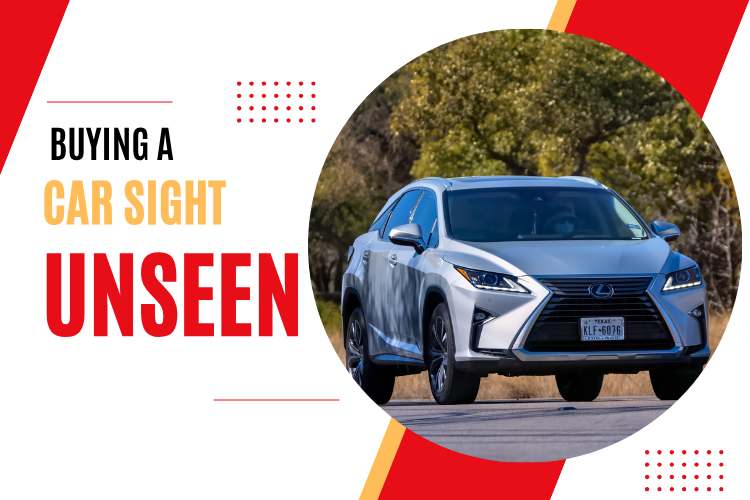
Buying a vehicle is already a major decision, but buying a car sight unseen adds another layer of risk and uncertainty. Whether you are relocating, shopping for a rare model, purchasing from an out-of-state dealership, or simply trying to find a better deal, there are times when you may need to commit to a vehicle without seeing it in person first.
In many cases, shoppers widen their search because local inventory is limited, especially for affordable used vehicles. Cox Automotive reported that U.S. dealers had 2.13 million used vehicles in inventory in February 2026, equal to 42 days of supply, while used cars priced below $15,000 had only 31 days of supply.
With fewer budget-friendly options available locally, more buyers are turning to nationwide online listings and remote purchases to find the right vehicle. Still, there are important precautions to take before you hand over your money.
Understanding what to know when buying a used car remotely can help you avoid scams, hidden damage, and expensive surprises later on. With the right used car buying tips, you can shop confidently and arrange reliable transportation to get your vehicle delivered safely to your doorstep.
Key Takeaways
- Buying a car sight unseen can save time and expand your vehicle options, especially when shopping nationwide.
- Always review the listing carefully, request detailed photos and videos, and ask the seller specific questions before purchasing.
- Vehicle history reports and third-party inspections are essential when evaluating a remote purchase.
- After finalizing the sale, professional auto transport companies like Sherpa Auto Transport can help ship your vehicle safely across the country.
In This Guide:
- What Does Buying a Car Sight Unseen Mean?
- Pros of Buying a Car Before Seeing it
- Potential Drawbacks of Buying a Car Sight Unseen
- How to Buy a Car Sight Unseen
- Bottom Line
- Buying a Car Sight Unseen FAQ
What Does Buying a Car Sight Unseen Mean?

Buying a car sight unseen means purchasing a vehicle without physically inspecting or test-driving it in person before completing the sale. This often happens when buyers shop online through dealerships, private sellers, auctions, or nationwide marketplaces. In many cases, the buyer relies on photos, videos, inspection reports, and conversations with the seller to evaluate the vehicle’s condition.
This process has become increasingly popular as online vehicle marketplaces continue to grow. According to Cox Automotive, digital retail tools have changed the way consumers shop for vehicles, allowing buyers to search inventory far beyond their local area.
Pros of Buying a Car Before Seeing it
Buying a vehicle remotely may sound risky at first, but there are several advantages when done carefully. Let’s have a look at them:
- Access to a larger inventory: You are no longer limited to local dealerships or sellers. Shopping nationwide increases your chances of finding the exact make, model, trim, or color you want.
- Potentially better pricing: Expanding your search area may help you find more competitive prices. Comparing values using resources like Sherpa’s Kelley Blue Book pricing guide can help you determine whether a vehicle is fairly priced.
- Convenience: Much of the buying process can be completed online from home, including financing applications, paperwork, and shipment arrangements.
- Access to specialty vehicles: Rare cars, collector models, and certain trims may only be available in specific regions or through online auctions. Buyers exploring nationwide marketplaces often compare listings on some of the best used car sites before making a decision.
- Useful for auction purchases: Online auto auctions continue to grow in popularity, especially for enthusiasts and bargain hunters browsing various car auction sites.
Potential Drawbacks of Buying a Car Sight Unseen

Despite the benefits, there are also significant risks involved when buying a vehicle remotely. Some of them are mentioned as follows:
- Hidden mechanical problems: Photos may not reveal engine issues, transmission problems, or suspension wear.
- Misleading listings: Some sellers may omit important details or use edited photos that do not accurately represent the vehicle’s condition.
- Scam risks: Fake listings, title fraud, and payment scams are common concerns in online vehicle sales. The Federal Trade Commission warns buyers to be cautious of sellers who pressure buyers into quick payments or refuse inspections.
- No test drive: Without driving the car yourself, it can be difficult to assess comfort, handling, braking, and overall performance.
- Transportation costs: Shipping a vehicle adds another expense to the purchase process, especially for long-distance transactions.
How to Buy a Car Sight Unseen
Buying a vehicle remotely requires extra research and careful planning. Following a structured process can help reduce risks and improve your chances of getting exactly what you expect.
Read the Advertisement Carefully
Start by reviewing the listing thoroughly. Pay close attention to mileage, trim level, accident disclosures, ownership history, and maintenance details. Be cautious of vague descriptions or listings with very little information. If the asking price seems unusually low, compare the vehicle’s market value with pricing resources and similar listings. Reviewing trusted used car buying tips from industry sources can also help you identify red flags early in the process.
Examine Pictures
Carefully inspect every available image in the listing. Look for signs of dents, scratches, rust, mismatched paint, uneven body gaps, or interior wear. Ask the seller for additional high-resolution photos if necessary. Request pictures of:
- The odometer
- Tire tread
- VIN plate
- Engine bay
- Undercarriage
- Seats and dashboard
- Any visible damage
Experts at Consumer Reports recommend reviewing detailed photos and requesting documentation before purchasing a used vehicle remotely.
Ask the Right Questions to the Seller

Communication with the seller is critical. Ask detailed questions about the vehicle’s condition, maintenance history, accident repairs, and ownership. Important questions include:
- Has the vehicle ever been in an accident?
- Are there any mechanical issues?
- Why are you selling the car?
- Do all features and electronics work properly?
- Is there existing warranty coverage?
- Can you provide service records?
A trustworthy seller should answer questions clearly and willingly provide additional information, this adds to the credibility of the seller.
Perform History Check
A vehicle history report can reveal accidents, title issues, flood damage, mileage discrepancies, and service history. Services such as CARFAX and AutoCheck are commonly used for this purpose. According to the National Insurance Crime Bureau, buyers should verify a vehicle’s VIN and check for title problems before purchasing a used vehicle online. If you are shopping for dependable long-term ownership, researching the most reliable used car brands can help narrow down safer choices.
Organize Inspection
One of the most important used car buying tips is to arrange an independent inspection before finalizing the purchase. Hire a trusted mechanic or third-party inspection service near the seller’s location. A professional inspection can identify:
- Engine or transmission issues
- Accident repairs
- Rust or flood damage
- Brake and suspension wear
- Tire condition
- Fluid leaks
The American Automobile Association (AAA) recommends pre-purchase inspections to help buyers avoid unexpected repair costs.
Determine Method of Payment
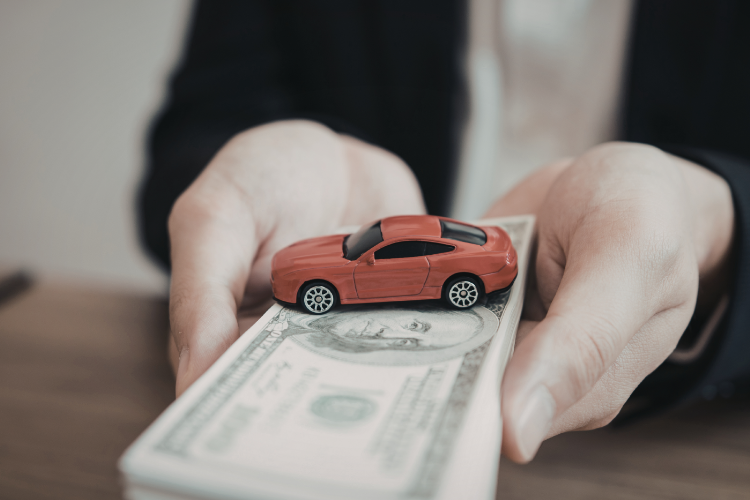
Choosing a secure payment method is essential when buying a car sight unseen. Avoid wire transfers to unknown sellers or payment requests through unverified apps. Safer options include:
- Escrow services
- Certified checks
- Financing through reputable lenders
- Credit union transactions
- Secure dealership payment portals
Always verify ownership documents and ensure the title is legitimate before sending payment.
Arrange Shipment
Once the sale is complete, the next step is transporting the vehicle safely to your location. Professional auto transport companies can simplify the process and help protect your investment during transit. Depending on distance and budget, buyers may choose open or enclosed transport. Some buyers also explore alternatives like shipping a car by train when researching transportation options. Working with an experienced carrier ensures better communication, insurance coverage, and delivery tracking throughout the process.
Bottom Line
Buying a car sight unseen can feel intimidating, but careful research and preparation can make the process much safer. Reviewing listings closely, requesting detailed photos and videos, checking vehicle history reports, arranging inspections, and using secure payment methods are all essential steps when purchasing remotely.
Once you find the right vehicle, Sherpa Auto Transport can help deliver it safely to your door. Sherpa is known for excellent customer service, strong customer reviews, and its Price Lock Promise®, which helps protect customers from unexpected price increases after booking. Whether you are purchasing from a dealership, private seller, or auction site across the country, reliable shipping support can make buying a car sight unseen far less stressful.
Buying a Car Sight Unseen FAQ
How can I avoid scams when buying a car online?
Always verify the seller’s identity, avoid rushed payment requests, and arrange an independent inspection before sending money. Reviewing common warning signs and protective measures in Sherpa’s guide to avoiding car shipping scams can also help you stay protected.
Should I ask for a video walkaround of the car?
Yes. A video walkaround gives you a better sense of the vehicle’s actual condition and can reveal flaws that photos may hide. It also helps confirm that the seller has physical access to the vehicle.
What payment methods are safest for remote car purchases?
Escrow services, certified checks, and secure dealership payment systems are generally the safest options. Avoid direct wire transfers to private individuals unless you have fully verified the transaction.
What documents should I receive before finalizing the purchase?
You should receive the vehicle title, bill of sale, odometer disclosure, maintenance records, warranty information if applicable, and any inspection reports before completing the transaction.