
Buying a vehicle is a major financial decision, and shopping for a used car can feel even more complicated. Unlike a brand-new vehicle, a used car comes with unknowns about maintenance history, wear and tear, and long-term reliability.
At the same time, rising vehicle prices and limited inventory have pushed many buyers toward the used market, where there are more affordable options and a wider selection of makes and models. New car prices hover near $49,000 while used cars average around $25,000, but the real cost difference is shaped by financing rates, insurance, and depreciation.
Still, finding the right vehicle takes research and patience. A lower sticker price does not always mean better value, especially if the car has hidden mechanical issues or expensive upcoming repairs. That is why understanding what to know when buying a used car is so important. From comparing prices and checking vehicle history reports to scheduling inspections and negotiating confidently, the right approach can help you avoid costly mistakes and find a reliable vehicle that fits your lifestyle and budget.
Key Takeaways
- Set a realistic budget that includes taxes, insurance, maintenance, and registration costs in addition to the purchase price.
- Always research a vehicle’s reliability, ownership history, and market value before making an offer.
- A pre-purchase inspection and thorough test drive can help uncover hidden issues before you commit.
- Expanding your search online may help you find better deals, and professional auto transport can simplify long-distance purchases.
In This Guide:
- Is a Used Car a Good Investment?
- Things to Consider Before Buying a Used Car
- How to Buy a Used Car
- Bottom Line
- Buying a Used Car FAQ
Is a Used Car a Good Investment?

For many drivers, buying used is one of the smartest ways to save money on a vehicle. New cars lose value quickly during the first few years of ownership, while used vehicles have already gone through the steepest depreciation.
That means buyers can often get more features, better trims, or larger vehicles for the same price as a basic new model. A well-maintained used car can also provide years of dependable transportation at a significantly lower monthly cost.
The key is choosing the right vehicle. Reliability ratings, ownership costs, and maintenance history matter far more in the used market. Vehicles from brands known for long-term dependability often retain value better and require fewer major repairs over time. If you are comparing brands, learning about the most reliable used car brands can help narrow your options and reduce long-term ownership costs.
Things to Consider Before Buying a Used Car
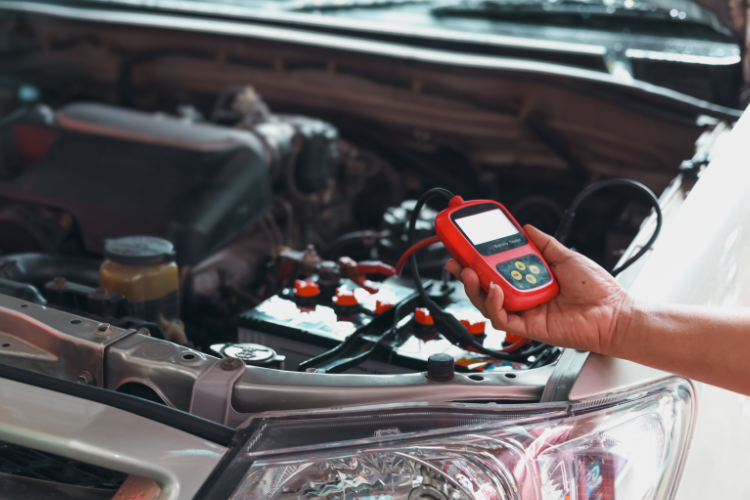
Before shopping for a vehicle, take time to evaluate your needs and priorities. Buying the wrong type of car can lead to higher fuel costs, expensive repairs, or limited practicality for your lifestyle. Some important factors to consider include:
- Your total budget, including taxes, registration, and insurance
- Fuel efficiency and expected maintenance costs
- Vehicle reliability ratings and owner reviews
- Mileage and overall condition
- Vehicle history reports and accident records
- Features you actually need versus optional upgrades
- Financing options and loan interest rates
- Whether you want to buy from a dealership or a private seller
- Availability of replacement parts and service centers
- Resale value if you plan to sell or trade in later
Thinking through these details early can make the entire shopping process more manageable and help you focus on vehicles that truly fit your needs.
How to Buy a Used Car

Buying a used vehicle is easier when you break the process into clear steps. From setting a budget to signing the paperwork, each stage helps reduce risk and improve your chances of finding a dependable car at a fair price.
Determine Budget
Your budget should go beyond the sticker price of the vehicle. Buyers often focus only on monthly payments, but ownership costs can add up quickly. Sales tax, registration fees, insurance premiums, fuel costs, and future maintenance should all factor into your decision. Financial experts generally recommend keeping total vehicle expenses within a manageable percentage of your monthly income.
It also helps to leave room in your budget for immediate repairs or upgrades. Even reliable used vehicles may need new tires, brakes, or battery replacements shortly after purchase. Planning for those costs upfront can prevent financial stress later.
Establish Finances
Getting your finances organized before shopping gives you more control during negotiations. Buyers who secure financing ahead of time often avoid higher dealership interest rates and can focus on the actual vehicle price instead of monthly payment discussions.
Check your credit score and compare loan offers from banks, credit unions, and online lenders. A pre-approved loan can also help you understand exactly how much you can afford. If you plan to trade in your current vehicle, researching its estimated value ahead of time can strengthen your negotiating position. Understanding vehicle pricing tools and market comparisons is especially helpful when evaluating whether a seller’s asking price is reasonable.
Consider Online or Dealerships

Both online marketplaces and dealerships have advantages. Dealerships may offer certified pre-owned programs, financing assistance, and limited warranties, while online platforms can provide a much larger selection of vehicles across different regions.
Shopping online has become increasingly common because buyers can compare prices, vehicle histories, and inventory without visiting multiple lots. The best used car sites help you identify reputable platforms and compare listings more efficiently. Some buyers also explore car auction sites to potentially find lower-priced vehicles, although auctions usually carry more risk and require additional research.
Research Cars
Research is one of the most important parts of the used car buying guide process. Start by narrowing your choices based on your needs, whether that means fuel efficiency, cargo space, towing capacity, or family-friendly safety features.
Once you identify a few models, review reliability ratings, ownership costs, recall history, and customer reviews. Organizations like the National Highway Traffic Safety Administration provide valuable reliability and safety data. Pay close attention to common repair issues and maintenance costs, especially for older vehicles with higher mileage.
Find Available Cars
After narrowing your options, begin comparing listings from dealerships, online marketplaces, and private sellers. Take your time reviewing photos, descriptions, and vehicle history reports. If the price seems significantly lower than similar listings, it may indicate hidden issues or accident damage.
Expanding your search beyond your local area can sometimes lead to better deals or access to hard-to-find models. If you purchase a vehicle from another state, professional auto transport can make the process much easier and safer than driving the vehicle home yourself.
Test Drive Car

A test drive reveals far more than photos or online listings ever can. Drive the vehicle in different conditions if possible, including city streets, highways, and parking lots. Pay attention to braking, steering response, acceleration, suspension comfort, and unusual noises.
Check all major features during the drive, including air conditioning, infotainment systems, windows, and backup cameras. A vehicle that feels uncomfortable or difficult to drive during a short test drive will likely become more frustrating over time.
Get Preinspection
One of the most valuable used car buying tips is to always schedule an independent inspection before finalizing the purchase. Even if the car looks clean and drives well, hidden problems may not be obvious to the average buyer.
A trusted mechanic can identify issues like frame damage, engine leaks, transmission wear, or signs of flood damage. Spending a small amount on an inspection can potentially save thousands of dollars in unexpected repairs later. Many experts consider a pre-purchase inspection essential when buying from private sellers.
Negotiate Price
Negotiation is a normal part of the used car buying process. Sellers often expect buyers to negotiate, especially in private-party sales. Researching comparable listings and market values beforehand gives you leverage during discussions.
Stay focused on the total purchase price rather than monthly payments. Pointing out maintenance needs, cosmetic flaws, or outdated tires can also help justify a lower offer. Remaining patient and willing to walk away often leads to better deals.
Sign Paperwork
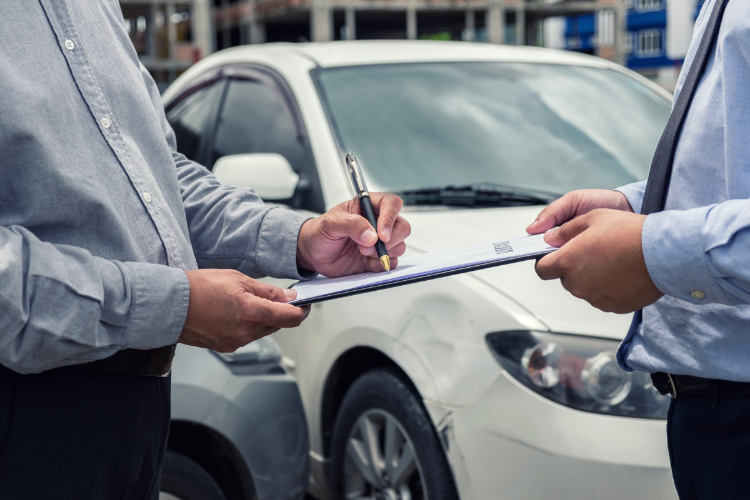
Before signing any documents, carefully review every detail of the agreement. Make sure the final price, fees, warranties, financing terms, and vehicle information match what you discussed. Ask questions if anything seems unclear.
If buying from a private seller, verify that the title is legitimate and free of liens. You should also confirm state-specific requirements for registration and ownership transfers. Keeping copies of all paperwork can protect you if issues arise later.
Bottom Line
Buying a used vehicle takes time, research, and careful planning, but the effort can pay off with significant savings and long-term value. Following a structured used car buying guide helps you avoid common mistakes and makes it easier to find a dependable vehicle that fits your needs and budget. From researching reliability and pricing to scheduling inspections and negotiating fairly, every step matters when making a confident purchase decision.
If you find the perfect car outside your local area, professional shipping can make the process far more convenient. Sherpa Auto Transport helps customers move vehicles nationwide with exceptional customer service, transparent pricing, and the protection of its Price Lock Promise®. With thousands of positive customer reviews and a reputation for reliable delivery, Sherpa makes long-distance used car purchases simpler and less stressful.
Buying a Used Car FAQ
What is the most reliable car brand?
Brands like Toyota, Lexus, Honda, and Mazda consistently rank among the most dependable options for long-term ownership. If you are comparing models, Sherpa Auto Transport’s guide to the most reliable used car brands can help you narrow your search.
How much should I budget beyond the purchase price?
Experts generally recommend budgeting an additional 10% to 15% beyond the vehicle price for taxes, registration, insurance, inspections, and immediate maintenance needs. Older vehicles may also require repairs sooner than newer models.
What's the best state to buy a used car?
The best state often depends on pricing, inventory availability, taxes, and climate conditions that affect vehicle wear. Comparing regional prices and demand can help you find better deals, especially when reviewing the cheapest states to buy a car in the U.S. through Sherpa Auto Transport’s state-by-state guide.
How do I know when it's time for a new car?
Frequent breakdowns, rising repair costs, declining fuel efficiency, and outdated safety features are all signs it may be time to replace your current vehicle. Timing your purchase strategically can also help you save money, which is why many buyers research the best time to buy a new car before shopping.